
DIY Mold Removal Risks in Merritt Island: What Merritt Island Property Owners Should Know
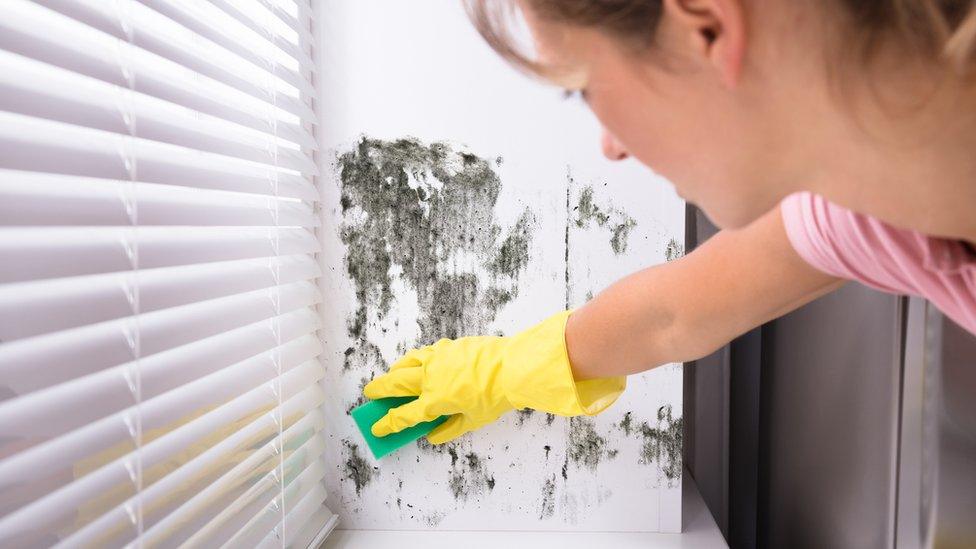
When mold shows up in a Merritt Island home, the instinct is understandable: grab bleach, scrub hard, and make it disappear. DIY mold removal feels fast, affordable, and empowering. Unfortunately, in Florida’s humid coastal environment, DIY mold cleanup often makes the problem worse—sometimes far worse.
Between hidden moisture, porous building materials, and airborne spores, many well-meaning homeowners unknowingly spread mold, damage their homes, and create health risks by trying to handle it themselves. Understanding the real risks of DIY mold removal can save you money, protect your health, and prevent long-term damage.
This guide explains exactly what Merritt Island property owners should know before attempting DIY mold cleanup.
🌴 Why DIY Mold Removal Is Especially Risky in Merritt Island
Merritt Island’s environment stacks the deck against DIY mold work.
Local factors that increase risk include:
- High year-round humidity
- Salt air slowing drying
- Frequent storms and heavy rain
- Slab foundations trapping moisture
- Long AC seasons creating condensation
- Hidden moisture behind walls and floors
Even when mold looks minor, the moisture feeding it often isn’t.
🦠 Mold Grows Deeper Than You Can See
One of the biggest DIY mistakes is assuming mold is only on the surface.
In reality:
- Mold roots grow into drywall, wood, insulation, and subfloors
- Visible spots are often just the “tip of the iceberg”
- Scrubbing the surface does not remove the root system
- Mold often returns within days or weeks
If mold keeps coming back after cleaning, the moisture source was never addressed.
🧪 Why Bleach Is a Common—but Dangerous—Mistake
Bleach is one of the most misunderstood tools in mold cleanup.
What bleach does:
- Removes surface staining
- Makes mold look gone
What bleach does NOT do:
- Penetrate drywall, wood, or insulation
- Kill mold roots in porous materials
- Stop moisture that feeds mold
Even worse, bleach adds moisture—exactly what mold needs to regrow.
🌬️ DIY Cleaning Can Spread Mold Spores
Improper cleaning often turns a small problem into a house-wide one.
DIY cleanup risks include:
- Releasing spores into the air
- Spreading mold through HVAC systems
- Contaminating other rooms
- Increasing overall indoor mold levels
Without containment and proper filtration, wiping or scrubbing mold can spread spores far beyond the original area.
⚠️ Health Risks of DIY Mold Removal
Mold exposure increases dramatically during improper cleanup.
Potential health effects include:
- Coughing and throat irritation
- Sinus congestion and headaches
- Eye and skin irritation
- Worsening asthma or allergies
- Fatigue and breathing discomfort
Most homeowners lack proper protective gear, making exposure much higher during DIY attempts.
🧱 Hidden Mold Is the Real Danger
In Merritt Island homes, mold is often not where you see it.
Common hidden locations include:
- Behind drywall
- Under flooring
- Inside cabinets
- In HVAC systems and ductwork
- In attics and crawl spaces
DIY cleaning usually treats only visible mold—while hidden colonies continue to grow.
🧽 When DIY Mold Cleanup Might Be Acceptable
There are limited situations where DIY cleanup can be safe.
DIY may be reasonable if:
- Mold is very small (typically under a few square feet)
- Growth is on non-porous surfaces (tile, glass, metal)
- No musty odors are present
- No leaks or moisture issues exist
- Proper protective gear is used
Even then, moisture control is essential—or mold will return.
🛑 When DIY Mold Removal Is a Bad Idea
DIY mold removal is not recommended when:
- Mold keeps coming back
- Musty odors persist
- Mold is on drywall, wood, or insulation
- Flooring is warped or soft
- HVAC systems are involved
- Flooding or storm damage occurred
- Health symptoms worsen indoors
These situations almost always require professional assessment and remediation.
🧾 DIY Cleanup Can Affect Insurance & Liability
Another overlooked risk: documentation and insurance issues.
DIY cleanup can:
- Destroy evidence needed for insurance claims
- Make it harder to prove cause of damage
- Be seen as improper mitigation
- Create disputes during property sales or rentals
In rental or resale situations, DIY mold work without documentation can become a serious liability.
🌊 Why Mold Comes Back After DIY Cleanup
In Merritt Island, mold recurrence is common after DIY attempts because:
- Humidity remains high
- Moisture sources aren’t fixed
- Porous materials stay contaminated
- Salt air slows drying
- Hidden mold is untouched
Cleaning without moisture control is temporary at best.
🛠️ What Professional Mold Remediation Does Differently
Professional remediation focuses on the cause, not just the symptoms.
Professionals typically:
- Identify and fix moisture sources
- Use containment to prevent spore spread
- Remove contaminated materials safely
- Dry affected areas thoroughly
- Protect indoor air quality
- Document the process properly
This is why professional remediation is far more effective long-term.
📉 How DIY Mold Mistakes Increase Costs
DIY mold removal often seems cheaper—but frequently costs more later.
Common outcomes include:
- Larger mold spread
- Repeated cleaning attempts
- Structural damage
- Higher remediation costs
- Failed inspections
- Reduced property value
What starts as a small issue can become a major repair.
✅ Final Takeaway for Merritt Island Property Owners
DIY mold removal in Merritt Island is high-risk and often ineffective.
Before you scrub:
✔ Understand that mold grows deeper than it looks
✔ Know that bleach is not a real solution
✔ Recognize the health risks
✔ Consider hidden moisture and mold
✔ Avoid spreading spores
✔ Protect insurance and property value
In Florida’s coastal climate, fixing moisture is far more important than cleaning mold.
