
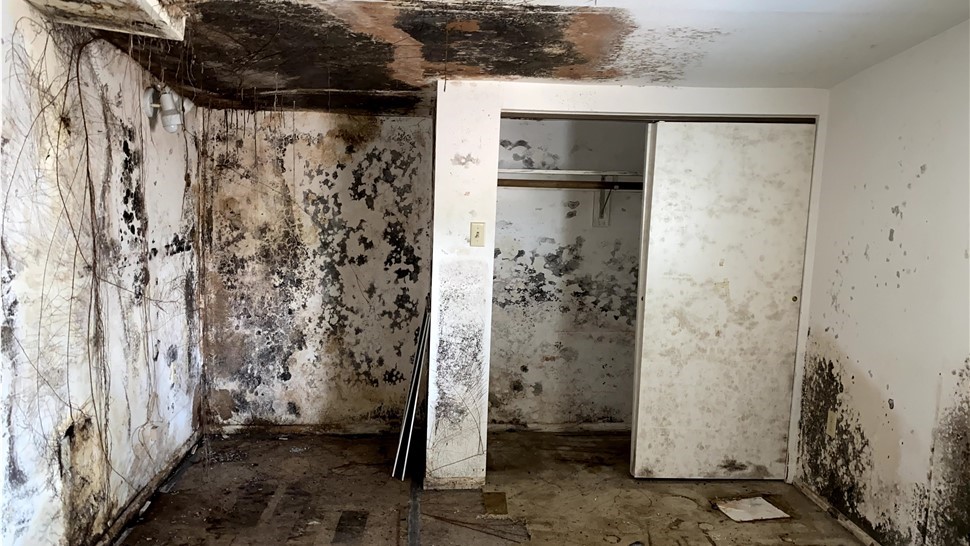
Coastal Humidity Mold Issues in South Merritt Island: What Merritt Island Property Owners Should Know
Coastal humidity is a year-round reality in South Merritt Island, and it plays a major role in persistent mold problems for homes, rentals, and waterfront properties. Unlike mold caused by a single leak or flood, humidity-driven mold develops slowly and quietly—often spreading long before property owners realize there’s an issue.
For Merritt Island property owners, understanding how coastal humidity fuels mold growth—and where problems usually begin—is critical for protecting indoor air quality, property value, and long-term structural integrity.
🧠 Why Coastal Humidity Causes Mold Problems in South Merritt Island
Humidity isn’t just uncomfortable—it’s the primary fuel for mold.
🌊 Constant Moisture in the Air
South Merritt Island experiences high humidity nearly every day of the year. Moist coastal air continuously enters homes through:
- Doors and windows
- Ventilation systems
- Small gaps in exterior walls
When that humid air meets cool, air-conditioned interiors, condensation forms—often inside walls, ceilings, and HVAC systems.
❄️ Air Conditioning + Humidity = Condensation
Air conditioning removes heat, not moisture. In humid coastal environments, AC systems can actually contribute to mold by:
- Creating cold surfaces that attract condensation
- Leaving moisture in ductwork and air handlers
- Allowing humidity to linger if systems are oversized or poorly maintained
This creates ideal conditions for mold growth—even without leaks.
🏠 Homes Designed for Inland Climates
Many South Merritt Island homes weren’t designed for constant coastal humidity. Common issues include:
- Inadequate ventilation
- Poor vapor barriers
- Older insulation and building materials
These factors allow moisture to become trapped indoors.
📈 Why Humidity-Driven Mold Is a Serious Issue
Humidity-related mold problems often go unnoticed until they’re widespread.
😷 Indoor Air Quality & Health Concerns
Mold fueled by humidity can release spores throughout the home, contributing to:
- Chronic coughing or congestion
- Headaches and fatigue
- Allergy or asthma flare-ups
- Persistent musty odors
Symptoms often worsen indoors and improve when occupants leave.
🏚 Hidden Structural Damage
Humidity allows mold to grow in concealed areas such as:
- Behind drywall
- Under flooring
- Inside HVAC systems and ductwork
- In attics and crawl spaces
By the time mold becomes visible, damage is often extensive.
📉 Property Value & Rental Impact
Humidity-driven mold frequently leads to:
- Failed inspections
- Tenant complaints or turnover
- Delayed home sales
- Higher maintenance and remediation costs
Prevention is far less expensive than repair.
🔍 Common Areas Affected by Coastal Humidity Mold
Property owners in South Merritt Island should monitor:
- Exterior-facing walls
- Bathrooms and kitchens
- HVAC systems and air ducts
- Attics with poor ventilation
- Crawl spaces and slab edges
- Closets and enclosed rooms
These spaces trap moisture and often show mold first.
🧪 How Humidity-Related Mold Is Identified
Because humidity mold is often hidden, professional evaluation is important.
🔎 Mold Inspection
A thorough inspection may include:
- Moisture readings in walls and floors
- HVAC system evaluation
- Attic and crawl space checks
- Identification of condensation patterns
🧫 Mold Testing
Testing may involve:
- Air sampling to measure airborne spores
- Surface sampling in high-humidity areas
Results help determine severity and guide remediation decisions.
🧼 Addressing Mold Caused by Coastal Humidity
Effective treatment requires controlling both mold and moisture.
🧰 Professional Remediation May Include:
- Containment to prevent spore spread
- Removal of contaminated materials
- HEPA air filtration
- Antimicrobial cleaning
- HVAC moisture corrections
- Long-term humidity control solutions
Without reducing indoor humidity, mold often returns.
🛠 Preventing Coastal Humidity Mold in South Merritt Island Homes
Prevention is the most effective strategy.
✅ Control Indoor Humidity
- Maintain 30–50% indoor humidity
- Use whole-home or portable dehumidifiers
- Monitor humidity with digital hygrometers
✅ Optimize HVAC Performance
- Ensure systems are properly sized
- Clean condensate lines and drain pans
- Replace filters regularly
✅ Improve Ventilation
- Vent bathrooms and kitchens outdoors
- Ensure attic ventilation is adequate
- Avoid sealing moisture inside the home
✅ Inspect Regularly
Routine inspections—especially during humid seasons—help catch problems early.
🧪 Coastal Humidity Mold vs. Leak-Related Mold
- Humidity mold develops slowly and spreads widely
- Leak-related mold is often localized and event-driven
Because humidity is constant in coastal areas, ongoing prevention is essential.
🧑🔧 Final Thoughts: Humidity Is the Hidden Enemy
In South Merritt Island, coastal humidity is unavoidable—but serious mold damage doesn’t have to be.
For Merritt Island property owners, remember:
- Coastal humidity fuels mold year-round
- Mold often grows without leaks or floods
- Hidden areas are most at risk
- Humidity control is the key to prevention
Managing moisture proactively protects your home, your investment, and the health of everyone inside.
