
Coastal Humidity Mold Issues in Indian River: What Merritt Island Property Owners Should Know
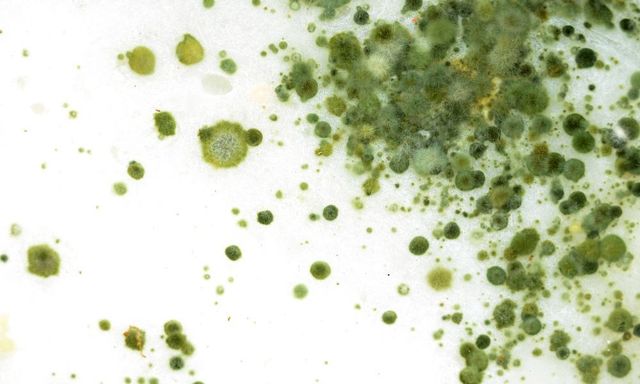
Homes near the Indian River experience some of the highest and most persistent humidity levels on Merritt Island. While coastal living offers beautiful views and cooling breezes, it also creates ongoing moisture pressure inside homes that many property owners underestimate. Unlike sudden leaks or flooding, coastal humidity works quietly — building up day after day until mold begins growing in hidden areas.
For Merritt Island property owners near the Indian River, mold problems are rarely the result of neglect. They are far more often caused by constant moisture in the air, slow drying conditions, and how homes interact with humid coastal environments.
Why Coastal Humidity Is a Bigger Mold Problem Near the Indian River
Humidity near the Indian River behaves differently than inland moisture.
- Warm, moisture-heavy air from the lagoon
- Little overnight drying compared to inland areas
- High water tables increasing ground moisture
- Constant evaporation from surrounding waterways
- Salt-influenced air that slows evaporation
- Year-round air conditioning use
Even when there’s no visible water intrusion, indoor moisture levels often remain high enough for mold to grow.
How Coastal Humidity Leads to Mold Growth
Mold doesn’t require standing water. It only needs persistent moisture.
In Indian River homes:
- Humid air enters the home daily
- Moisture settles on cooler surfaces
- Walls, floors, and insulation absorb humidity
- Limited airflow prevents full drying
- Damp conditions remain for long periods
- Mold begins growing out of sight
This process happens slowly — which is why humidity-driven mold is often discovered late.
Common Areas Affected by Humidity-Driven Mold
Coastal humidity impacts the entire structure, but mold shows up most often in specific areas.
Under flooring
Tile, vinyl, and laminate trap moisture against slab foundations.
Lower walls and baseboards
Moisture vapor rises from slabs and concentrates near floor lines.
HVAC systems
Condensation forms inside air handlers and ductwork when humidity is high.
Bathrooms and kitchens
Daily steam combines with coastal humidity to slow drying.
Behind cabinets and vanities
Restricted airflow traps damp air against exterior walls.
Attics
Warm, humid air condenses on roof decking when ventilation is insufficient.
Why Indian River Homes Dry Slower
Many property owners assume opening windows will help.
Near the Indian River:
- Outdoor air is already saturated
- Ventilation brings in more moisture
- Evaporation slows instead of improving
This is why homes can feel damp even with good airflow.
Early Signs of Coastal Humidity Mold Problems
Humidity-driven mold often gives subtle warnings.
- Musty odors without visible mold
- Surfaces that feel slightly damp
- Mold that returns after cleaning
- Peeling paint or soft caulking
- Condensation around vents and windows
- Odors worsening during humid or rainy periods
These signs usually point to airborne moisture, not isolated leaks.
Why Mold Keeps Returning in Humid Coastal Homes
Recurring mold is extremely common near the Indian River.
Typical causes include:
- Indoor humidity staying too high
- Slab moisture adding to airborne moisture
- HVAC systems not dehumidifying effectively
- Flooring trapping moisture underneath
- Salt air slowing evaporation
Without addressing humidity itself, mold removal becomes temporary.
DIY Mold Cleaning and Humidity Issues
Cleaning visible mold does not fix humidity-driven growth.
DIY efforts fail because:
- Moisture remains in the air and materials
- Mold continues growing behind surfaces
- Bleach doesn’t affect hidden mold
- Spores spread during scrubbing
- Mold returns quickly
In Indian River homes, repeated DIY cleaning often leads to larger remediation needs later.
Mold Cleanup vs. Mold Remediation for Humidity Problems
This distinction matters even more in coastal environments.
Cleanup
- Removes visible mold
- No humidity correction
- No moisture source control
- Mold returns
Remediation
- Identifies hidden mold
- Uses containment when needed
- Removes affected materials
- Addresses humidity and moisture balance
- Focuses on long-term prevention
Humidity-driven mold almost always requires true remediation, not surface cleaning.
How Professionals Identify Humidity-Related Mold
Professional inspections focus on moisture behavior, not just visible growth.
They often include:
- Indoor humidity monitoring
- Moisture readings in slabs and walls
- HVAC condensation assessment
- Ventilation and airflow evaluation
- Identification of coastal moisture patterns
Mold Removal Merritt Island frequently finds Indian River mold issues tied to persistent humidity, not plumbing failures.
Coastal Humidity, HVAC Systems, and Mold
HVAC systems play a central role in humidity control.
- High humidity increases condensation
- Drain pans and coils stay wet longer
- Mold develops inside air handlers and ducts
- Odors circulate throughout the home
When humidity isn’t balanced, HVAC systems become mold distribution pathways.
Preventing Mold in Indian River Coastal Homes
Prevention focuses on controlling moisture in the air.
- Maintain steady indoor temperatures
- Avoid turning AC off for long periods
- Monitor indoor humidity levels
- Keep HVAC systems properly maintained
- Address slab moisture issues early
- Inspect flooring and walls after storms
- Schedule inspections when odors persist
Consistency matters more than short-term fixes.
Why Local Indian River Experience Matters
Humidity-driven mold behaves differently near waterways. Local experience matters because professionals understand:
- Lagoon-driven humidity cycles
- High water table effects on slab homes
- Salt air’s role in moisture retention
- HVAC challenges unique to coastal properties
- Construction styles common near the Indian River
Mold Removal Merritt Island applies this local knowledge to identify humidity-related mold accurately and prevent repeat problems.
A Practical Takeaway for Property Owners
Coastal humidity mold issues in Indian River homes aren’t rare — they’re a predictable result of living near the water. The biggest mistake property owners make is treating mold as a surface issue instead of an airborne moisture problem.
For Merritt Island property owners, early inspection, proper remediation, and consistent humidity management are the most effective ways to control mold, protect indoor comfort, and preserve long-term property value in a coastal environment where moisture is always present.
