
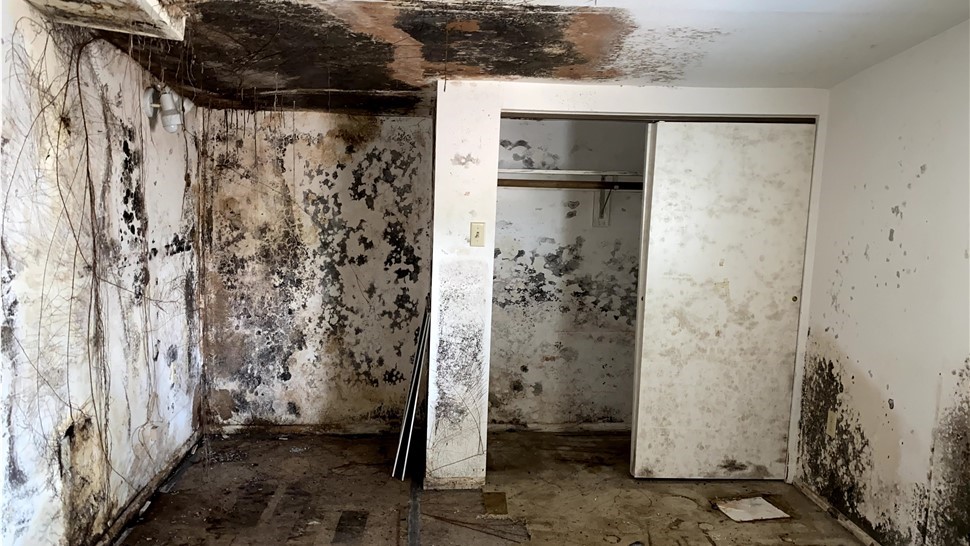
Black Mold in South Merritt Island: What Merritt Island Property Owners Should Know
Black mold is one of the most talked-about — and most misunderstood — mold issues facing homeowners in South Merritt Island. Living near the Banana River and Indian River means constant humidity, salt air, and frequent storms, all of which create ideal conditions for mold growth. When dark or black-colored mold appears, it often raises immediate concern, but understanding what it really means is the key to responding correctly.
For Merritt Island property owners, black mold is not a mystery or a special category of mold that behaves differently from all others. It is a moisture-driven issue that follows the same rules as any other mold problem in a coastal environment. Knowing where it forms, why it appears, and how it should be handled helps homeowners avoid panic, delays, and repeat problems.
What “Black Mold” Actually Means
The term “black mold” is commonly used to describe mold that appears dark green or black on surfaces. In reality, many different types of mold can look black depending on lighting, surface material, and growth stage.
Color alone does not tell the full story. What matters is whether mold is actively growing and what moisture conditions are supporting it. In South Merritt Island, dark-colored mold often develops because humidity remains high for long periods, allowing mold to mature and darken over time.
The presence of black-colored mold almost always points to a persistent moisture issue rather than a sudden event.
Why Black Mold Is Common in South Merritt Island
South Merritt Island’s coastal setting keeps homes under constant moisture pressure. Even on sunny days, humidity remains elevated due to surrounding waterways and warm temperatures.
Common contributors include:
- Year-round humidity that never fully drops
- Slab foundations that transmit ground moisture
- Heavy air conditioning use that creates condensation
- Attics that trap humid air
- Salt air that accelerates material breakdown
- Storm-driven rain intrusion
When moisture lingers without proper drying, mold has time to grow thicker and darker, which is why black mold is often seen in homes near the water.
Black Mold Often Develops Without Obvious Leaks
One of the biggest misconceptions is that black mold only appears after flooding or major leaks. In South Merritt Island homes, black mold frequently develops without any obvious water damage.
Moisture can enter and remain through:
- Condensation inside HVAC systems
- Humid air trapped behind walls
- Vapor moving up through slab foundations
- Poorly ventilated bathrooms or closets
Because these conditions are subtle, mold may grow unnoticed for months before it becomes visible.
Common Places Black Mold Appears in Homes
Black mold in South Merritt Island is often found in predictable locations where moisture accumulates and airflow is limited.
Common areas include:
- Bathrooms with inadequate ventilation
- Around AC air handlers and vents
- Under sinks and behind cabinets
- Along baseboards and flooring edges
- Inside closets on exterior walls
- Attics and roof decking
These locations are not random. They reflect how moisture behaves in coastal homes.
Musty Odors and Visual Clues
Black mold often announces itself before it is seen. Musty or earthy odors are common early indicators, especially in enclosed spaces.
Homeowners may also notice:
- Dark staining on drywall or ceilings
- Discoloration around vents or windows
- Peeling paint or bubbling drywall
- Warped baseboards or flooring
These signs usually indicate ongoing moisture, not just surface contamination.
Why DIY Cleanup Is Risky With Black Mold
When black mold is discovered, many homeowners attempt to clean it immediately using household cleaners or bleach. While this may remove surface staining temporarily, it rarely solves the problem.
DIY cleanup often fails because:
- Moisture sources remain uncorrected
- Hidden mold behind walls is untouched
- Scrubbing spreads mold particles into the air
- Water-based cleaners add more moisture
- No containment prevents spread
In South Merritt Island’s humid climate, black mold almost always returns when moisture is not addressed.
Black Mold and Hidden Growth
Visible black mold is often only part of the issue. In many homes, visible growth represents the “tip of the iceberg.”
Hidden black mold commonly exists:
- Behind drywall
- Under flooring
- Inside HVAC systems
- Above ceilings
- Inside wall cavities
Addressing only what can be seen often leads to recurring problems in the same or nearby areas.
The Role of HVAC Systems
HVAC systems play a major role in black mold development. Air conditioners run almost constantly in South Merritt Island and produce continuous condensation.
If drain lines clog, drain pans crack, or insulation fails, moisture can escape into surrounding materials. Over time, this leads to dark mold growth near air handlers, vents, and ductwork.
Because HVAC systems circulate air throughout the home, mold in these areas can affect multiple rooms.
Slab Foundations and Floor-Level Mold
Most homes in South Merritt Island are built on slab foundations. After heavy rain or during high water table conditions, moisture migrates upward through concrete as vapor.
This raises humidity near floors and lower walls, leading to black mold along baseboards, under flooring, and inside closets.
Understanding slab-related moisture is critical to resolving black mold permanently.
How Black Mold Is Properly Addressed
Effective black mold removal focuses on moisture first. The process typically includes:
- Identifying and correcting moisture sources
- Containing affected areas to prevent spread
- Removing mold-affected materials when necessary
- Cleaning non-porous surfaces properly
- Drying and dehumidifying affected spaces
Without moisture correction, black mold removal is temporary at best.
Containment Matters
Containment is essential when dealing with black mold. Disturbing mold without containment allows particles to spread throughout the home, especially through HVAC systems.
Professional containment isolates the affected area and uses controlled airflow to keep contamination from spreading. This protects the rest of the home during remediation.
Drying Is Not Optional
After black mold removal, drying is critical. In coastal Florida, natural drying is rarely sufficient.
Professional dehumidification and air movement remove moisture from walls, floors, and ceilings. Drying continues until moisture readings confirm stable conditions.
Skipping this step almost guarantees mold will return.
Black Mold and Long-Term Home Damage
If left unaddressed, black mold can damage drywall, insulation, flooring, and framing over time. Moisture weakens materials and accelerates deterioration.
Repeated mold growth increases repair costs and complicates future renovations or home sales. Early action protects both the structure and the home’s value.
Prevention After Black Mold Removal
Preventing black mold requires ongoing moisture management. Practical steps include:
- Monitoring indoor humidity
- Maintaining HVAC drain systems
- Improving bathroom and closet ventilation
- Keeping storage off floors
- Inspecting attics and slab edges regularly
- Checking conditions after storms
Prevention focuses on keeping moisture below mold-supporting levels.
Why Local Experience Matters
Black mold in South Merritt Island behaves differently than mold in inland areas. Coastal humidity, slab foundations, salt air exposure, and storm patterns all influence how and where mold develops.
Local experience helps identify moisture patterns quickly and apply solutions that actually work in this environment. Mold Removal Merritt Island understands how black mold behaves in South Merritt Island homes and approaches each situation with local conditions in mind.
A Practical Takeaway for Property Owners
Black mold in South Merritt Island is not a reason for panic, but it is a clear signal that moisture is out of balance. Color alone is less important than understanding why mold is growing and how to stop it from returning.
The most effective approach is early evaluation, proper containment, thorough removal, and complete moisture control. Shortcuts and surface cleaning almost always lead to repeat problems.
For Merritt Island property owners facing black mold concerns, professional guidance brings clarity and long-term stability. Mold Removal Merritt Island helps homeowners move from uncertainty to durable solutions by addressing black mold at its source — moisture — using strategies grounded in real coastal conditions.
