
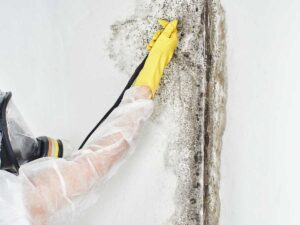
How Salt Air Can Contribute to Mold Growth in Merritt Island
Merritt Island’s coastal environment is a major draw for homeowners, but living near the Indian River, Banana River, and Sykes Creek comes with unique challenges. One often-overlooked factor in property maintenance is salt air. While it doesn’t directly grow mold, salt-laden air creates conditions that significantly increase the risk of mold growth in homes and commercial buildings. Understanding how this happens can help property owners protect their properties and maintain healthy indoor environments.
Understanding Salt Air and Its Effects
Salt air is a mixture of fine salt particles, moisture, and minerals carried by wind from nearby oceans, rivers, and lagoons. On Merritt Island, sea breezes and waterway proximity expose homes to this salty, humid environment constantly. Salt air can:
- Accelerate corrosion of metal surfaces and fasteners
- Deteriorate paint and protective coatings on walls, windows, and roofing
- Trap moisture on surfaces, especially when combined with high humidity
These effects may seem minor, but over time, they can compromise building materials and create ideal conditions for moisture retention — which is exactly what mold needs to thrive.
How Salt Air Encourages Moisture Retention
Salt particles in the air attract water from the atmosphere. This phenomenon, known as hygroscopic moisture absorption, means that surfaces in salt-rich environments stay damp longer than they would in inland areas. For Merritt Island properties:
- Wooden decks, window sills, and trim can absorb water, making them more susceptible to mold
- Exterior siding and roofing materials can trap moisture against walls or under shingles
- HVAC units exposed to salt air may develop condensation that promotes mold inside ducts
Even when visible water isn’t present, salt-laden moisture creates a thin, persistent layer of dampness that encourages mold spores to germinate.
Salt Air, Material Degradation, and Mold Risk
Salt doesn’t just attract moisture — it also weakens building materials over time. On Merritt Island, salt air can:
- Cause paint to peel or bubble, exposing wood or drywall to moisture
- Corrode metal fasteners and flashing, creating gaps for water intrusion
- Erode caulking and seals around windows, doors, and plumbing penetrations
These small breaches allow water to penetrate hidden areas like wall cavities, attics, and crawl spaces. Once water enters, mold can establish itself quickly, often in places that are difficult to inspect or remediate without professional help.
Coastal Humidity + Salt Air = Ideal Mold Conditions
Merritt Island’s environment combines salt air with high humidity, which amplifies mold risk. Coastal humidity keeps surfaces damp, while salt attracts and retains moisture. This combination means that:
- Mold can develop in attics and crawl spaces even without obvious leaks
- AC ducts, vents, and insulation are more likely to collect condensation and support mold growth
- Slab-on-grade foundations can absorb moisture from the high water table, further increasing indoor dampness
Homes that appear dry on the surface may still harbor hidden mold due to these subtle environmental factors.
Preventing Mold Growth in Salt-Air Environments
Property owners can reduce mold risk by addressing both moisture and salt exposure:
- Regular Maintenance: Inspect and repaint exterior walls, trim, and siding to maintain protective coatings.
- Seal and Protect: Replace deteriorating caulking and flashing to prevent water intrusion.
- Ventilation: Ensure attics, crawl spaces, and HVAC systems are well-ventilated to reduce condensation.
- HVAC Care: Keep AC units, ductwork, and condensate drains clean and free of moisture buildup.
- Drainage Management: Improve grading and drainage around slab foundations to prevent ground moisture from entering the home.
- Post-Storm Checks: Inspect for leaks or water entry points after hurricanes or heavy rains, especially around windows, doors, and roofs.
Proactive maintenance is essential for managing the combined effects of salt air and humidity on building materials and mold risk.
Why Local Expertise Matters
Mold influenced by salt air behaves differently than inland mold. Professionals familiar with Merritt Island understand:
- How salt-laden coastal humidity accelerates material wear and moisture retention
- Where hidden mold is likely to develop in attics, crawl spaces, and slab foundations
- How to remediate and prevent mold in a way tailored to the unique coastal environment
Local knowledge ensures inspections are accurate, remediation is effective, and prevention strategies are practical for the conditions of Merritt Island homes and commercial buildings.
A Calm, Informed Approach for Property Owners
Salt air is a subtle but significant contributor to mold risk in Merritt Island. While homeowners cannot eliminate salt exposure entirely, understanding its effects and taking proactive measures can prevent hidden moisture and mold growth.
Working with a local professional, such as Mold Removal Merritt Island, ensures that mold is addressed safely, moisture sources are corrected, and long-term protection strategies are implemented. Awareness, regular inspections, and proper maintenance are key to preserving your property in a coastal environment.
