
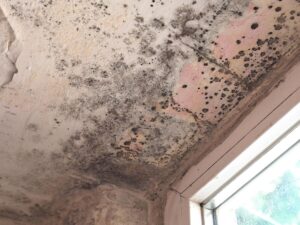
Coastal homes in Merritt Island are more prone to mold due to a combination of environmental, structural, and climate-related factors. Here’s a detailed breakdown:
1. High Humidity and Moisture Levels
Merritt Island is part of Florida’s Space Coast, which has a hot, humid climate year-round. Mold thrives in environments where the relative humidity is above 60%. Coastal homes are exposed to:
- Salt-laden air that can increase surface moisture.
- Frequent rain showers and tropical storms that saturate walls, roofs, and foundations.
- Morning dew and condensation, especially on windows, doors, and poorly ventilated areas.
2. Flooding and Water Intrusion
Being close to the Indian River Lagoon, Banana River, and the Atlantic Ocean:
- Coastal homes are at higher risk of flooding during storms or hurricanes, which can seep into basements, crawl spaces, and wall cavities.
- Even minor water intrusion from high tides or heavy rain can create the perfect environment for mold spores to grow.
3. Poor Ventilation in Coastal Construction
Many coastal homes are built to resist wind and storms, sometimes at the expense of proper ventilation. This can lead to:
- Trapped moisture in attics, crawl spaces, and wall voids.
- Limited airflow in bathrooms, kitchens, and laundry areas—common hotspots for mold growth.
4. Salt Air and Material Degradation
Salt in the air can:
- Cause corrosion in metal flashing and fasteners.
- Degrade seals around windows and doors.
- Lead to small leaks that allow water to enter, feeding mold growth.
5. Organic Materials in Coastal Homes
Many Merritt Island homes use wood framing, drywall, and natural insulation—materials that mold feeds on when wet. Combined with humidity, this makes mold growth almost inevitable if water isn’t properly managed.
6. Storm Damage and Delayed Drying
After hurricanes or tropical storms:
- Homes may experience roof leaks, window breaches, or foundation seepage.
- Without prompt water removal and drying, mold can start to develop in as little as 24–48 hours.
7. Hidden Mold Risks
Coastal homes often have:
- Crawl spaces under elevated homes, which trap moisture.
- Wall cavities behind siding or paneling, where leaks are not visible.
- Decks and balconies that allow water infiltration behind siding or flashing.
These areas can harbor hidden mold, which is harder to detect until it causes structural damage or health issues.
✅ Takeaway
Coastal homes in Merritt Island face a perfect storm of humidity, water exposure, and structural vulnerabilities, making them more susceptible to mold than inland properties. Regular inspections, proper ventilation, moisture barriers, and prompt water damage remediation are critical for preventing mold problems.
If you want, I can also list the top preventive measures Merritt Island homeowners can take to reduce mold risk—practical steps tailored to coastal living. This can be especially helpful for someone living near the lagoon or the river. Do you want me to do that?
