
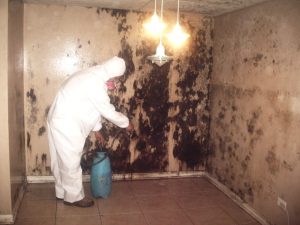
South Merritt Island is known for its waterways, proximity to the Banana River, and lush coastal environment. While these features make the area beautiful, they also contribute to high humidity and frequent moisture intrusion — particularly after storms or plumbing issues. Water damage is one of the most common causes of mold growth in South Merritt Island homes and commercial properties.
Mold after water damage can develop quickly, often within 24–48 hours, and may remain hidden behind walls, under flooring, or in attics and crawl spaces. Understanding how mold grows after water events, recognizing early signs, and knowing how to address it properly is essential for property owners.
How Water Damage Leads to Mold
Mold thrives where moisture meets organic material. Water intrusion from a burst pipe, leaky roof, flood, or storm runoff saturates building materials such as drywall, wood, insulation, and carpet. If these materials are not dried quickly and thoroughly, mold spores present in the environment can begin to colonize and spread.
In South Merritt Island, environmental conditions accelerate mold growth: high coastal humidity, slab foundations, and AC condensation create an environment where even minor water intrusion can turn into a serious mold problem if not addressed promptly.
Why South Merritt Island Homes Are Particularly Vulnerable
Several factors make mold growth after water damage especially common in South Merritt Island:
- High Humidity: Coastal humidity keeps materials damp for longer periods, allowing mold to establish itself.
- Storms and Flooding: Heavy rains, hurricanes, and wind-driven water can penetrate roofs, windows, and doors.
- Slab-on-Grade Foundations: Moisture from the ground can migrate upward, affecting floors and lower walls.
- AC Condensation: Poorly maintained ducts and vents can introduce additional moisture into homes.
- Older Construction: Attics, crawl spaces, and wall cavities in older homes often trap moisture, creating hidden mold growth areas.
Even a small leak, if left unaddressed, can lead to significant mold problems over time.
Early Signs of Mold After Water Damage
Mold growth can be subtle, especially in hidden areas. South Merritt Island property owners should watch for:
- Musty or damp odors in areas affected by water
- Stains, bubbling, or discoloration on walls, ceilings, or baseboards
- Warped or soft flooring, particularly near slab foundations
- Condensation on windows, vents, or HVAC ducts
- Recurrent moisture problems in areas previously exposed to leaks or flooding
Identifying these signs early allows for prompt inspection and remediation.
Common Hidden Mold Locations After Water Damage
Water can infiltrate areas that are not immediately visible, creating hidden mold risks:
- Attics: Roof leaks can cause mold on insulation, roof decking, and trusses.
- Crawl Spaces and Slabs: Water intrusion through the foundation can create mold beneath flooring or in lower walls.
- Wall Cavities: Moisture trapped inside walls can allow mold to grow behind drywall.
- HVAC Systems: Ductwork and vents can harbor mold, which then spreads spores throughout the property.
Professional inspection is critical to locate these hidden sources and prevent ongoing growth.
Why DIY Mold Removal After Water Damage Often Fails
Many property owners attempt to clean mold themselves using bleach or household cleaners. While this may remove surface mold temporarily, it rarely addresses hidden growth or the underlying moisture issue.
DIY attempts can also create problems:
- Disturbing mold without containment spreads spores to other areas
- Hidden mold in walls, attics, or under floors often goes untreated
- Moisture sources remain uncorrected, leading to recurring mold
Professional remediation ensures that mold is removed safely and moisture problems are corrected to prevent future outbreaks.
Professional Mold Remediation After Water Damage
Effective mold remediation after water damage generally involves a structured process:
- Inspection and Assessment: Identify both visible and hidden mold and locate moisture sources.
- Containment: Isolate affected areas to prevent spore spread during remediation.
- Removal and Cleaning: Safely remove contaminated materials and clean salvageable surfaces with industry-approved methods.
- Moisture Correction: Repair plumbing, roofs, drainage, and HVAC systems to eliminate sources of moisture.
- Post-Remediation Verification: Confirm that mold has been fully removed and areas are dry.
This process ensures safe, thorough remediation with long-term protection.
Preventing Mold After Water Damage
Prevention is crucial in South Merritt Island homes and businesses:
- Dry affected areas thoroughly and quickly after leaks or flooding
- Maintain proper ventilation in attics, bathrooms, kitchens, and crawl spaces
- Service HVAC systems and ensure condensate drains are clear
- Inspect roofs, windows, and exterior walls after storms
- Monitor slab foundations and low-lying areas for persistent moisture
Prompt action and ongoing maintenance reduce the risk of mold recurrence.
Why Local Expertise Matters
Mold behavior in South Merritt Island is influenced by coastal humidity, salt air, and frequent storms. Professionals familiar with the area understand:
- Where water typically infiltrates during storms or plumbing issues
- How slab-on-grade construction, attics, and wall cavities can hide mold
- Seasonal risks and post-storm inspection priorities
Local expertise ensures faster, more accurate inspections and effective remediation tailored to the environment.
A Calm, Informed Approach for Property Owners
Mold after water damage is a common but manageable issue for South Merritt Island homeowners and property managers. Professional assessment and remediation provide clarity, address hidden mold, and correct moisture problems to prevent recurrence.
Working with an experienced local provider like Mold Removal Merritt Island ensures remediation is thorough, safe, and specifically designed for coastal conditions. Early, informed action protects both property and indoor air quality for years to come.
