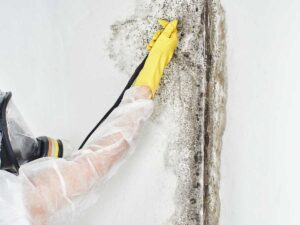
Residential Mold Remediation in Brevard County: What Merritt Island Property Owners Should Know
Living in Brevard County means enjoying coastal breezes, warm weather, and proximity to the water — but it also means dealing with moisture year-round. For Merritt Island homeowners, mold is one of the most common property issues, especially in homes near the Banana River, Indian River, and surrounding lagoons. When moisture problems aren’t addressed quickly or thoroughly, mold can take hold and spread quietly behind the scenes.
Residential mold remediation isn’t about drastic measures or panic. It’s a structured, practical process focused on safely removing mold, correcting the moisture conditions that caused it, and helping prevent it from returning. Understanding how remediation works in Brevard County helps homeowners make informed decisions and protect their homes long-term.
Understanding Mold in Brevard County Homes
Mold is a naturally occurring organism that thrives in damp environments. Indoors, it grows on materials commonly found in homes, including drywall, wood framing, insulation, ceiling tiles, carpeting, and even household dust.
In Brevard County, mold doesn’t require flooding to become a problem. Persistent humidity, small roof leaks, plumbing issues, or condensation from air conditioning systems can provide enough moisture for mold to grow. Because many Merritt Island homes are slab-on-grade construction, moisture can also migrate upward through concrete foundations and become trapped beneath flooring or inside walls.
Mold often develops slowly and out of sight, making professional remediation necessary once it’s discovered.
Why Mold Problems Are So Common in Brevard County
Brevard County’s coastal climate creates ideal conditions for mold growth. High humidity is present most of the year, particularly during warmer months when homes rely heavily on air conditioning. The contrast between cool indoor air and warm, moist outdoor air often leads to condensation inside wall cavities, around HVAC ducts, and in attics.
Frequent storms and hurricanes add another layer of risk. Wind-driven rain, roof damage, and water intrusion around windows and doors are common after severe weather. Even when repairs are made quickly, moisture can remain trapped inside building materials if not properly dried.
High water tables across Merritt Island and nearby areas also contribute. Moisture rising through slab foundations can affect flooring systems and lower wall sections, creating hidden mold-friendly environments. Salt air exposure further accelerates wear on building materials, opening pathways for moisture intrusion over time.
Signs Mold Remediation May Be Needed
Homeowners often notice mold issues through indirect signs rather than obvious growth. A persistent musty or damp odor, especially when the air conditioning runs, is one of the most common indicators.
Visible signs may include discoloration on walls or ceilings, peeling or bubbling paint, warped baseboards, or recurring stains that reappear after repairs. Condensation around vents, windows, or doors can also signal excess indoor humidity.
Other triggers include recent roof leaks, plumbing failures, appliance leaks, or storm-related water intrusion. Even past water damage that seemed resolved can lead to mold if moisture was trapped inside walls or floors.
Common Hidden Mold Locations in Residential Homes
Many mold problems in Brevard County homes develop in areas homeowners rarely inspect. Attics are a frequent source, particularly when ventilation is inadequate or humid air becomes trapped. Mold may grow on roof decking, trusses, or insulation due to condensation.
Wall cavities are another common location, especially along exterior walls exposed to wind-driven rain. Older homes without modern vapor barriers are especially vulnerable.
Flooring systems also deserve attention. Vinyl plank, laminate, and carpet installed over concrete slabs can trap moisture rising from below. Mold may grow underneath without obvious surface signs until odors become noticeable or flooring begins to fail.
HVAC systems can contribute as well. Clogged condensate drains, poorly insulated ductwork, or improperly balanced systems can introduce moisture and distribute spores throughout the home.
Why DIY Mold Cleanup Often Doesn’t Work
Many homeowners attempt to handle mold by cleaning visible spots with household products. While this may improve appearance temporarily, it rarely addresses the root cause.
Mold often grows beneath surfaces, inside walls, or under flooring. Cleaning only what’s visible leaves hidden growth untouched. Bleach and disinfectants don’t correct moisture issues and can sometimes worsen conditions by adding moisture to porous materials.
Disturbing mold without proper containment can also spread spores to other areas of the home, expanding the problem instead of solving it. This is why professional remediation is often necessary once mold is confirmed.
What Residential Mold Remediation Involves
Proper mold remediation follows a structured, safety-focused process. It begins with containment to prevent mold spores from spreading to unaffected areas of the home during removal.
Affected materials that cannot be safely cleaned are carefully removed under controlled conditions. Surfaces that can be salvaged are cleaned using appropriate methods designed for residential environments.
Just as important as removal is correcting the moisture source. This may involve repairing roof leaks, addressing plumbing issues, improving attic ventilation, sealing exterior penetrations, or adjusting HVAC systems for better humidity control. Without moisture correction, mold is likely to return.
Companies like Mold Removal Merritt Island focus on remediation strategies that prioritize long-term solutions rather than short-term cosmetic fixes.
How Remediation Is Tailored for Brevard County Homes
Mold remediation in Brevard County requires an understanding of local conditions. High humidity means drying times can be longer, especially in enclosed spaces like wall cavities and attics. Specialized drying and monitoring methods are often needed to ensure materials are fully dry.
Slab-on-grade construction is common across Merritt Island, so remediation plans frequently address moisture migrating from below the home. Older homes may require additional attention due to outdated insulation, ventilation, or drainage designs.
Storm history also matters. Homes that have experienced multiple weather events may have layered moisture issues that need to be addressed systematically rather than one area at a time.
Preventing Mold After Remediation
Once remediation is complete, prevention becomes the priority. Regular roof inspections, especially after storms, help identify small issues before they lead to water intrusion. HVAC systems should be maintained for both cooling performance and humidity control.
Proper attic ventilation, bathroom exhaust fans, and kitchen ventilation help reduce moisture buildup. Ensuring good drainage around the home and sealing exterior gaps can limit water intrusion during heavy rain.
For Merritt Island homeowners, post-storm inspections are especially valuable, even when no visible damage is present. Catching moisture early helps prevent mold from developing again.
Why Local Experience Makes a Difference
Mold behavior in Brevard County is shaped by the coastal environment. Professionals familiar with Merritt Island understand how lagoon humidity, high water tables, salt air, and building styles interact.
They know where moisture tends to hide in slab-on-grade homes and how older construction methods affect airflow and insulation. This local knowledge leads to more accurate remediation plans and practical recommendations tailored to Brevard County conditions.
A Calm, Homeowner-Focused Next Step
Residential mold remediation doesn’t have to be overwhelming. When approached early and handled correctly, it’s a manageable process that protects both the home and its occupants.
If a Merritt Island home shows signs of mold or ongoing moisture issues, a professional evaluation can provide clarity. Working with an experienced local provider like Mold Removal Merritt Island ensures remediation is based on real Brevard County conditions and focused on durable, long-term results.