
Seasonal Mold Problems in North Merritt Island: What Merritt Island Property Owners Should Know
Seasonal changes may feel subtle in Florida, but in North Merritt Island, they have a real impact on moisture and mold activity inside homes. Shifts between drier winter months, humid summers, and storm-heavy seasons often trigger mold problems that seem to appear “out of nowhere.” For property owners, understanding these seasonal patterns makes it much easier to catch issues early and avoid costly remediation later.
North Merritt Island’s proximity to waterways, combined with older construction and long AC run times, creates a perfect environment for mold to cycle in and out throughout the year. What looks fine one season can quietly become a problem in the next.
What Seasonal Mold Problems Actually Mean
Seasonal mold problems aren’t about one-time leaks or disasters. They’re recurring issues tied to predictable changes in weather, humidity, and indoor conditions.
These problems often show up as:
- Musty odors that come and go
- Mold returning in the same areas each year
- Worsening air quality during certain months
- Condensation appearing only seasonally
Because symptoms aren’t constant, many homeowners overlook them until mold becomes established.
Why North Merritt Island Homes Are Especially Vulnerable
North Merritt Island homes experience a unique mix of environmental factors that influence mold growth.
Surrounded by Water
With nearby creeks, lagoons, and the Indian River, outdoor humidity remains elevated year-round.
Older Housing Stock
Many North Merritt Island homes were built decades ago, often with aging insulation, ductwork, or ventilation designs that struggle with moisture control.
High Water Table
Seasonal rain raises groundwater levels, increasing moisture pressure beneath slab foundations.
Closed-Window Living
Most homes rely heavily on air conditioning, limiting natural drying and airflow.
How Different Seasons Trigger Mold Issues
Each season in North Merritt Island brings its own mold risks.
Spring
Rising humidity and temperature swings lead to condensation in walls, attics, and HVAC systems.
Summer
High heat and constant humidity accelerate mold growth, especially after afternoon storms.
Fall
Storm systems and heavy rain introduce moisture through roofs, windows, and foundations.
Winter
Cooler temperatures reduce AC usage, sometimes allowing indoor humidity to rise unnoticed.
Mold doesn’t disappear between seasons—it adapts.
Common Seasonal Mold Signs Homeowners Notice
Seasonal mold issues often start subtly.
Typical signs include:
- A musty smell that appears during humid months
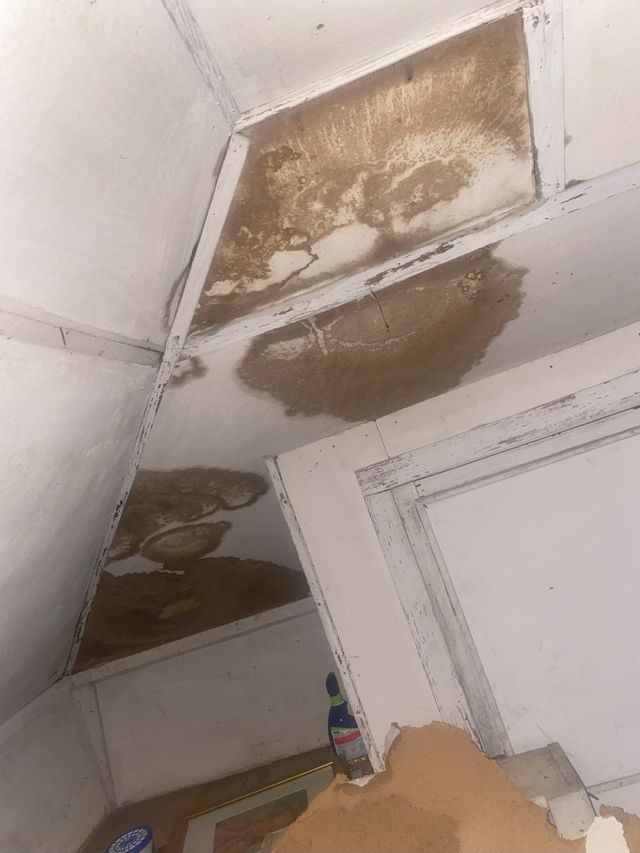
- Dark spots near vents or ceilings that fade and return
- Condensation on vents, windows, or walls
- Allergy-like symptoms that worsen seasonally
- AC systems running but rooms still feeling damp
Because these signs fluctuate, they’re easy to ignore until damage becomes visible.
Where Seasonal Mold Is Most Often Found
In North Merritt Island homes, mold linked to seasonal moisture commonly develops in hidden or low-airflow areas.
Attics
Warm, humid air condenses against cooler roof decking during seasonal shifts.
HVAC Systems
Air handlers, drain pans, and duct insulation collect moisture as AC demand changes.
Wall Cavities
Small seasonal leaks or condensation build up inside walls.
Closets and Storage Rooms
Limited airflow allows humidity to linger during wetter months.
Under Flooring
Moisture rises through slabs more noticeably after seasonal rains.
Why Seasonal Mold Keeps Coming Back
Recurring mold is almost always tied to unresolved moisture, not cleaning methods.
Common reasons it returns include:
- Seasonal humidity spikes not being managed
- AC systems sized or maintained poorly
- Insulation issues in attics or ductwork
- Minor leaks that worsen only during certain weather
- Lack of post-season inspections
Without correcting these conditions, mold tends to reappear each year.
How a Professional Inspection Helps With Seasonal Mold
A professional mold inspection looks beyond what’s visible and focuses on patterns.
During an inspection, professionals evaluate:
- Moisture trends tied to seasons
- Attic ventilation and insulation
- HVAC performance and drainage
- Areas with recurring growth
- Whether testing is appropriate
This approach helps identify why mold appears seasonally, not just where it shows up.
Mold Testing and Seasonal Conditions
Testing can be helpful when mold is suspected but not visible or when issues seem seasonal.
Testing may be useful if:
- Odors return during certain months
- Mold appears in multiple areas seasonally
- HVAC involvement is suspected
- There’s uncertainty about indoor air quality
Results are typically compared to outdoor conditions to understand whether indoor levels are abnormal for the season.
Why Seasonal DIY Cleanup Usually Isn’t Enough
Wiping away mold without addressing seasonal moisture often leads to repeat problems.
Common DIY limitations include:
- Cleaning surfaces but ignoring humidity
- Using bleach on porous materials
- Painting over stains without drying
- Running AC harder instead of improving airflow
Seasonal mold requires seasonal awareness—not just surface cleaning.
Managing and Preventing Seasonal Mold in North Merritt Island
Prevention focuses on controlling moisture before seasonal changes trigger problems.
Effective steps include:
- Monitoring indoor humidity year-round
- Maintaining AC systems and drain lines
- Improving attic ventilation
- Sealing small roof and window gaps
- Checking closets, vents, and ceilings during humid months
Proactive checks before and after wet seasons make a noticeable difference.
Why Local North Merritt Island Experience Matters
Seasonal mold patterns vary by location. What’s normal inland can be a warning sign here.
Local professionals understand:
- How humidity shifts affect coastal homes
- Typical construction styles in North Merritt Island
- Common seasonal problem areas
- How mold behaves in lagoon-adjacent neighborhoods
This local insight helps avoid misdiagnosis and unnecessary work. Providers such as Mold Removal Merritt Island apply this regional understanding when evaluating seasonal mold concerns.
A Calm, Practical Way Forward
If you’ve noticed mold or musty odors that seem to come and go with the seasons, you’re not alone. Seasonal mold problems are common in North Merritt Island, but they don’t have to become permanent.
A thoughtful evaluation focused on moisture patterns can reveal what’s really happening and help protect your home year after year.
