
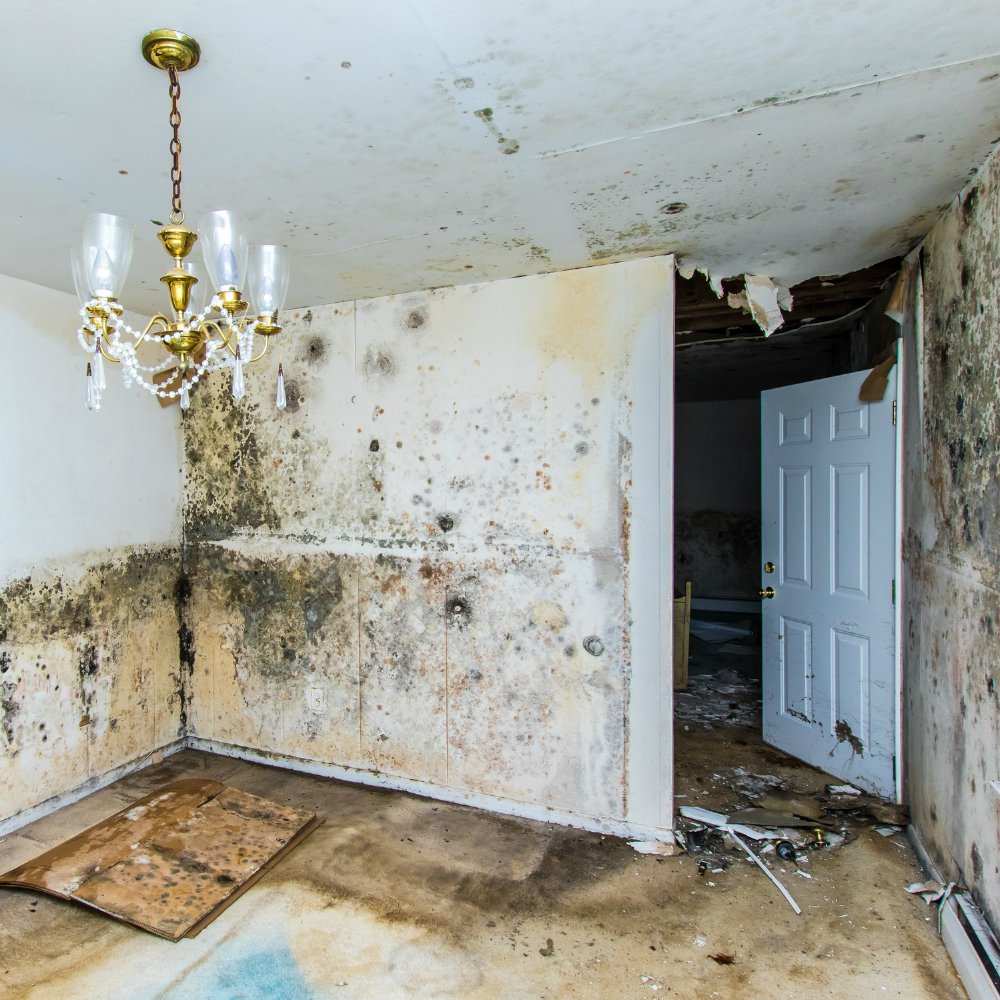
Mold Issues After Heavy Rain in Merritt Island: What Merritt Island Property Owners Should Know
Heavy rain is part of life on Merritt Island, especially during storm season. Afternoon downpours, tropical systems, and slow-moving weather fronts can drop large amounts of water in a short time. While many homeowners focus on obvious flooding, mold problems often develop quietly in the days and weeks after the rain stops.
Because Merritt Island is surrounded by water and sits at a low elevation, rain-related moisture behaves differently here than in inland areas. Understanding how and why mold forms after heavy rain helps property owners spot problems early and avoid long-term damage.
What Heavy Rain Really Does to Merritt Island Homes
Heavy rain doesn’t need to flood a house to create mold conditions. In many cases, moisture enters in subtle ways that go unnoticed at first.
Common rain-related moisture pathways include:
- Wind-driven rain entering through small roof or siding gaps
- Water seeping around windows and doors
- Ground saturation pushing moisture up through slab foundations
- Blocked gutters or drainage systems forcing water back toward the structure
Because homes on Merritt Island often sit near Indian River, Banana River, or Sykes Creek, the surrounding soil can remain saturated long after rainfall ends. That lingering moisture is what allows mold to take hold.
Why Mold After Rain Is So Common on Merritt Island
Several local factors make post-rain mold issues more frequent here than in many other parts of Florida.
Persistent Humidity
Even after the rain stops, outdoor humidity stays high. Indoor materials dry slowly, especially in closed-up homes.
High Water Table
Merritt Island’s water table is close to the surface. Heavy rain can increase ground moisture pressure against slabs and foundations.
Slab Construction
Many homes are slab-on-grade. Moisture trapped beneath flooring has nowhere to go, creating ideal mold conditions.
Long AC Run Times
Air conditioning helps, but condensation from overworked systems can add moisture if drain lines or insulation aren’t performing properly.
Early Signs Homeowners Often Notice After Heavy Rain
Mold growth usually starts out of sight. Homeowners often notice secondary signs before seeing visible growth.
These may include:
- Musty or earthy odors that appear a few days after rain
- Indoor air feeling damp or “heavy”
- AC systems running longer than usual
- Darkening or staining near baseboards or ceilings
- Warped flooring or bubbling paint
Because these symptoms don’t always appear immediately, they’re easy to dismiss as temporary—until mold becomes established.
Common Places Mold Develops After Rainfall
Post-rain mold on Merritt Island is rarely limited to one area. Inspectors frequently find growth in multiple locations.
Behind Walls
Water entering through roofs or windows often travels down inside wall cavities.
Under Flooring
Tile, laminate, and vinyl can trap moisture against concrete slabs.
Attics
Roof leaks combined with humid air lead to attic mold, even without visible ceiling damage.
HVAC Systems
Air handlers, drain pans, and duct insulation can collect moisture after storms.
Closets and Cabinets
Low airflow spaces absorb humidity and dry slowly after rain events.
Why Mold Problems Are Often Missed After Rain
One of the biggest challenges after heavy rain is false reassurance. If there’s no standing water, many homeowners assume there’s no problem.
Common reasons mold is overlooked include:
- Damage is hidden behind finished surfaces
- AC temporarily masks odors
- Moisture levels feel normal during the day but spike at night
- Visible mold doesn’t appear for several weeks
By the time mold becomes obvious, it has often spread beyond the original moisture source.
How a Professional Mold Inspection Helps After Heavy Rain
A post-rain mold inspection focuses on identifying moisture movement, not just visible growth.
A thorough inspection typically includes:
- Visual evaluation of rain-exposed areas
- Moisture readings in walls, floors, and ceilings
- Assessment of attic conditions
- HVAC system inspection
- Determining whether testing is necessary
Testing may be used when mold isn’t visible but conditions suggest hidden growth. Results are used to guide decisions, not to create unnecessary alarm.
Mold Testing After Rain: When It Makes Sense
Mold testing isn’t always required, but it can be useful in certain post-rain scenarios.
Testing may help when:
- Odors are present but no visible mold is found
- Multiple rooms are affected
- HVAC involvement is suspected
- Property transactions are underway
Results are typically compared to outdoor levels to determine whether indoor conditions are abnormal.
Why DIY Cleanup After Rain Often Fails
After heavy rain, many homeowners try to handle mold themselves. Unfortunately, this often addresses symptoms, not causes.
Common mistakes include:
- Cleaning visible spots without drying materials
- Using bleach on porous surfaces
- Covering moisture with paint or flooring
- Running AC systems that spread spores
- Ignoring attic or wall cavity conditions
Without moisture control, mold usually returns.
Proper Mold Remediation After Heavy Rain
Effective mold remediation focuses on correction, not just removal.
A proper process includes:
- Isolating affected areas to prevent spread
- Removing contaminated materials safely
- Cleaning remaining surfaces correctly
- Identifying and correcting moisture sources
- Verifying drying before rebuilding
The goal is to prevent future growth, not just make surfaces look clean.
Preventing Mold After Future Heavy Rains
On Merritt Island, prevention is an ongoing process, not a one-time fix.
Helpful steps include:
- Inspecting roofs and flashing after storms
- Keeping gutters and drains clear
- Maintaining AC drain lines and insulation
- Monitoring indoor humidity levels
- Checking attics and closets periodically
Homes near waterways benefit from extra vigilance after prolonged rain.
Why Local Merritt Island Experience Matters
Mold behavior after rain varies by location. What works inland doesn’t always apply here.
Local professionals understand:
- How coastal rain saturates soil differently
- Typical slab and attic configurations on Merritt Island
- Common post-storm moisture patterns
- How quickly mold develops in this climate
Companies like Mold Removal Merritt Island bring that local knowledge to inspections and remediation, helping property owners avoid guesswork.
A Practical, Calm Next Step
If your Merritt Island property experienced heavy rain and something feels off—musty smells, lingering dampness, or unexplained humidity—it’s worth taking a closer look. Mold issues are easier to manage when addressed early, before damage spreads.
A professional evaluation after heavy rain provides clarity, peace of mind, and a path forward based on real conditions—not assumptions.
