
How Mold Spreads Indoors in South Merritt Island: What Merritt Island Property Owners Should Know
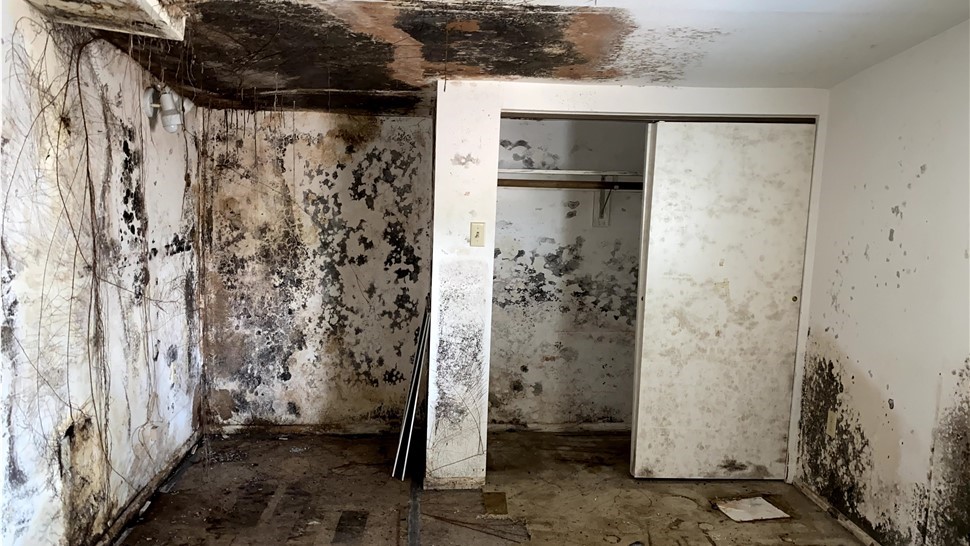
In South Merritt Island, mold problems often surprise homeowners not because mold appeared, but because of how far it spread before anyone noticed. A small moisture issue in one part of the home can quietly affect multiple rooms over time. That’s because mold doesn’t stay where it starts—especially in a warm, humid, coastal environment.
Understanding how mold spreads indoors helps property owners recognize early warning signs, limit damage, and avoid repeat problems. In South Merritt Island homes, mold spread is usually driven by airflow, humidity, and hidden moisture—not dramatic leaks.
Why Mold Spreads Easily in South Merritt Island Homes
South Merritt Island sits close to open water and experiences persistent humidity throughout the year. Homes here are often tightly closed to keep cool, which changes how air and moisture move indoors.
Several local conditions make mold spread more likely:
- Constant coastal humidity
- High water tables affecting slab foundations
- Heavy, year-round air conditioning use
- Warm temperatures that support rapid growth
- Frequent storms that introduce recurring moisture
Once mold begins growing anywhere in the structure, these conditions allow it to expand quietly.
Mold Starts Small and Hidden
Most indoor mold growth in South Merritt Island begins out of sight. It often starts in places homeowners rarely check:
- Inside wall cavities
- Above ceilings or in attic spaces
- Under flooring installed over slab
- Inside HVAC systems or ductwork
- Behind cabinets or built-ins
At this stage, mold is not spreading as visible patches—it’s spreading through microscopic spores.
Mold Spores and Air Movement
Mold reproduces by releasing spores into the air. These spores are extremely small and lightweight, allowing them to move easily throughout a home.
In South Merritt Island houses, spores spread through:
- Natural air movement between rooms
- HVAC systems circulating conditioned air
- Pressure changes when doors open and close
- Air leaks around vents, attic hatches, and wall cavities
Once spores settle in another damp area, new mold growth can begin.
The Role of HVAC Systems in Mold Spread
HVAC systems are one of the most common pathways for indoor mold spread. Air handlers, ducts, and returns interact with air from the entire home.
When mold develops near HVAC components, it can:
- Release spores directly into circulated air
- Spread odors throughout multiple rooms
- Carry spores to cooler surfaces where condensation forms
- Affect rooms far from the original moisture source
In South Merritt Island, where AC systems run most of the year, this spread can happen gradually but continuously.
Attics as a Distribution Zone
Attics are another major factor in how mold spreads indoors. Warm, humid air enters attic spaces through vents and small openings, while conditioned air can leak upward from living spaces.
This creates:
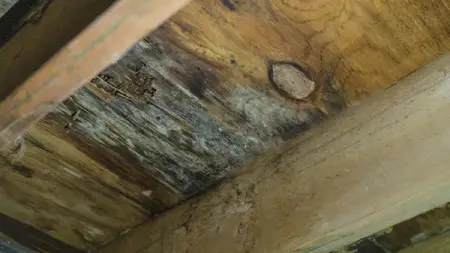
- Condensation on roof decking and framing
- Mold growth in attic materials
- Air exchange between attic and home
Once mold establishes in an attic, spores and odors can migrate downward through ceiling penetrations, duct chases, and access panels.
Humidity Allows Mold to Expand Beyond One Area
Humidity doesn’t just cause mold—it helps it spread. In South Merritt Island, indoor humidity often remains elevated even when the AC is running.
High humidity allows:
- Mold to grow on multiple surfaces simultaneously
- Spores to remain viable longer
- Damp materials in other rooms to become new growth sites
This is why mold that starts in one closet or bathroom can eventually show up elsewhere.
How Mold Spreads Through Walls and Floors
Mold doesn’t need open air to spread. It can move internally through building materials.
Common pathways include:
- Wall cavities shared between rooms
- Top plates where walls meet ceilings
- Flooring systems over slab foundations
- Insulation that absorbs and transfers moisture
In slab homes common to South Merritt Island, moisture under flooring can support mold growth that expands laterally beneath rooms.
Why Mold Odors Often Appear Before Visible Growth
Many homeowners notice musty odors long before they see mold. That’s because odors are produced as mold grows and spreads internally.
Odors may be strongest:
- When the AC first turns on
- After storms or humid days
- In rooms adjacent to the source
- Near vents, closets, or exterior walls
Smell is often the first sign that mold is spreading beyond where it started.
Storms Accelerate Indoor Mold Spread
Storms don’t just introduce new moisture—they reactivate existing mold conditions.
After storms, mold spread can accelerate due to:
- Increased indoor humidity
- New moisture entering old problem areas
- Reduced drying time between wet cycles
- AC systems running harder and longer
This is why mold often seems to “suddenly” spread after storm season, even if it started earlier.
Why Surface Cleaning Doesn’t Stop Mold Spread
Cleaning visible mold may remove surface growth, but it doesn’t stop spores already circulating or hidden mold continuing to grow.
Surface-only approaches fail because:
- Spores remain airborne
- Moisture sources aren’t corrected
- Mold continues growing behind walls
- HVAC and attic areas are untouched
Without addressing moisture and airflow, mold spread continues even if surfaces look clean.
When Mold Spread Becomes a Whole-Home Issue
Mold spread is no longer localized when:
- Odors are noticeable in multiple rooms
- Symptoms or discomfort vary by room
- Mold reappears in different locations
- HVAC odors persist
- Moisture readings are elevated throughout the home
At this stage, understanding how mold moved through the home is essential to stopping it.
How Professionals Evaluate Mold Spread
A professional evaluation focuses on identifying pathways, not just growth spots.
This often includes:
- Moisture mapping throughout the home
- Inspection of HVAC systems and ducts
- Attic and insulation assessment
- Identifying airflow patterns
- Tracing moisture sources
Local providers like Mold Removal Merritt Island often see that stopping mold spread requires correcting the environment that allowed it to move—not just removing growth.
Preventing Mold From Spreading Indoors
Stopping mold spread in South Merritt Island homes requires controlling moisture and airflow together.
Effective prevention steps include:
- Maintaining consistent indoor humidity
- Keeping HVAC systems properly serviced
- Addressing moisture immediately after storms
- Inspecting attics and closets regularly
- Not ignoring musty odors
Early action prevents mold from establishing secondary growth areas.
Why Local South Merritt Island Experience Matters
Mold spreads differently in coastal homes than inland ones. Local experience matters because professionals familiar with South Merritt Island understand how lagoon humidity, slab foundations, and constant AC use influence mold movement.
That knowledge leads to accurate identification of spread pathways and targeted solutions—not guesswork.
A Practical Takeaway for Property Owners
Mold rarely spreads overnight—but it does spread steadily when conditions allow. In South Merritt Island, humidity and airflow make it easy for mold to move quietly through a home.
If odors persist, mold appears in new areas, or moisture keeps returning, a professional evaluation can help identify how mold is spreading and how to stop it. Addressing spread early protects the structure, indoor comfort, and long-term condition of the property.
