
Mold Inspection Process Explained in Merritt Island: What Merritt Island Property Owners Should Know
For many Merritt Island property owners, the idea of a mold inspection can feel vague or intimidating. You may notice a musty odor, recurring moisture, or staining on walls and wonder what actually happens during an inspection—and whether it’s really necessary. In a coastal environment like Merritt Island, mold inspections are less about alarm and more about clarity.
A proper mold inspection is a structured, step-by-step process designed to identify moisture conditions, determine whether mold is present, and explain what—if anything—needs to be done next. Understanding how the process works helps homeowners, landlords, and property managers make informed decisions without guesswork.
Why Mold Inspections Are Especially Important in Merritt Island
Merritt Island homes sit in a unique environment. Surrounded by the Banana River, Indian River, and Sykes Creek, the area experiences persistent humidity, frequent storms, and high water tables. Mold doesn’t need dramatic leaks here. It often develops quietly from condensation, humidity buildup, or minor past water intrusion.
Because mold is frequently hidden in attics, walls, or HVAC systems, visual checks alone are often not enough. A professional inspection focuses on moisture first, because mold always follows moisture.
Step One: Understanding the Property and the Concern
Every mold inspection starts with context. Before tools come out, the inspector gathers information about the property and the issues being noticed.
This typically includes:
- Age and construction type of the home
- Whether the property is on a slab foundation
- Proximity to waterways or waterfront exposure
- History of leaks, storms, or flooding
- Locations of odors, staining, or moisture concerns
In Merritt Island, this step is critical because older homes, waterfront properties, and newer construction all behave differently when it comes to moisture.
Step Two: Visual Inspection of High-Risk Areas
The next phase is a detailed visual inspection. This goes well beyond looking for obvious mold on walls.
High-risk areas commonly inspected include:
- Attics and roof decking
- HVAC air handlers, ductwork, and returns
- Bathrooms and laundry rooms
- Closets along exterior walls
- Garages and utility spaces
- Areas near windows, doors, and plumbing
In many Merritt Island homes, visible mold is minimal or absent. The inspection is focused on finding conditions that support mold growth, not just obvious surface issues.
Step Three: Moisture Detection and Measurement
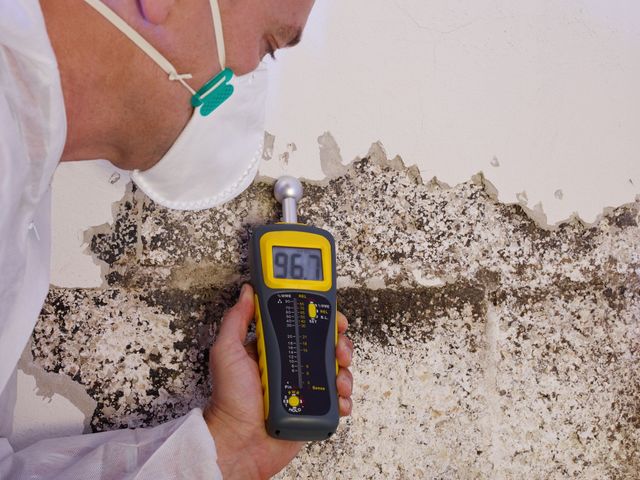
Moisture detection is one of the most important parts of the mold inspection process. Specialized tools are used to identify dampness that can’t be seen or felt.
This may include:
- Moisture meters for walls, ceilings, and flooring
- Thermal imaging to locate temperature differences caused by moisture
- Checking slab-adjacent areas for elevated moisture
- Evaluating humidity levels in different rooms
Because Merritt Island homes often hold moisture internally due to humidity and slab construction, this step frequently reveals issues long before mold becomes visible.
Step Four: Attic and HVAC Evaluation
Attics and HVAC systems are two of the most common mold sources in coastal Florida homes.
During this part of the inspection, the focus is on:
- Signs of condensation or past leaks in attics
- Damp or compressed insulation
- Mold growth on roof decking or framing
- Sweating ductwork or poorly insulated ducts
- Drain pans and condensate lines
Problems in these areas often explain musty odors, air quality changes, and recurring moisture complaints inside the home.
Step Five: Determining Whether Testing Is Necessary
Not every mold inspection requires testing. In many cases, visual findings and moisture data provide enough information to move forward.
Sampling may be recommended when:
- Mold is suspected but not visible
- Odors are present without a clear source
- Confirmation is needed for documentation
- Post-remediation verification is required
When testing is performed, the goal is clarity—not complexity. Results are explained in plain language, focusing on what they mean for the property.
Step Six: Identifying the Moisture Source
Finding mold without identifying the moisture source doesn’t solve anything. A proper inspection always aims to determine why conditions exist.
Moisture sources commonly identified in Merritt Island homes include:
- AC condensation and drainage issues
- Roof or flashing leaks
- Plumbing leaks inside walls or slabs
- Ground moisture migrating through slabs
- Humidity buildup from poor airflow
This step is what separates a useful inspection from a surface-level assessment.
Step Seven: Explaining Findings and Next Steps
At the end of the inspection, the findings are explained clearly. This is not about pressure or upselling—it’s about understanding.
A good inspection explains:
- Where moisture was found
- Whether mold is present or likely developing
- Which areas are affected or at risk
- What should be addressed first
- Whether monitoring, repairs, or remediation is recommended
Local providers such as Mold Removal Merritt Island often focus on education during this phase, helping property owners understand both the urgency and the options.
What a Mold Inspection Is Not
Understanding what to expect also means knowing what an inspection does not involve.
A mold inspection does not:
- Automatically mean mold remediation is needed
- Rely on fear or worst-case assumptions
- Focus only on visible mold
- Skip moisture investigation
- Require unnecessary testing
In many Merritt Island cases, inspections confirm that moisture issues are minor and manageable when addressed early.
When a Mold Inspection Makes the Most Sense
A mold inspection is especially valuable in Merritt Island when:
- Musty odors persist or return
- A property has experienced leaks or storms
- Indoor air feels damp or uncomfortable
- Buying, selling, or renting a property
- Mold has appeared before and returned
- A home is near waterways or older construction
Early inspections often prevent more disruptive work later.
Why Local Merritt Island Experience Matters
Mold inspections are not one-size-fits-all. Homes near the Banana River behave differently than inland properties, and slab foundations behave differently than raised construction.
Local experience matters because professionals familiar with Merritt Island understand:
- How coastal humidity affects drying
- Where moisture hides in slab homes
- How AC systems contribute to condensation
- How storms impact older and waterfront homes
That local knowledge leads to more accurate inspections and practical recommendations.
A Calm, Informed Next Step for Property Owners
A mold inspection is not about assuming the worst. It’s about understanding what’s happening inside the structure and addressing moisture before it becomes a larger issue.
For Merritt Island property owners, a professional inspection provides clarity, confidence, and a clear path forward—whether that means simple maintenance, targeted repairs, or further action. Knowing the process removes uncertainty and helps protect the home’s condition and long-term value.
