
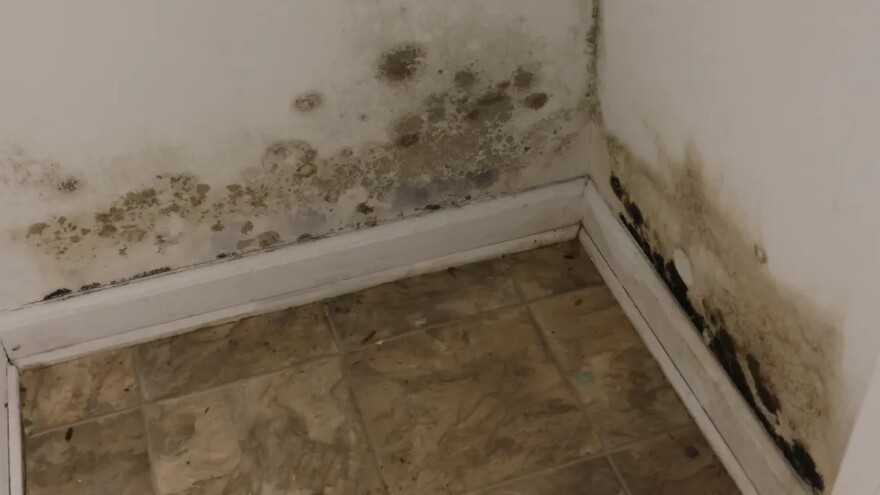
Mold and Indoor Air Quality in Brevard County: What Merritt Island Property Owners Should Know
Indoor air quality is something many property owners don’t think about until there’s a problem. In Brevard County—especially on Merritt Island—air quality and mold are closely connected. High humidity, coastal moisture, frequent storms, and heavy air conditioning use all influence what’s circulating through a home’s air every day.
When mold develops, it doesn’t stay confined to one spot. It interacts with airflow, HVAC systems, and indoor humidity, often affecting the entire living space long before mold is visible. Understanding how mold impacts indoor air quality helps Merritt Island property owners recognize issues early and protect both their homes and indoor comfort.
What Indoor Air Quality Really Means in Florida Homes
Indoor air quality refers to the condition of the air inside a home, including humidity levels, airborne particles, and contaminants that circulate through living spaces. In Brevard County, indoor air quality is heavily influenced by outdoor conditions because homes constantly exchange air through doors, windows, attic ventilation, and HVAC systems.
Warm, humid coastal air carries moisture and microscopic particles indoors. When that moisture isn’t properly managed, it creates conditions where mold can grow and release spores into the air. Poor indoor air quality often develops gradually, making it easy to overlook until symptoms become noticeable.
Why Mold Is a Common Air Quality Issue in Brevard County
Mold thrives in environments with consistent moisture, and Brevard County provides that year-round. Proximity to waterways like the Banana River, Indian River, and Sykes Creek keeps humidity levels elevated even during drier months.
Additional local factors include:
- High water tables affecting slab foundations
- Frequent afternoon storms and heavy rain
- Salt air breaking down seals and building materials
- Homes kept tightly closed while AC runs most of the year
- Older construction common throughout Merritt Island
These conditions allow moisture to linger inside walls, attics, and HVAC systems, where mold can grow and influence indoor air.
How Mold Affects Indoor Air Quality
When mold grows, it releases microscopic spores and microbial byproducts into the air. These particles can move throughout a home through natural airflow and HVAC circulation, even if mold growth is limited to one area.
In Brevard County homes, mold-related air quality issues often show up as:
- Persistent musty or earthy odors
- Stale or heavy-feeling indoor air
- Odors that worsen after rain or humidity spikes
- Air that feels damp despite air conditioning
Because spores are invisible, homeowners may notice changes in air quality long before they see mold on surfaces.
Common Areas Where Mold Impacts Air Quality
Mold affecting indoor air quality is often hidden. In Merritt Island and surrounding Brevard County communities, it commonly develops in areas that interact directly with airflow.
High-impact areas include:
- HVAC air handlers and ductwork
- Attics with poor ventilation
- Wall cavities near exterior walls
- Under flooring installed over slab foundations
- Closets and storage areas with limited airflow
When mold grows in these spaces, spores are easily carried into living areas.
HVAC Systems and Mold-Related Air Issues
Air conditioning systems play a major role in indoor air quality. In Brevard County, AC systems run almost constantly, removing moisture from the air. When they don’t drain properly or ducts are poorly insulated, moisture builds up and mold can develop.
Signs HVAC-related mold may be affecting air quality include:
- Musty smells when the AC turns on
- Odors strongest near vents or returns
- Visible staining around vent covers
- Damp air handler closets
Since HVAC systems circulate air throughout the home, mold in these areas can impact every room.
Attics, Humidity, and Air Quality
Attics are another major contributor to indoor air quality issues in Brevard County homes. High attic temperatures combined with humidity can lead to condensation on wood framing and insulation.
When attic mold develops, odors and airborne particles can migrate into living spaces through ceiling penetrations, duct chases, and access hatches. Poor attic ventilation often allows these conditions to persist unnoticed.
How Moisture Drives Air Quality Problems
Mold and air quality problems are almost always moisture problems first. In coastal Brevard County, moisture comes from multiple sources at once.
Common contributors include:
- Humid outdoor air entering the home
- Condensation on cool interior surfaces
- Minor roof or window leaks
- HVAC condensation issues
- Past storm-related moisture
Without addressing moisture, indoor air quality issues tend to return even after cleaning or repairs.
Why Air Fresheners and Filters Don’t Fix the Issue
Many property owners try to improve indoor air quality by using air fresheners, purifiers, or upgraded filters. While these can help reduce odors or airborne particles temporarily, they don’t stop mold growth.
Limitations of surface solutions include:
- Odors returning once products wear off
- Mold continuing to grow in hidden areas
- Moisture sources remaining uncorrected
- Filters becoming contaminated over time
True improvement in indoor air quality requires identifying and correcting the underlying moisture issue.
Signs Mold May Be Affecting Indoor Air Quality
In Brevard County homes, mold-related air quality issues often present as patterns rather than one-time events.
Warning signs include:
- Musty odors that come and go
- Air feeling damp or heavy indoors
- Odors that worsen after storms
- Recurring moisture or condensation
- Uneven comfort between rooms
These signs suggest moisture and possible mold growth influencing the indoor environment.
Professional Inspections Focus on Air and Moisture
A professional mold inspection doesn’t just look for visible growth. In Merritt Island and across Brevard County, inspections often focus on moisture patterns and how they affect indoor air.
An inspection may include:
- Visual evaluation of high-risk areas
- Moisture measurements in walls and floors
- HVAC and attic assessments
- Air or surface sampling when appropriate
Local providers such as Mold Removal Merritt Island commonly help property owners understand whether air quality issues are tied to mold or moisture conditions within the home.
Long-Term Air Quality Protection in Coastal Homes
Improving indoor air quality in Brevard County requires a long-term approach that focuses on moisture control.
Effective strategies include:
- Maintaining consistent indoor humidity levels
- Keeping HVAC systems properly serviced
- Improving attic ventilation and insulation
- Addressing leaks and drainage issues promptly
- Performing post-storm inspections
These steps reduce the conditions mold needs to grow and help maintain healthier indoor air over time.
Why Local Brevard County Experience Matters
Indoor air quality issues in coastal Florida behave differently than in inland areas. Local experience matters because professionals familiar with Merritt Island, lagoon-front homes, and slab construction understand how moisture moves through these properties.
That local knowledge leads to more accurate identification of air quality issues and practical solutions tailored to Brevard County conditions—not generic advice.
A Practical Next Step for Property Owners
If indoor air feels stale, musty, or uncomfortable, it’s often a sign that moisture is affecting the home. In Brevard County, addressing these issues early can prevent more extensive mold problems later.
A calm, professional evaluation can help identify moisture sources, assess air quality concerns, and provide clear guidance on protecting the home’s structure and indoor environment for the long term.
