
Mold in HVAC Systems in Merritt Island: What Merritt Island Property Owners Should Know
Air-conditioning systems run almost year-round in Merritt Island. In a warm, humid coastal environment, HVAC systems play a critical role in keeping homes comfortable and controlling moisture. But when condensation, humidity, or drainage problems occur, HVAC systems themselves can become a place where mold develops.
Because air circulates throughout the home, mold inside an HVAC system can affect multiple rooms at once. Understanding how mold forms in HVAC systems, what warning signs to watch for, and how to prevent it helps homeowners protect both indoor air quality and their equipment.
Why HVAC Systems Are Prone to Mold
HVAC systems naturally produce moisture. As warm air passes over the cooling coil, condensation forms and drains away through a condensate line. When everything works correctly, this moisture is removed safely.
However, mold can develop if:
- Drain lines become clogged
- Condensation collects in drip pans
- Air filters become damp
- Ductwork traps humid air
Because Florida’s humidity is high most of the year, even small moisture issues inside HVAC components can lead to mold growth.
Why Mold in HVAC Systems Is Common in Merritt Island
Homes in Merritt Island and surrounding areas like Sykes Creek, Banana River, and Indian River neighborhoods face environmental conditions that increase HVAC mold risks.
High coastal humidity
Moist outdoor air increases the workload on HVAC systems and raises condensation levels.
Frequent storms and rain
Power outages and high humidity after storms can allow moisture to accumulate in ductwork and air handlers.
Continuous AC operation
Running systems for long periods increases the chance of condensation and drainage issues.
Salt air exposure
Coastal air can gradually affect metal components, sometimes contributing to drainage or corrosion problems.
Because of these conditions, HVAC systems in coastal homes often require regular inspection and maintenance.
Common Places Mold Appears in HVAC Systems
Mold can develop in several parts of an HVAC system, especially where moisture is present.
Typical locations include:
- Evaporator coils
- Condensate drain pans
- Air handlers
- Flexible or metal ductwork
- Air vents and registers
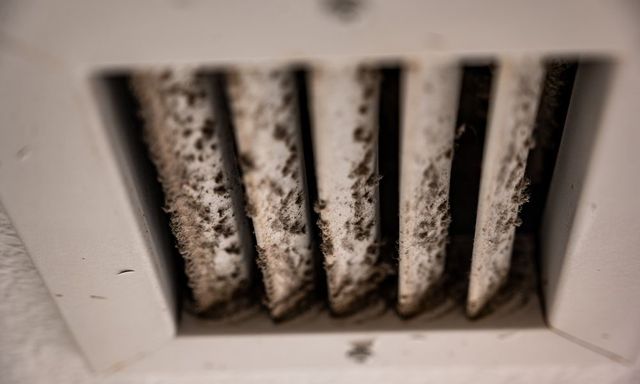
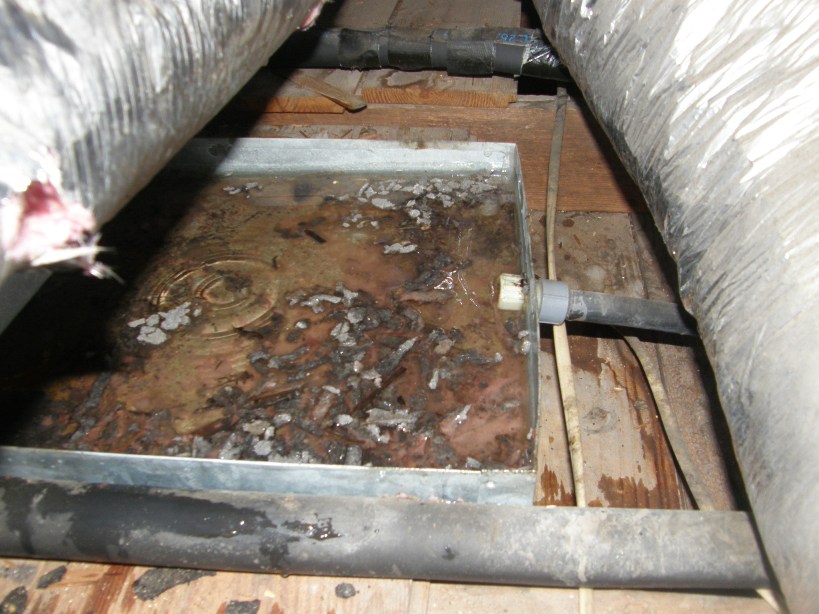

Because these areas are often hidden, mold may grow for weeks before being noticed.
Early Signs of Mold in HVAC Systems
Mold inside HVAC systems often produces noticeable signs before it is seen directly.
Homeowners may notice:
- Musty odors when the system runs
- Increased dust or debris near vents
- Dark spotting around vent covers
- Persistent indoor humidity
- Uneven airflow or reduced cooling efficiency
Odors are often the first clue that moisture or mold may be present inside the system.
Hidden Mold Inside Ductwork
Ductwork is one of the most common places for hidden mold to develop. Flexible ducts, insulation-lined ducts, and poorly sealed systems can trap moisture, allowing mold to grow out of sight.
Hidden mold may develop:
- Inside duct insulation
- Around connections or joints
- In areas with poor airflow
- Near vents in humid rooms such as bathrooms or kitchens
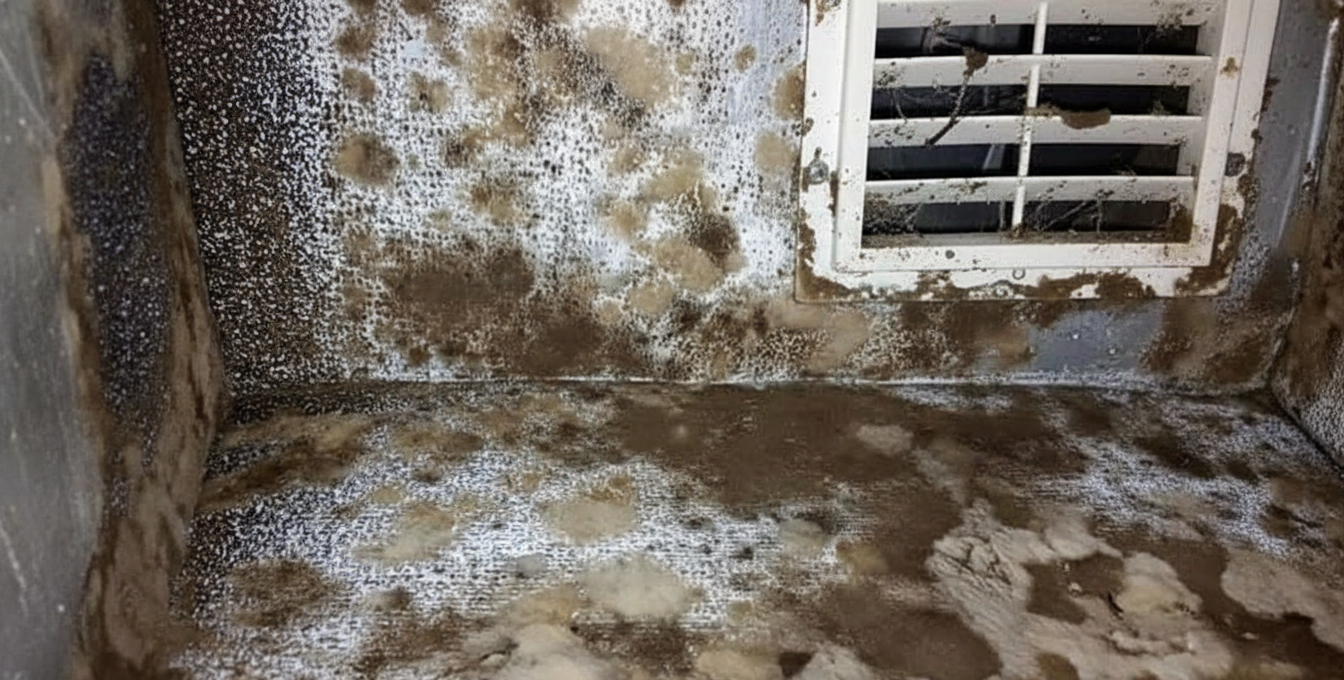

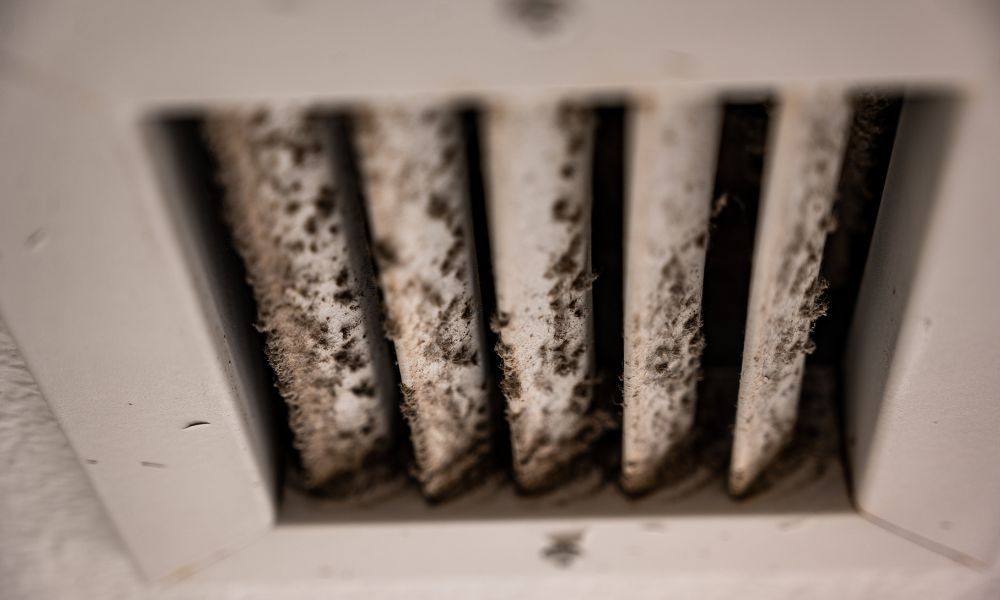
Because these areas are not visible without inspection, mold may spread unnoticed.
Why Mold in HVAC Systems Should Not Be Ignored
Even small mold growth inside an HVAC system can create ongoing issues if moisture continues.
Over time, mold can:
- Spread spores through airflow
- Reduce system efficiency
- Create persistent odors
- Affect duct insulation and components
Addressing mold early usually prevents larger system repairs and improves indoor conditions.
Why DIY Cleaning Often Falls Short
Some homeowners try to clean vents or spray household cleaners into ducts, but this approach rarely solves the underlying problem.
DIY cleaning may fall short because:
- Mold inside ducts or coils remains
- Moisture sources are not corrected
- Drain lines or pans may still be clogged
- Cleaning vents does not treat internal components
Professional evaluation helps ensure both mold and moisture sources are addressed.
How Professional Mold Inspection Helps
A professional inspection of an HVAC system focuses on locating both mold and the moisture source that allowed it to develop.
Inspections may include:
- Visual inspection of air handlers and coils
- Checking drain lines and drip pans
- Inspecting ductwork for moisture
- Measuring humidity and airflow
Professionals familiar with local conditions, such as Mold Removal Merritt Island, understand how coastal humidity affects HVAC systems and can help identify problems accurately.
How Mold Remediation Works in HVAC Systems
If mold is confirmed, remediation focuses on removing contamination and correcting moisture issues.
Typical steps include:
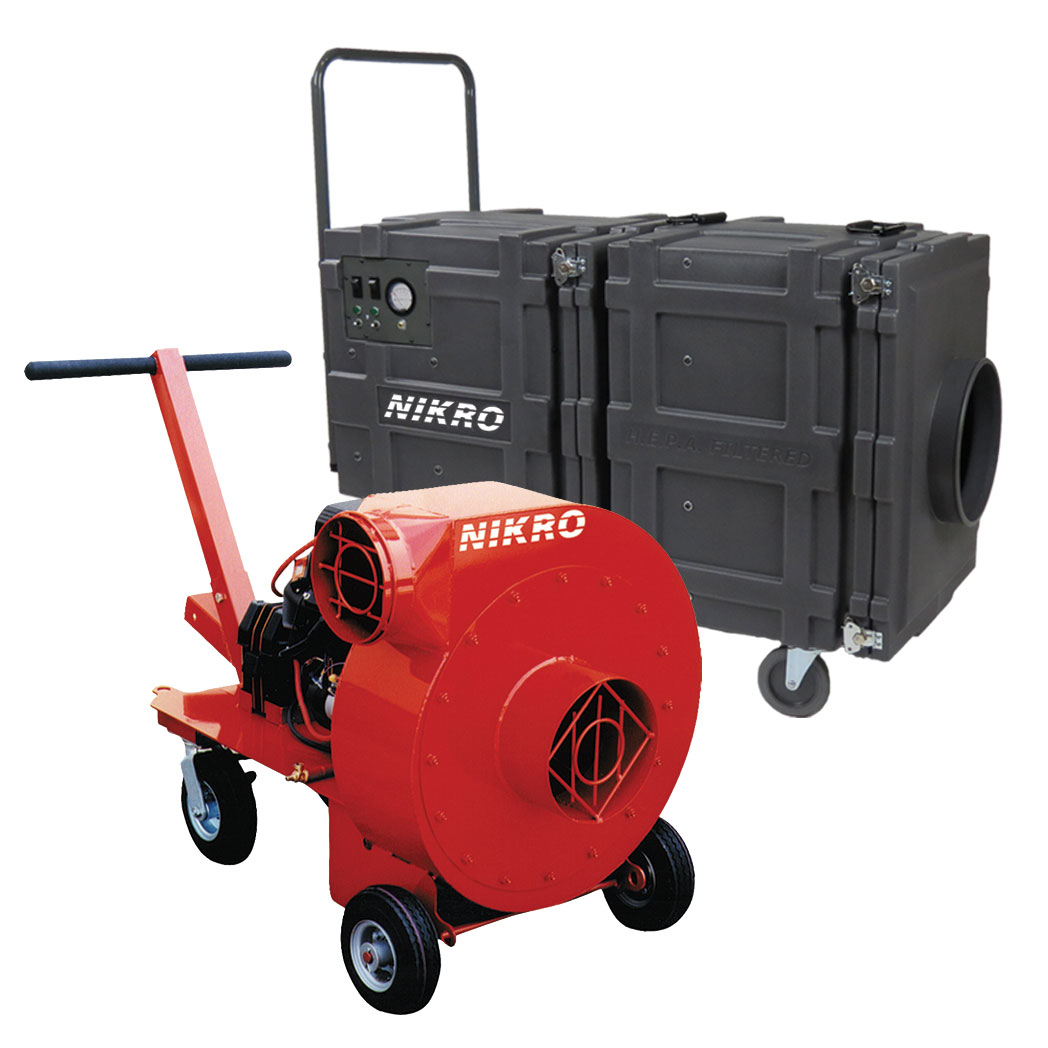
- Cleaning or replacing contaminated components
- Cleaning evaporator coils and drain pans
- Treating affected ductwork when necessary
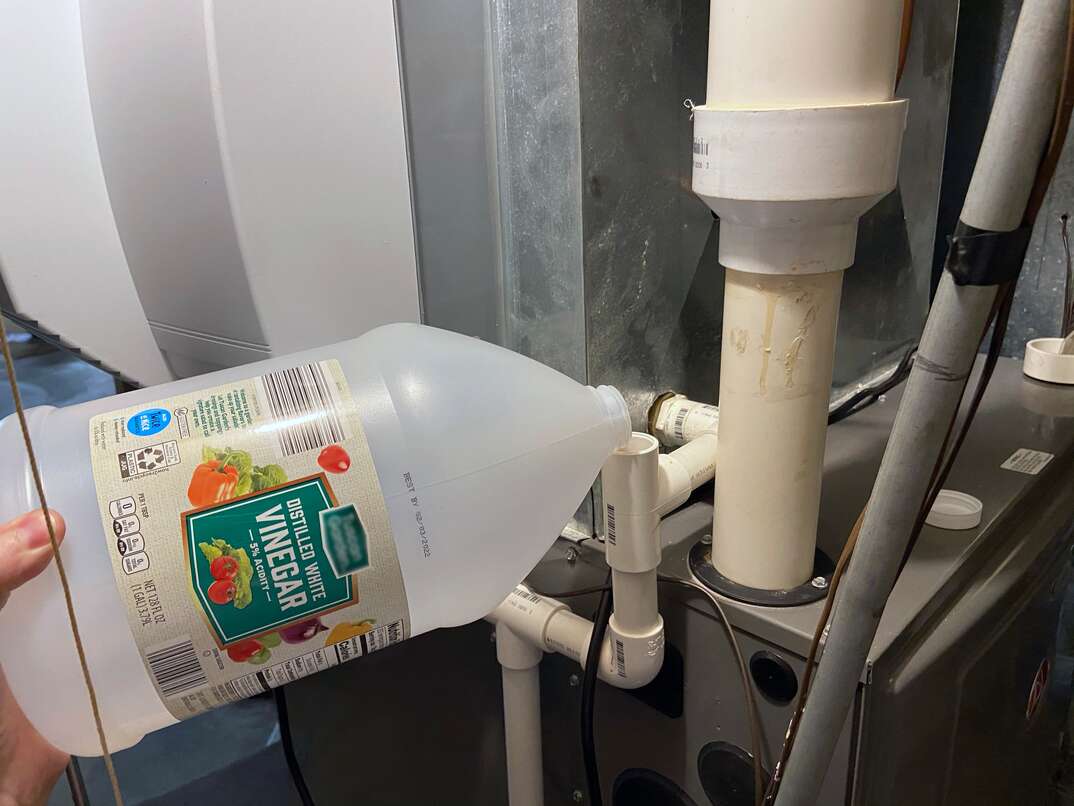
- Clearing condensate lines
- Improving airflow and humidity control

Correcting moisture problems is essential to preventing mold from returning.
How to Prevent Mold in HVAC Systems
Preventive maintenance is the most effective way to reduce mold risks.
Homeowners can help prevent problems by:
- Replacing air filters regularly
- Scheduling annual HVAC maintenance
- Keeping condensate lines clear
- Monitoring indoor humidity levels
- Ensuring ducts are sealed and insulated properly
These steps help keep systems clean, dry, and efficient.
The Importance of Humidity Control
Humidity control plays a major role in preventing HVAC mold. Indoor humidity levels above 60% increase condensation and mold risks.
Ways to control humidity include:
- Using programmable thermostats
- Running systems regularly during humid weather
- Using dehumidifiers when necessary
- Ensuring proper ventilation in bathrooms and kitchens
Keeping humidity balanced helps protect both the home and HVAC equipment.
Why Local Experience Matters in Merritt Island
Mold behavior in coastal Brevard County differs from inland areas. Homes in Merritt Island often experience:
- Higher baseline humidity
- Continuous AC operation
- Salt air exposure affecting equipment
- Frequent storms and high moisture levels
Professionals familiar with these local conditions can diagnose moisture problems more quickly and recommend solutions suited to coastal homes and HVAC systems.
A Calm, Practical Next Step
Mold in HVAC systems is common in humid coastal climates, but most problems can be managed effectively when addressed early. Regular maintenance, humidity control, and prompt repairs help prevent mold from developing and spreading.
If you notice musty odors when your system runs, increased humidity, or spotting near vents, having the HVAC system evaluated can help determine whether mold may be present and what steps may be needed.
For homeowners in Merritt Island and throughout Brevard County, staying proactive with HVAC maintenance remains one of the most reliable ways to keep homes comfortable, dry, and well maintained year-round.
