
Mold in Crawl Spaces in Brevard County: What Merritt Island Property Owners Should Know
Crawl spaces are one of the most overlooked parts of a home, yet they are among the most common places mold develops—especially in humid coastal regions like Brevard County. In Merritt Island and nearby communities, moisture from the ground, high humidity, and limited airflow can create conditions where mold grows quietly for months before anyone notices.
Understanding why mold develops in crawl spaces, how to recognize warning signs, and how to prevent problems helps homeowners protect their homes, indoor air quality, and long-term property value.
Why Crawl Spaces Are Prone to Mold
Crawl spaces naturally experience higher moisture levels than most other parts of a home. These areas are close to the ground, often shaded, and sometimes poorly ventilated.
Mold grows when three conditions are present:
- Moisture
- Organic materials such as wood or insulation
- Warm temperatures
Crawl spaces in Florida frequently meet all three conditions, particularly during humid seasons.
Why Mold Problems Are Common in Brevard County Crawl Spaces
Homes throughout Brevard County—especially in coastal areas like Merritt Island, Sykes Creek, and Banana River neighborhoods—face environmental factors that increase mold risks.
High humidity
Moist coastal air can enter crawl spaces through vents and openings.
High water tables
Ground moisture can migrate upward, especially after heavy rain.
Frequent storms and rainfall
Water intrusion or damp soil can keep crawl spaces wet for extended periods.
Limited airflow
Many crawl spaces have minimal ventilation, which slows drying.
Because of these conditions, mold in crawl spaces often develops gradually and may go unnoticed for long periods.
Common Causes of Crawl Space Mold
Mold in crawl spaces often develops due to one or more of the following:
- Ground moisture rising into the space
- Poor or damaged vapor barriers
- Plumbing leaks or condensation
- Flooding or stormwater intrusion
- Poor drainage around foundations
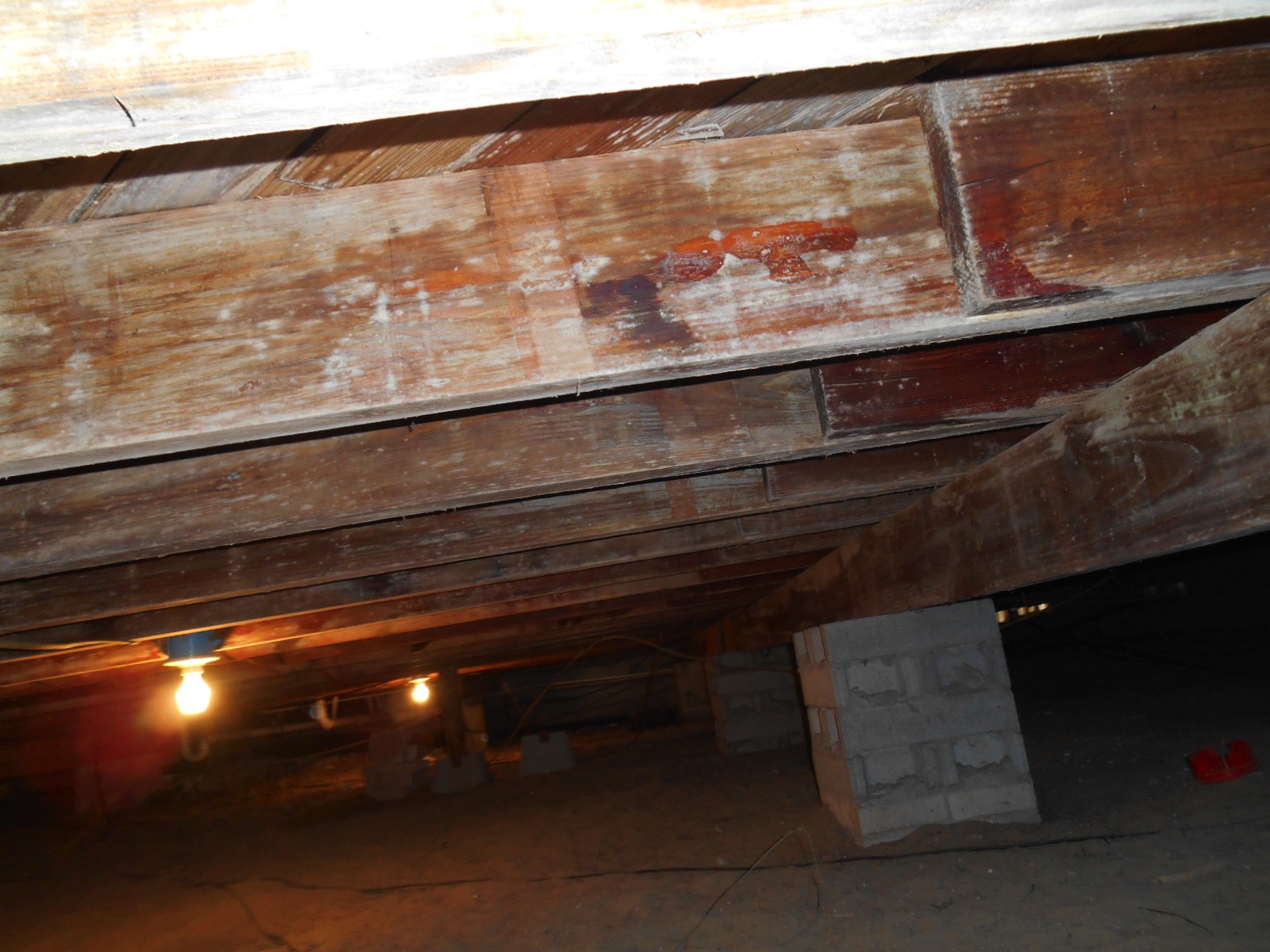

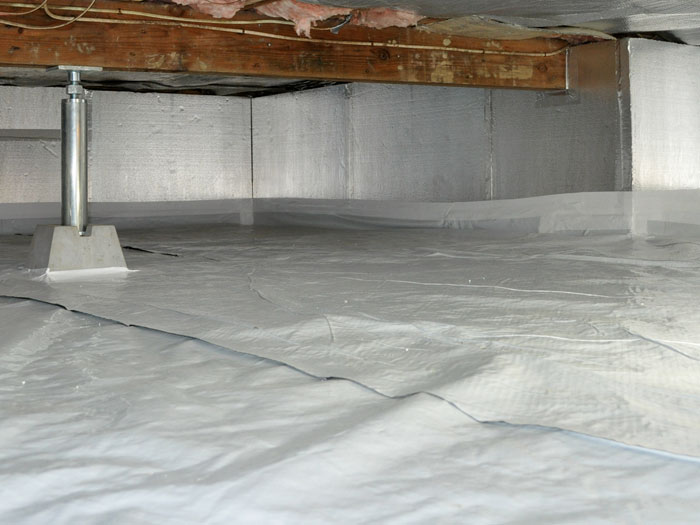
Identifying the source of moisture is the most important step in preventing mold from returning.
Early Signs of Mold in Crawl Spaces
Because crawl spaces are rarely inspected, mold problems often go unnoticed until symptoms appear elsewhere in the home.
Homeowners may notice:
- Musty odors inside the home
- Increased indoor humidity
- Warped or cupping floors
- Allergy-like symptoms indoors
- Higher energy bills due to damp insulation
These signs often indicate moisture issues below the home.
Hidden Mold That Spreads Quietly
Crawl space mold is often hidden beneath insulation or behind structural components.
Common hidden areas include:
- Underside of subflooring
- Floor joists and beams
- Insulation facing
- Around plumbing penetrations


Because these areas are not visible during daily routines, mold may spread for long periods before detection.
Why Crawl Space Mold Should Not Be Ignored
Even though crawl spaces are not living areas, mold there can still affect the home.
Over time, crawl space mold can:
- Damage structural wood and insulation
- Allow odors to enter living areas
- Increase indoor humidity
- Reduce insulation effectiveness
Addressing mold early helps prevent structural and air-quality issues.
Why DIY Cleanup Often Falls Short
Cleaning visible mold in a crawl space may seem straightforward, but it rarely addresses the root cause.
DIY methods may fail because:
- Moisture sources remain
- Mold inside insulation is not removed
- Airflow or drainage problems are not corrected
- Proper containment is not used
Professional evaluation helps ensure that both mold and moisture problems are fully addressed.
How Professional Mold Inspection Helps
A professional crawl space inspection helps determine:
- The extent of mold growth
- Moisture levels in wood and insulation
- Sources of water intrusion or humidity
- Ventilation and drainage conditions
Inspectors may use:
- Moisture meters
- Hygrometers
- Visual inspection of structural components
Professionals familiar with local conditions, such as Mold Removal Merritt Island, understand how coastal humidity and high water tables affect crawl spaces in Brevard County homes.
How Mold Remediation Works in Crawl Spaces
If mold growth is confirmed, remediation focuses on safe removal and moisture control.
Typical steps include:
- Containment of affected areas
- Removal of contaminated insulation when necessary
- Cleaning and treating structural surfaces
- Installing or repairing vapor barriers
- Improving drainage or ventilation


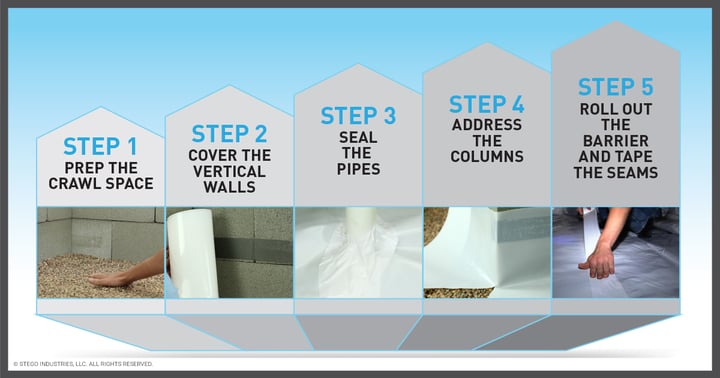
Correcting moisture sources is the most important step in preventing mold from returning.
How to Prevent Mold in Crawl Spaces
Preventive maintenance is the most effective way to reduce mold risks.
Homeowners can help prevent problems by:
- Installing or maintaining vapor barriers
- Ensuring proper drainage around the home
- Repairing plumbing leaks promptly
- Keeping gutters and downspouts clear
- Inspecting crawl spaces periodically
These steps help control moisture and reduce mold growth.
The Importance of Moisture Control Under the Home
Moisture control is especially important in crawl spaces because warm, humid air naturally rises into living areas. A damp crawl space can affect the entire home environment.
Improving moisture control may include:
- Sealing vents where appropriate
- Installing dehumidifiers
- Improving grading and drainage
- Encapsulating crawl spaces in some cases
These measures help keep humidity levels lower throughout the home.
Why Local Experience Matters in Brevard County
Mold behavior in coastal Brevard County differs from inland areas. Homes in Merritt Island and nearby communities often experience:
- Higher baseline humidity
- High water tables
- Frequent storms and heavy rain
- Slow drying of soil and building materials
Professionals familiar with these conditions can diagnose moisture problems more quickly and recommend solutions suited to local homes. Local experience often helps prevent recurring mold issues.
A Calm, Practical Next Step
Mold in crawl spaces is common in humid coastal climates, but most problems can be managed effectively when addressed early. Routine inspections, proper drainage, and moisture control help prevent mold from spreading and damaging structural materials.
If you notice musty odors, humidity issues, or suspect moisture under your home, having the crawl space evaluated can help determine whether mold may be present and what steps may be needed.
For homeowners in Merritt Island and throughout Brevard County, staying proactive with crawl space maintenance remains one of the most reliable ways to keep homes dry, comfortable, and well maintained year-round.
