
Mold in Attics in Indian River: What Merritt Island Property Owners Should Know
Attics are one of the most common places mold develops in homes across Merritt Island, especially in areas near the Indian River. Because attics are exposed to heat, humidity, and roof-related moisture, they can trap damp air for long periods. When ventilation is limited or moisture enters through leaks or condensation, mold can begin to grow—often without homeowners noticing until the problem becomes significant.
Understanding why attic mold develops, how to recognize the warning signs, and how to prevent it helps property owners protect their homes and avoid costly repairs.
Why Attics Are Prone to Mold
Attics naturally experience temperature changes and moisture fluctuations. During warm weather, hot air rises into the attic. If that air contains humidity, moisture can condense on roof decking and insulation.
Mold grows when three conditions are present:
- Moisture
- Warm temperatures
- Organic materials such as wood or dust
Attics often contain all three, especially in coastal climates like Merritt Island.
Why Mold Problems Are Common Near the Indian River
Homes near the Indian River face environmental conditions that increase mold risks.
Coastal humidity
Moist air from nearby waterways keeps attic humidity elevated, especially during warmer months.
Frequent rain and storms
Roof leaks or minor flashing failures can allow water into attics.
Continuous air-conditioning use
Temperature differences between indoor and attic spaces can create condensation.
Salt air exposure
Over time, salt air can affect roofing materials and ventilation components, increasing the likelihood of small leaks.
Because these conditions are ongoing, attic mold often develops gradually.
Common Causes of Attic Mold
Attic mold typically develops due to one or more of the following:
- Roof leaks or damaged flashing
- Poor attic ventilation
- Bathroom or kitchen vents exhausting into the attic
- High indoor humidity rising into the attic
- Condensation on roof decking


Identifying the source of moisture is essential to preventing mold from returning.
Early Signs of Mold in Attics
Because attics are rarely inspected, mold problems often go unnoticed until they are advanced. However, there are warning signs homeowners can watch for.
Common indicators include:
- Musty odors in upper floors
- Dark staining on roof decking
- Damp or compressed insulation
- Increased humidity indoors
- Water stains on ceilings below the attic
These signs often indicate moisture problems that may allow mold to develop.
Hidden Mold in Attic Areas
Some attic mold grows in areas that are difficult to see, especially in larger homes or homes with complex roof structures.
Hidden mold may develop:
- Under insulation
- Inside roof decking layers
- Around ventilation ducts
- Near attic air handlers

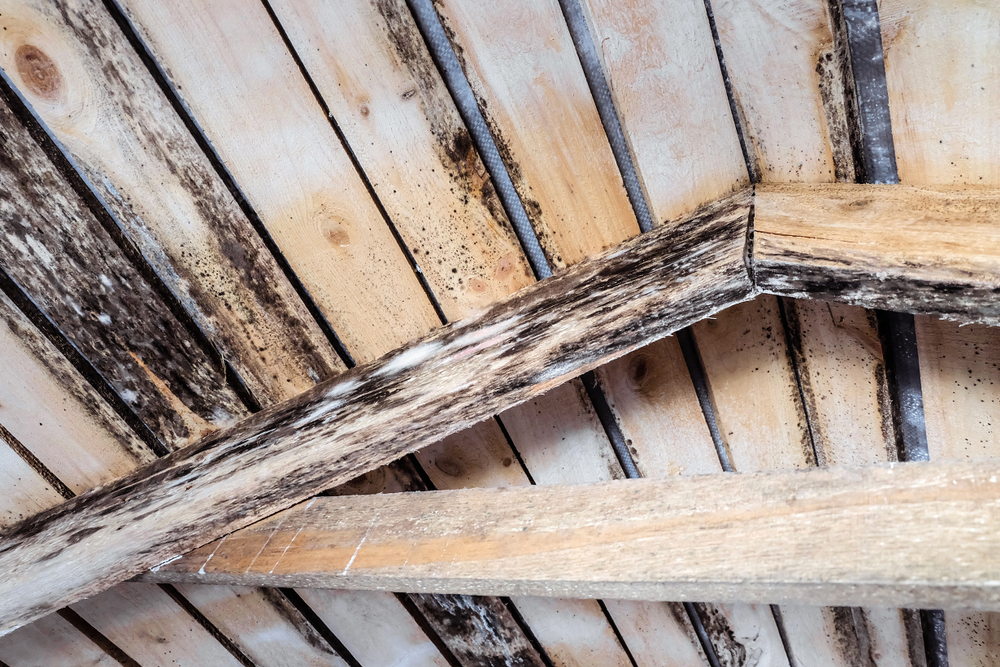
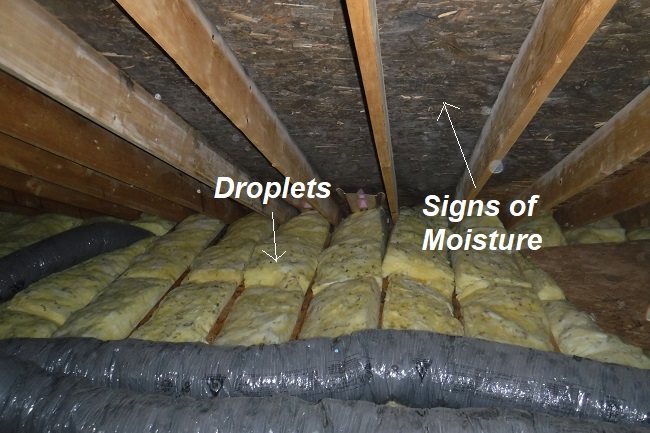
Because these areas are not easily visible, mold may spread before it is discovered.
Why Attic Mold Should Not Be Ignored
Mold in attics may not be immediately visible in living spaces, but it can still affect building materials and indoor conditions.
Over time, attic mold can:
- Damage roof decking and wood framing
- Reduce insulation effectiveness
- Create persistent odors
- Increase repair costs if moisture continues
Addressing mold early usually prevents more extensive repairs later.
Why DIY Cleaning Often Falls Short
Some homeowners attempt to clean attic mold themselves, but this approach often addresses only surface growth.
DIY cleaning may fall short because:
- Moisture sources are not corrected
- Mold inside insulation remains
- Ventilation problems are not resolved
- Spores may spread during cleaning
Professional inspections help identify both the mold and the underlying cause.
How Professional Mold Inspection Helps
A professional inspection helps determine:
- The extent of mold growth
- The moisture source
- Whether insulation or structural materials are affected
Inspectors may use:
- Moisture meters
- Thermal imaging
- Visual inspection of ventilation and roofing
Professionals familiar with local conditions, such as Mold Removal Merritt Island, understand the humidity patterns and construction styles common in Indian River homes, which helps identify problems accurately.
How Mold Remediation Works in Attics
If mold growth is confirmed, remediation focuses on safe removal and prevention of recurrence.
Typical steps include:
- Containment of affected areas
- Removal of contaminated insulation when necessary
- Cleaning and treating affected wood surfaces
- Drying and improving ventilation
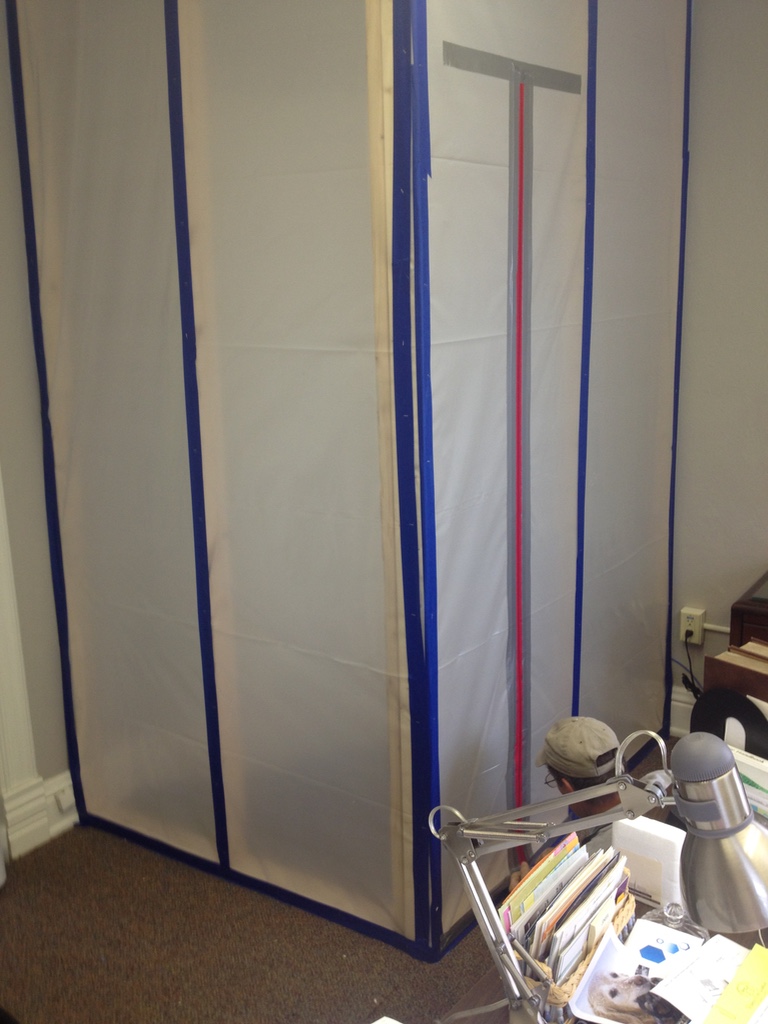

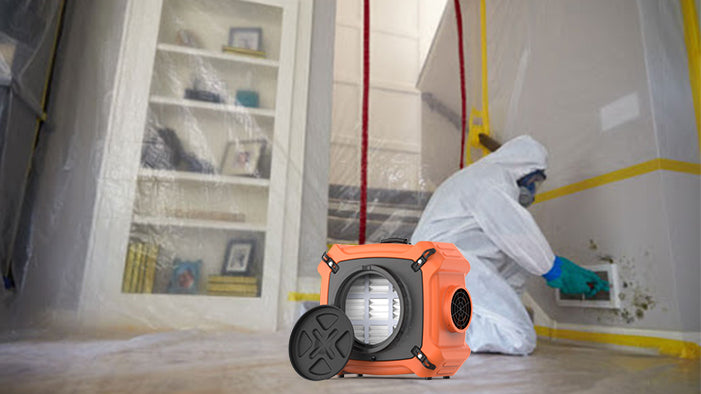
Correcting ventilation and moisture issues is essential to preventing mold from returning.
How to Prevent Mold in Attics
Preventive maintenance is the most effective way to reduce mold risks.
Homeowners can help prevent attic mold by:
- Inspecting roofs after storms
- Ensuring attic vents are clear and functioning
- Confirming bathroom and kitchen vents exhaust outdoors
- Maintaining indoor humidity between 45–55%
- Checking attic insulation periodically
Routine inspections often catch small problems before they become serious.
The Importance of Proper Ventilation
Ventilation is one of the most important factors in preventing attic mold. Proper airflow helps remove humid air and reduces condensation on roof decking.
Improving ventilation may include:
- Installing ridge vents or soffit vents
- Ensuring attic fans operate correctly
- Clearing blocked vents
- Sealing air leaks between living spaces and the attic
Good ventilation allows attics to dry more quickly after humidity or storms.
Why Local Experience Matters in Indian River Homes
Mold behavior in coastal Brevard County differs from inland areas. Homes near the Indian River often experience:
- Higher baseline humidity
- Slower drying after storms
- Salt air exposure affecting roofing materials
- Continuous AC operation
Professionals familiar with these conditions can diagnose moisture problems more quickly and recommend solutions suited to coastal homes. Local experience often helps prevent recurring mold issues.
A Calm, Practical Next Step
Mold in attics is common in humid coastal areas, but most problems can be managed effectively when addressed early. Regular inspections, proper ventilation, and prompt repairs help prevent mold from spreading and damaging materials.
If you notice musty odors, ceiling stains, or suspect attic moisture, having the attic evaluated can help determine whether mold is present and what steps may be needed.
For homeowners in the Indian River area and throughout Merritt Island, staying proactive with ventilation and moisture control remains one of the most reliable ways to keep homes dry, comfortable, and well maintained year-round.
