
Hidden Mold in Indian River: What Merritt Island Property Owners Should Know
Homes near the Indian River in Merritt Island benefit from waterfront views and coastal breezes, but the same environment also creates constant moisture challenges. High humidity, storms, and heavy air-conditioning use can allow moisture to build up inside walls, attics, and flooring. When that moisture lingers, mold can develop—often in places homeowners never see.
Hidden mold is one of the most common issues inspectors find in coastal homes. Understanding where it forms, how to recognize the warning signs, and how it is properly addressed helps property owners prevent long-term damage.
What Hidden Mold Is
Hidden mold refers to mold growth that develops in concealed areas rather than on visible surfaces. Because mold does not always grow in open spaces, it often spreads behind materials where moisture is trapped.
Hidden mold may develop:
- Behind drywall after leaks
- Under flooring
- Inside attic insulation
- Around HVAC systems
- Behind cabinets or built-ins
By the time visible signs appear, mold may have already spread within these areas.
Why Hidden Mold Is Common in Indian River Homes
Several environmental factors increase the likelihood of hidden mold in this area.
Coastal humidity
Moist air from nearby waterways keeps indoor humidity elevated much of the year.
Frequent storms and heavy rain
Roof leaks and water intrusion around windows can allow moisture into wall cavities and attics.
Continuous air-conditioning use
AC systems remove humidity but can also create condensation in ducts, drain lines, and air handlers.
Waterfront conditions
Homes near canals and lagoons often dry more slowly after leaks or flooding.
Because moisture can remain trapped inside walls or under flooring, mold can grow without being immediately visible.
Early Signs of Hidden Mold
Even when mold cannot be seen, homes often show warning signs that something is wrong.
Common indicators include:
- Musty or damp odors
- Rooms that feel unusually humid
- Stains appearing on ceilings or walls
- Peeling paint or bubbling drywall
- Warped flooring
Odor is often the first clue, especially in enclosed spaces like closets or bedrooms.
Common Locations Where Hidden Mold Develops
Hidden mold tends to appear in predictable locations where moisture collects or airflow is limited.
Typical areas include:
- Behind drywall after plumbing leaks
- Under flooring in kitchens or bathrooms
- Inside attic insulation
- Around air handlers and ductwork


Because these areas are rarely inspected, mold can spread quietly before it becomes visible.
How Hidden Mold Is Detected
Professional mold inspections use specialized tools to locate moisture and mold in concealed areas.
Inspectors may use:
- Moisture meters to detect damp materials
- Thermal imaging cameras to identify hidden moisture
- Humidity meters to measure indoor conditions
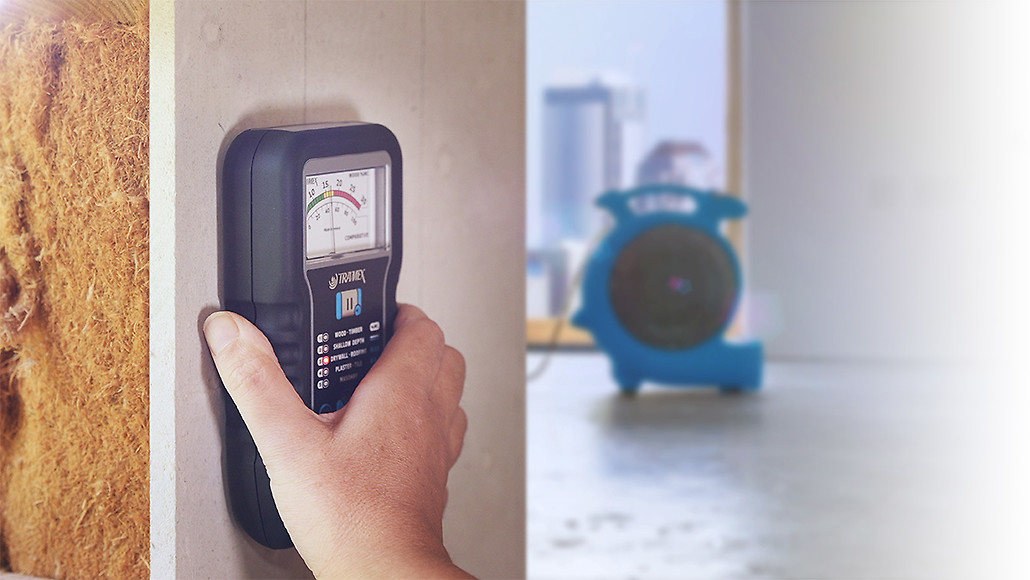
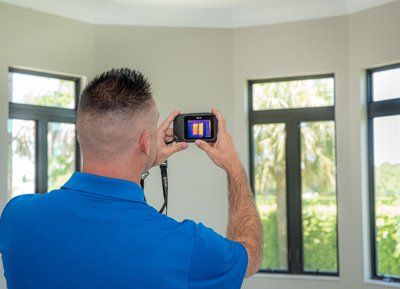
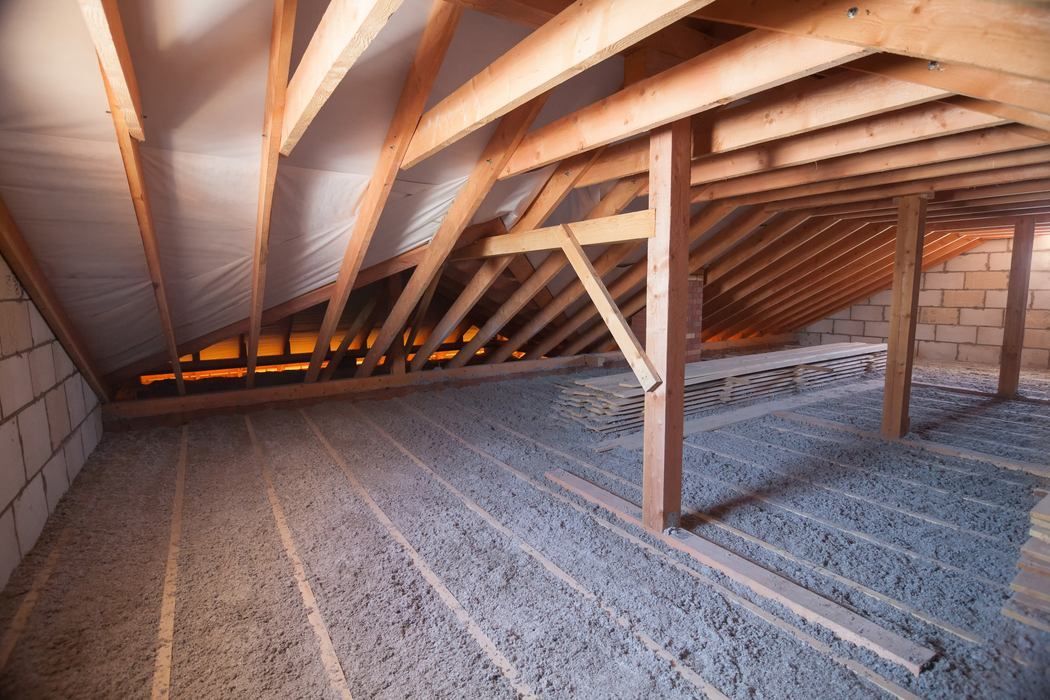
These tools help identify problems early, before extensive damage occurs.
Why Hidden Mold Should Be Addressed Early
Mold does not stop growing on its own. When moisture remains present, mold can continue spreading and may eventually affect:
- Drywall and insulation
- Flooring and subfloors
- Wood framing
- Ceiling materials
Addressing hidden mold early usually prevents more extensive repairs later.
Why DIY Methods Often Miss Hidden Mold
Surface cleaning may remove visible staining but rarely addresses hidden growth.
DIY approaches often fail because:
- Mold behind walls remains untouched
- Moisture sources are not corrected
- Household tools cannot detect hidden moisture
- Spores may spread during cleaning
Professional inspections provide a more complete understanding of where mold is located and why it developed.
How Mold Remediation Works
If hidden mold is confirmed, remediation focuses on removing contamination and correcting the moisture source.
Typical steps include:
- Containment of affected areas
- Air filtration to reduce airborne particles
- Removal of contaminated materials when necessary
- Cleaning and drying
- Repairing leaks or humidity issues
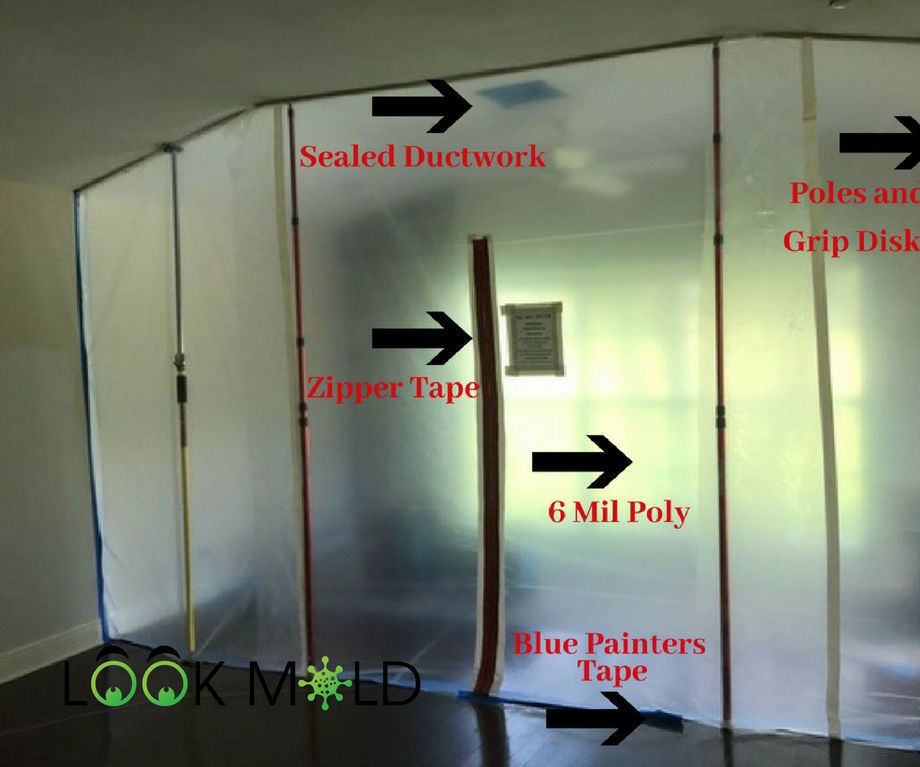
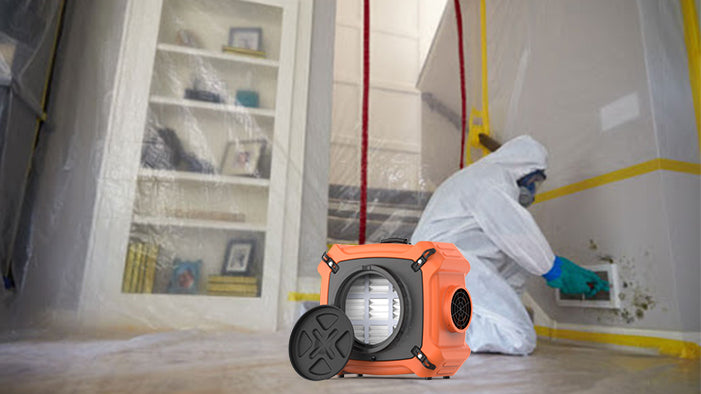

Correcting the moisture source is the most important part of preventing mold from returning.
Professionals familiar with local conditions, such as Mold Removal Merritt Island, understand common moisture patterns in Indian River homes and can help identify problems accurately.
Preventing Hidden Mold in Coastal Homes
Preventive maintenance is the most effective way to reduce mold risks.
Homeowners can reduce problems by:
- Keeping indoor humidity between 45–55%
- Servicing HVAC systems regularly
- Inspecting roofs and attics after storms
- Repairing plumbing leaks promptly
- Using exhaust fans in kitchens and bathrooms
- Monitoring closets and storage areas
Routine inspections often catch small moisture issues before they become larger problems.
Why Local Experience Matters
Mold behavior in Merritt Island differs from inland regions. Homes near the Indian River often experience:
- Higher baseline humidity
- Salt air exposure affecting building materials
- Continuous AC operation
- Storm-related moisture intrusion
Professionals familiar with these local conditions can diagnose moisture problems more quickly and recommend solutions suited to coastal homes. Local experience often helps prevent recurring mold issues and ensures remediation is effective.
A Calm, Practical Next Step
Hidden mold can be frustrating because it develops out of sight, but most problems begin with manageable moisture issues. Early inspections, proper remediation, and preventive maintenance help protect your home and avoid costly repairs.
If you notice musty odors, unexplained humidity, or water stains in your home, having the property evaluated can help determine whether hidden mold may be present.
For homeowners in the Indian River area and throughout Merritt Island, staying proactive with moisture control and routine inspections remains the most reliable way to keep homes dry, comfortable, and well maintained year-round.
