
Mold Testing in Merritt Island: What Merritt Island Property Owners Should Know
Mold is a common concern for homeowners in Merritt Island. With year-round humidity, frequent rain, and homes located near waterways like the Banana River, Indian River, and Sykes Creek, moisture problems can develop more easily than in many other parts of the country. When moisture lingers, mold growth can follow—sometimes in hidden areas that are difficult to detect without proper evaluation.
This is where mold testing becomes important. Mold testing helps determine whether mold is present, what types may be in the air or on surfaces, and whether indoor conditions are being affected. Understanding how mold testing works and when it’s useful helps property owners make informed decisions about their homes.
What Mold Testing Actually Means
Mold testing is the process of collecting samples from indoor air or surfaces to evaluate mold levels. These samples are typically analyzed in a laboratory, where technicians identify mold types and compare indoor levels with outdoor conditions.
Testing is often recommended when:
- Mold is suspected but not visible
- Indoor air quality concerns are present
- A musty odor persists without a clear source
- Verification is needed after remediation
- A home inspection raises concerns
Testing provides objective information that helps determine whether further action may be needed.
Why Mold Testing Is Often Needed in Merritt Island
Homes in Merritt Island are exposed to environmental conditions that can encourage mold growth.
High coastal humidity
Moist air from nearby waterways keeps indoor humidity elevated much of the year.
Frequent storms and heavy rain
Roof leaks, window intrusion, and damp attics can occur after storms.
Continuous air-conditioning use
AC systems remove humidity but can also create condensation in ducts or drain lines.
Waterfront exposure
Homes near canals and lagoons often dry more slowly after moisture exposure.
Because mold spores are naturally present in the environment, testing helps determine whether indoor conditions are normal or elevated.
Common Areas Where Mold Testing Is Performed
Mold testing may focus on areas where moisture or odors are most noticeable.
These areas often include:
- Living areas where odors are present
- HVAC systems and air handlers
- Attics and crawl spaces
- Bedrooms or closets
- Areas affected by past leaks
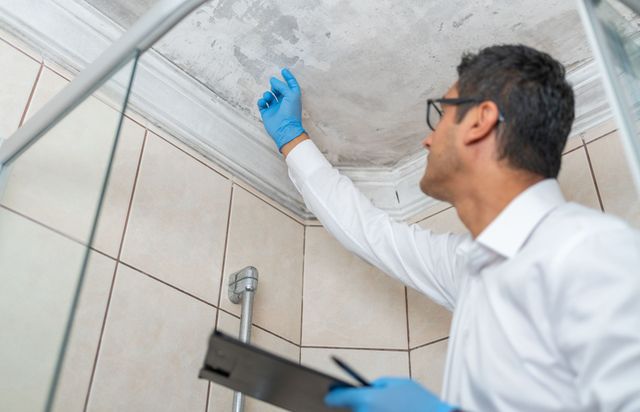
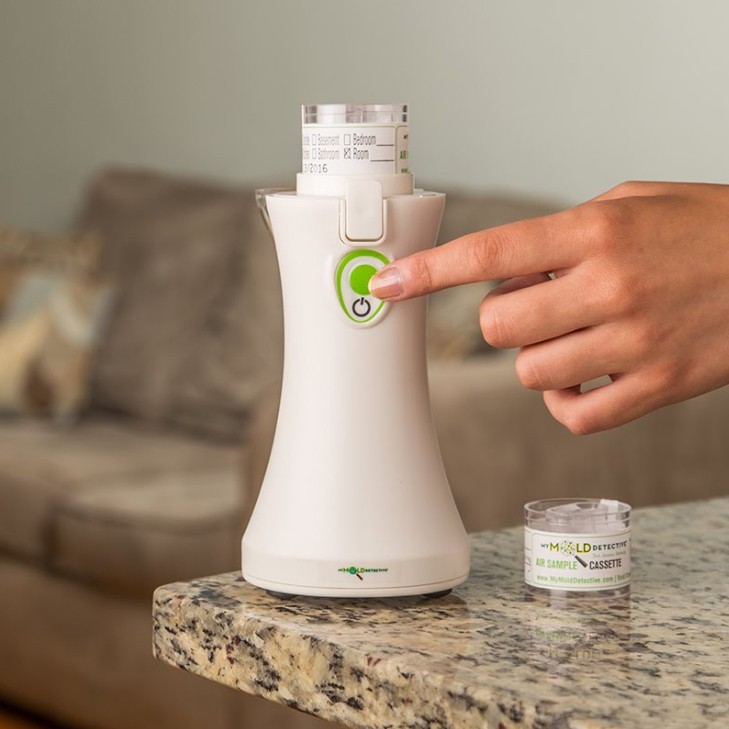

Sampling locations are chosen carefully to provide an accurate picture of indoor conditions.
Types of Mold Testing
There are several types of mold testing, each used for different purposes.
Air Sampling
Air samples measure mold spores present in the indoor air. These samples are often compared with outdoor air samples to determine whether indoor levels are elevated.
Air sampling is commonly used when:
- Musty odors are present
- Occupants notice indoor air quality concerns
- Mold is suspected but not visible
Surface Sampling
Surface samples are taken from visible growth or areas suspected of contamination. These tests help identify the type of mold present and confirm whether discoloration is mold or another substance.
Bulk Sampling
In some cases, small pieces of materials such as drywall or insulation may be tested to determine whether mold growth is present inside building materials.
Each type of testing helps provide information about the condition of the home.
Signs That Mold Testing May Be Helpful
Homeowners often request testing after noticing early warning signs.
Common indicators include:
- Persistent musty odors
- Water stains on ceilings or walls
- Visible spotting or discoloration
- Peeling or bubbling paint
- Rooms that feel unusually humid

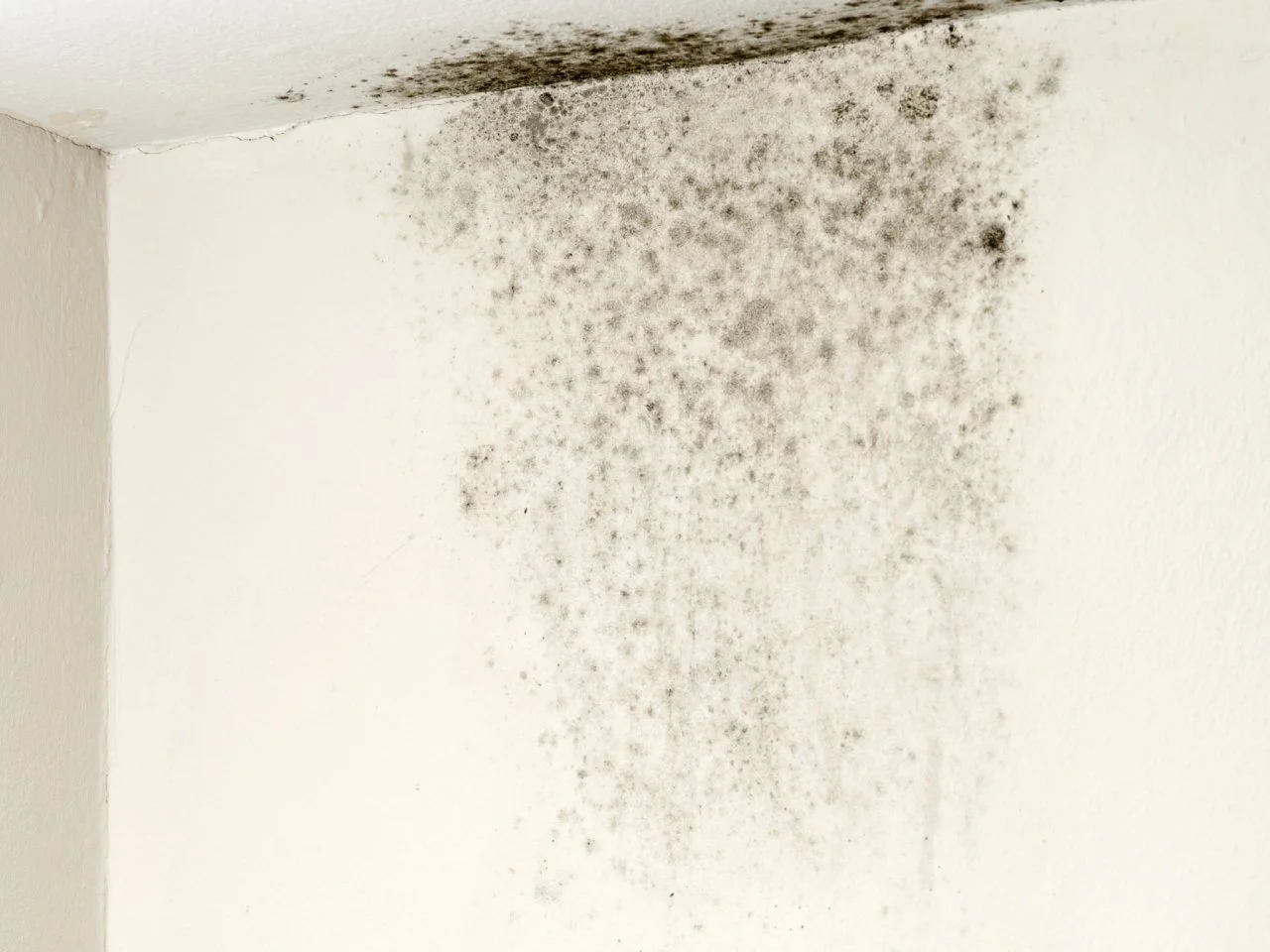

These signs often indicate that moisture has been present long enough for mold growth to begin.
Hidden Mold That Testing Can Help Detect
One of the most important reasons for mold testing is to detect hidden mold problems. Mold often develops in areas that are not visible during daily routines.
Common hidden locations include:
- Behind drywall after plumbing leaks
- Under flooring in kitchens or bathrooms
- Inside attic insulation
- Around HVAC systems and ductwork


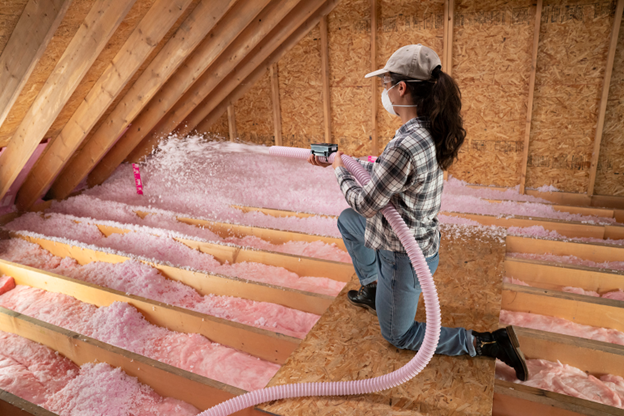
Testing, combined with moisture detection, helps identify these problems before they spread.
What Happens After Mold Testing
Once samples are analyzed, a report is typically provided explaining:
- Mold types identified
- Relative spore levels
- Areas tested
- Recommendations if needed
If elevated levels or active growth are confirmed, the next step is usually determining the moisture source and considering remediation.
Professionals familiar with local conditions, such as Mold Removal Merritt Island, often help homeowners interpret results and decide on appropriate next steps.
Why Mold Testing Is Different From Mold Inspection
Many homeowners wonder about the difference between inspection and testing.
A mold inspection focuses on:
- Visual signs of mold
- Moisture detection
- Identifying problem areas
A mold test focuses on:
- Measuring spore levels
- Identifying mold types
- Confirming indoor air conditions
In many cases, testing is performed as part of a larger inspection process.
Why DIY Mold Testing Kits Are Often Inaccurate
Home testing kits are widely available, but they often provide limited or misleading information.
DIY kits may be unreliable because:
- Mold spores are always present in indoor air
- Results often lack proper interpretation
- Sampling conditions are difficult to control
- Laboratory analysis may be limited
Professional testing uses calibrated equipment and controlled sampling methods, which provide more meaningful results.
Preventing Mold Problems in Merritt Island Homes
Testing helps identify mold, but prevention remains the most effective long-term solution.
Homeowners can reduce mold risks by:
- Keeping indoor humidity between 45–55%
- Servicing HVAC systems regularly
- Inspecting roofs and attics after storms
- Repairing plumbing leaks promptly
- Using exhaust fans in kitchens and bathrooms
- Monitoring closets and storage areas
Routine inspections and maintenance often prevent small moisture issues from becoming larger problems.
Why Local Experience Matters
Mold behavior in Merritt Island differs from inland areas because of:
- Higher baseline humidity
- Salt air exposure affecting building materials
- Continuous AC operation
- Storm-related moisture intrusion
Professionals familiar with these local conditions can identify moisture sources quickly and recommend solutions suited to coastal homes. Local knowledge often helps prevent recurring problems and ensures that testing and remediation are effective.
A Calm, Practical Next Step
Mold testing is a useful tool when moisture problems, odors, or indoor air concerns are present. It provides clear information that helps homeowners understand the condition of their home and decide whether further action is needed.
If you notice musty odors, water stains, or persistent humidity in your home, scheduling a mold inspection and testing can provide clarity and help prevent larger repairs later.
For property owners in Merritt Island and throughout Brevard County, staying proactive with moisture control, inspections, and testing remains the most reliable way to keep homes dry, comfortable, and well maintained year-round.
