
Commercial Mold Inspections in North Merritt Island: What Merritt Island Property Owners Should Know
Commercial buildings in North Merritt Island—offices, warehouses, retail spaces, professional suites, and mixed-use buildings—face ongoing challenges related to humidity and moisture. Because businesses rely on clean, safe indoor environments, mold concerns in commercial properties often need to be addressed quickly and professionally.
A commercial mold inspection is the first step in identifying potential problems, locating moisture sources, and preventing small issues from becoming costly repairs. For property owners and managers, understanding how these inspections work and why they matter helps protect both buildings and tenants.
What a Commercial Mold Inspection Involves
A commercial mold inspection is a structured evaluation of a building to determine whether mold is present and what conditions may allow it to develop.
Typical inspections focus on:
- Visible mold growth
- Signs of moisture or water intrusion
- Indoor humidity levels
- HVAC systems and ventilation
- Areas affected by leaks or past damage
The goal is not only to find mold but also to identify the moisture source that allows mold to grow.
Why Commercial Buildings in North Merritt Island Need Regular Inspections
Several local environmental factors increase mold risks in this area.
Coastal humidity
Moist air from nearby waterways such as the Banana River and Indian River keeps indoor humidity elevated much of the year.
Frequent storms and heavy rain
Roof leaks and wind-driven rain can introduce moisture into ceilings, walls, and insulation.
Continuous HVAC operation
Large commercial systems produce condensation that must be properly drained and maintained.
Higher occupancy and activity levels
Foot traffic, restrooms, and cleaning activities increase moisture in commercial spaces.
Because of these conditions, periodic inspections are an important part of building maintenance.
Common Areas Inspectors Check First
Commercial mold inspections focus on areas most likely to retain moisture.
These often include:
- Drop ceilings and ceiling tiles
- HVAC air handlers and ductwork
- Mechanical rooms
- Storage areas and supply closets
- Restrooms and break rooms
- Exterior walls and window areas

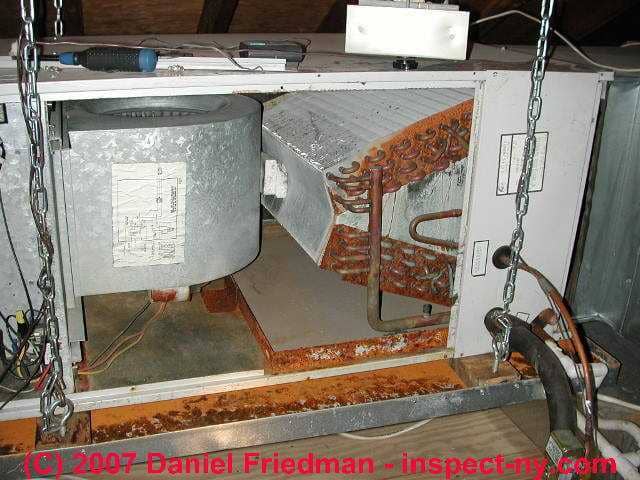
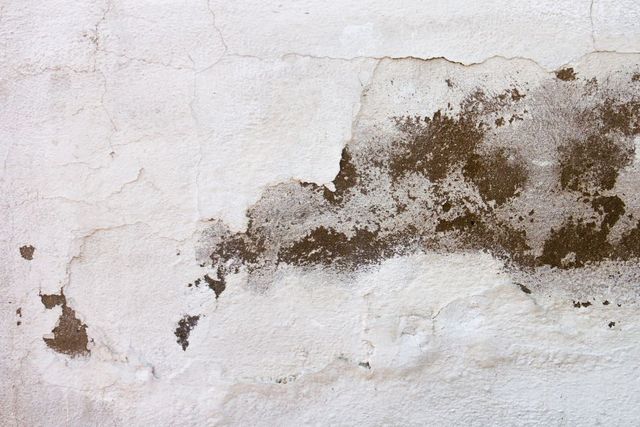
These locations often show early signs of moisture even before mold becomes widespread.
Early Signs That a Commercial Inspection May Be Needed
Property managers or tenants may notice warning signs that indicate it’s time to schedule an inspection.
Common indicators include:
- Musty or damp odors
- Stains on ceiling tiles
- Peeling paint or wall discoloration
- Persistent humidity indoors
- Condensation around vents or windows
Because commercial buildings are larger, odors may be noticed before mold is visible.
Hidden Areas Where Mold Often Develops
One of the most important parts of a commercial inspection is checking concealed spaces where mold frequently grows.
These include:
- Above drop ceilings
- Inside ductwork
- Behind drywall or wall panels
- Beneath flooring in restrooms or kitchens
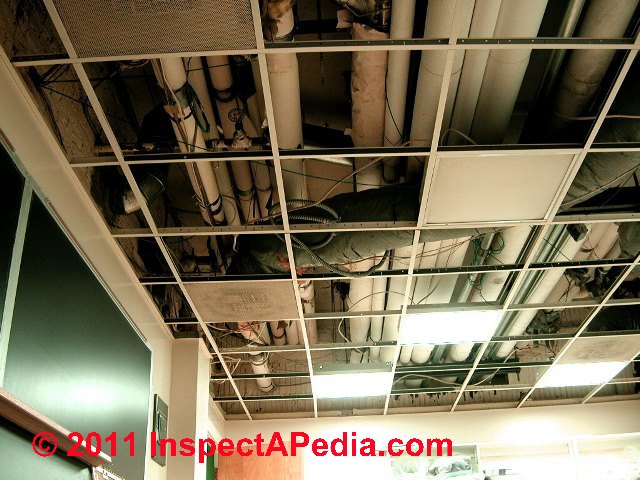


Because these areas are not visible during daily operations, moisture problems can persist unnoticed for long periods.
How Moisture Detection Works
Commercial inspections often involve specialized tools designed to locate moisture behind surfaces.
Inspectors may use:
- Moisture meters to check walls and ceilings
- Thermal imaging to identify temperature differences linked to moisture
- Hygrometers to measure indoor humidity
These tools help identify damp areas before mold becomes visible.
When Mold Testing Is Recommended
Not every inspection requires testing, but sampling may be recommended in certain situations.
Testing may be useful when:
- Indoor air quality concerns are reported
- Mold is suspected but not visible
- Verification is needed after remediation
Laboratory analysis can help confirm conditions and guide next steps when necessary.
Why DIY Inspections Often Miss Problems
Building staff may notice stains or odors, but hidden moisture is difficult to locate without specialized equipment.
DIY inspections may miss:
- Damp insulation above ceilings
- Moisture inside walls
- Condensation inside ductwork
- Early mold growth in concealed spaces
Professional inspections provide a more complete understanding of building conditions.
What Happens If Mold Is Found
If mold is identified, the next step is determining the extent of the issue and correcting the moisture source.
Typical remediation steps include:
- Containment of affected areas
- Air filtration and cleaning
- Removal of contaminated materials when necessary
- Repair of leaks or humidity problems
- Drying and monitoring

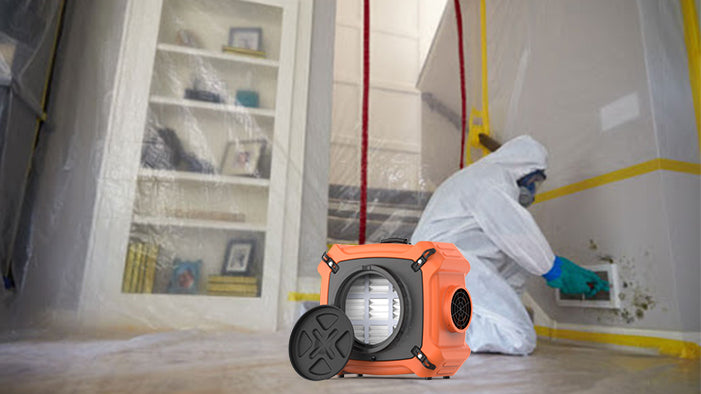
Correcting moisture sources is the most important part of preventing mold from returning.
Professionals familiar with local conditions, such as Mold Removal Merritt Island, understand common moisture patterns in North Merritt Island commercial buildings and can help identify problems accurately.
Preventing Mold in Commercial Properties
Preventive maintenance is the most effective way to reduce mold risks.
Property owners and managers can help prevent problems by:
- Servicing HVAC systems regularly
- Inspecting roofs and drainage systems
- Monitoring indoor humidity levels
- Repairing plumbing leaks promptly
- Checking ceiling tiles for staining
- Ensuring proper ventilation in restrooms and storage areas
Routine inspections often prevent small issues from becoming major repairs.
The Importance of Maintenance Schedules
Commercial properties benefit from structured inspection routines.
Helpful practices include:
- Seasonal roof inspections
- Quarterly HVAC servicing
- Inspection of ceiling spaces and mechanical rooms
- Monitoring humidity in enclosed areas
These steps help identify moisture issues early and maintain a comfortable environment for tenants and employees.
Why Local Experience Matters in North Merritt Island
Mold behavior in coastal Brevard County differs from inland regions. Commercial buildings in North Merritt Island often experience:
- Higher humidity levels
- Salt air exposure affecting building materials
- Continuous AC operation
- Storm-related moisture intrusion
Professionals familiar with these conditions can identify moisture sources quickly and recommend solutions suited to local buildings.
Local knowledge often helps prevent recurring problems and ensures remediation efforts are effective.
A Calm, Practical Next Step
Commercial mold inspections are a practical way to protect buildings, tenants, and long-term property value. Most mold problems begin with moisture, and identifying that moisture early can prevent significant damage and costly repairs.
If you notice musty odors, ceiling stains, or persistent humidity in a commercial property, having the building evaluated can help determine whether mold is present and what steps may be needed.
For property owners in North Merritt Island and throughout Brevard County, proactive inspections and routine maintenance remain the most reliable way to keep commercial buildings clean, comfortable, and well maintained year-round.
