
Mold During Home Buying Inspections in Indian River: What Merritt Island Property Owners Should Know
Buying a home near the Indian River is a dream for many—waterfront views, coastal breezes, and that relaxed Merritt Island lifestyle. But along with those perks comes a reality every buyer should understand: moisture-related issues, including mold, are commonly uncovered during home buying inspections in coastal Brevard County.
Mold findings don’t automatically mean a deal is dead. What matters is what’s found, why it’s there, and how it’s addressed. Knowing what inspectors look for and how mold issues are typically handled can help buyers move forward with confidence instead of uncertainty.
Why Mold Shows Up During Home Buying Inspections
Many homes near the Indian River look perfectly fine on the surface. Fresh paint, clean floors, and updated fixtures can hide moisture problems that only become apparent during a professional inspection.
Home inspectors are trained to look beyond appearances, especially in humid coastal environments. During a buyer’s inspection, attention is often focused on areas where moisture tends to accumulate or linger.
Common inspection targets include:
-
Attics and roof structures
-
HVAC systems and ductwork
-
Bathrooms and kitchens
-
Areas with past water stains or repairs
-
Windows, doors, and exterior walls
Because humidity and storms are part of daily life in Merritt Island, mold discoveries during inspections are not unusual.
Common Mold-Related Red Flags Inspectors Notice
Inspectors don’t always find obvious mold growth. Often, they identify conditions that suggest mold may be present or likely to develop.
Typical red flags include:
-
Musty or earthy odors
-
Staining on ceilings or walls
-
Bubbling or peeling paint
-
Condensation around vents or windows
-
Signs of previous water intrusion


When these signs appear, buyers are often advised to seek further evaluation before moving forward.
Why Indian River Homes Are More Susceptible
Homes near the Indian River face environmental conditions that naturally increase mold risk.
Persistent coastal humidity
Moist air from the river keeps indoor humidity levels elevated, even during cooler months.
Frequent storms and heavy rainfall
Small roof or window leaks can allow moisture into walls or attics without immediate visibility.
Continuous air-conditioning use
AC systems remove humidity but also create condensation, especially if drain lines clog or insulation is insufficient.
Waterfront exposure and high water tables
Ground moisture can affect slab foundations, crawl spaces, and lower wall areas.
These factors mean mold can develop quietly and go unnoticed until an inspection brings it to light.
What Happens When Mold Is Found During an Inspection
Finding mold during a home buying inspection doesn’t automatically stop the transaction. Instead, it usually leads to additional steps.
Common outcomes include:
-
A request for a mold inspection or moisture evaluation
-
Negotiation for repairs or remediation
-
Seller completing remediation before closing
-
Price adjustments or repair credits
The key is determining whether the issue is minor surface growth or a larger moisture-related problem.
Hidden Mold Inspectors Commonly Investigate
In Indian River and surrounding Merritt Island neighborhoods, mold often develops in concealed spaces.
These frequently include:
-
Behind drywall after plumbing or roof leaks
-
Under flooring in kitchens or bathrooms
-
Inside attic insulation
-
Around HVAC air handlers and duct systems


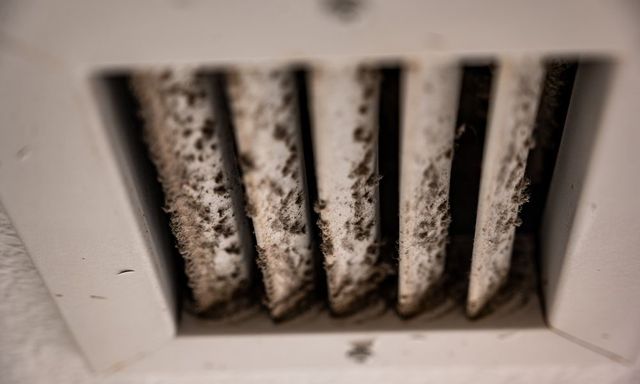
Because these areas aren’t visible during showings, inspections play a critical role in identifying potential problems.
Why Professional Evaluation Is Important for Buyers
When mold or moisture concerns arise, professional evaluation helps buyers understand the scope of the issue.
A proper evaluation may include:
-
Visual inspection of affected areas
-
Moisture detection using specialized tools
-
Assessment of ventilation and humidity conditions
-
Determining whether remediation is necessary
This information allows buyers to make informed decisions instead of relying on assumptions or fear.
How Mold Issues Are Typically Resolved Before Closing
When remediation is required, the process usually focuses on correcting both the mold and the moisture source.
A proper remediation process often includes:
-
Containment of affected areas
-
Removal of contaminated materials when needed
-
Cleaning and air filtration
-
Moisture correction and drying
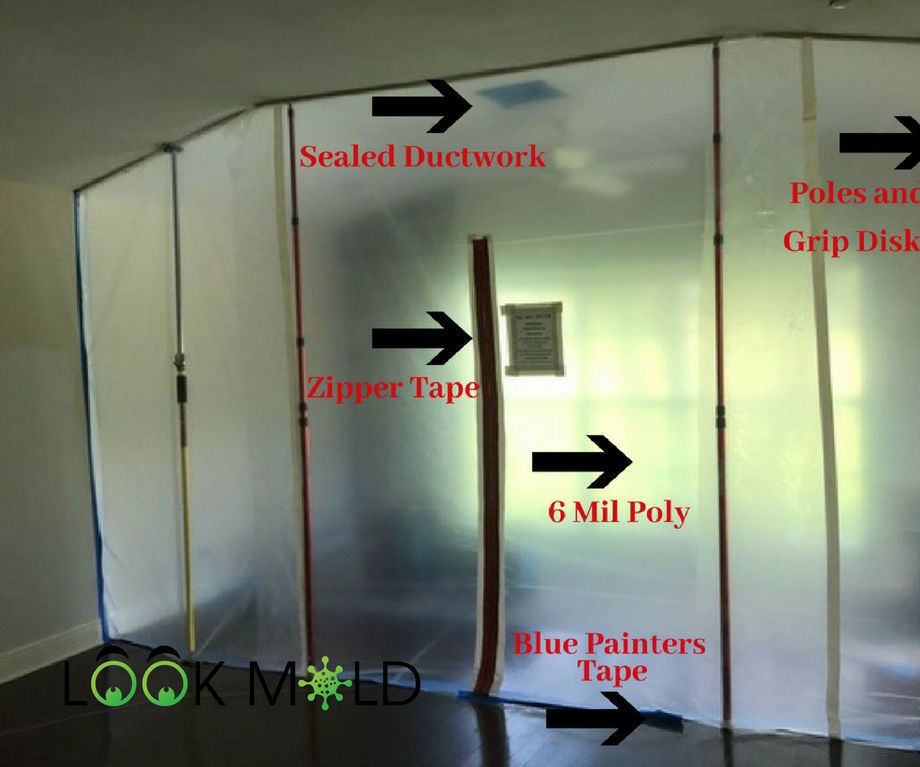
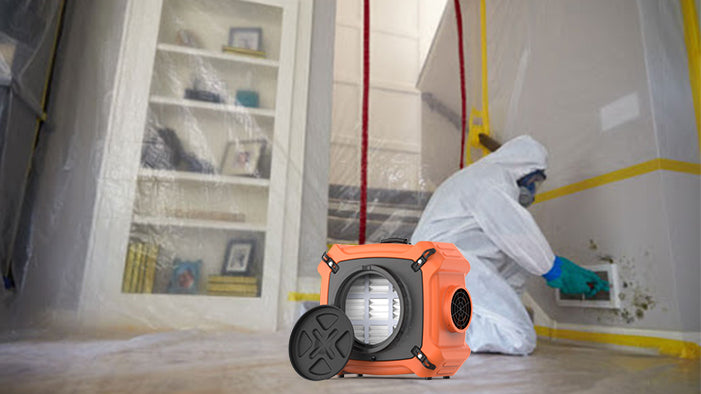

Once completed, documentation of the work helps reassure buyers, lenders, and inspectors that the issue has been handled correctly.
Documentation Matters in Home Buying
For buyers, documentation can make a significant difference in peace of mind.
Helpful records may include:
-
Inspection findings
-
Remediation summaries
-
Moisture readings
-
Post-remediation verification when performed
Clear documentation shows that the problem was identified, addressed, and resolved—not ignored or covered up.
How Buyers Can Reduce Mold Risks After Purchase
Even after closing, proactive care helps reduce future mold concerns.
New homeowners in Indian River areas can:
-
Keep indoor humidity between 45–55%
-
Service HVAC systems regularly
-
Monitor condensate drain lines
-
Inspect attics after storms
-
Use exhaust fans in kitchens and bathrooms
Ongoing maintenance is especially important in coastal environments where humidity is constant.
Why Local Experience Makes a Difference
Mold behavior in coastal Merritt Island homes differs from inland properties. Homes near the Indian River often experience:
-
Higher baseline humidity
-
Continuous AC operation
-
Storm-related moisture intrusion
-
Salt air exposure affecting building materials
Professionals familiar with these conditions can identify issues more accurately and recommend solutions suited to local construction styles and environmental factors.
Local knowledge often helps buyers avoid unnecessary concern while ensuring real problems are addressed properly.
A Calm, Practical Next Step for Buyers
Discovering mold during a home buying inspection can feel unsettling, but it’s also an opportunity to address issues before ownership begins. Many mold-related findings are manageable when moisture sources are identified and corrected early.
If an inspection raises concerns, seeking a professional evaluation provides clarity and helps guide next steps. In many cases, remediation and documentation allow the transaction to move forward smoothly.
For buyers considering homes near the Indian River or anywhere in Merritt Island, understanding how mold fits into the inspection process helps protect both your investment and your peace of mind.
