
Mold Cleanup vs Mold Remediation in Indian River: What Merritt Island Property Owners Should Know
If you own a home near the Indian River, you’ve probably heard both terms—mold cleanup and mold remediation—used interchangeably. Many property owners assume they mean the same thing. In reality, they describe very different levels of work, and understanding the difference can help you make better decisions if mold ever appears in your home.
In Merritt Island’s coastal climate, moisture problems are common. Between high humidity, heavy rains, and year-round air-conditioning use, mold growth can develop quickly when conditions are right. Knowing whether a situation requires simple cleanup or full remediation is important for protecting both your home and indoor air quality.
What Mold Cleanup Means
Mold cleanup typically refers to removing small, visible mold growth from non-porous or lightly affected surfaces. This type of work may be appropriate when:
- The affected area is small
- Moisture has been corrected quickly
- Mold has not spread into walls or structural materials
- There is no strong odor or widespread contamination
Examples of situations where cleanup may be sufficient include:
- Minor mold on tile grout in a bathroom
- Light surface growth on a window frame
- Small areas of mildew on exterior surfaces
Cleanup focuses on surface-level removal rather than addressing deeper contamination.
What Mold Remediation Means
Mold remediation is a more comprehensive process designed to identify the source of moisture, remove contaminated materials if necessary, and prevent mold from returning.
Remediation may involve:
- Containment of affected areas
- Removal of drywall, insulation, or carpeting
- Air filtration and cleaning
- Moisture control and drying
- Post-removal verification
Remediation is usually required when mold:
- Has spread beyond a small visible area
- Has penetrated porous materials
- Is associated with water damage or leaks
- Produces persistent odors or indoor air concerns
In coastal communities like Merritt Island, remediation is often needed because humidity allows mold to spread quickly once moisture enters building materials.
Why Mold Problems Are Common Near the Indian River
Homes near the Indian River face environmental conditions that increase both the likelihood and the speed of mold growth.
Key factors include:
High humidity
Moist air from surrounding waterways keeps indoor humidity levels elevated, especially during summer and rainy seasons.
Frequent storms and heavy rain
Even small roof or flashing issues can allow moisture intrusion that goes unnoticed until mold appears.
Air-conditioning condensation
AC systems run almost continuously in Florida. If condensate lines clog or insulation is inadequate, moisture can accumulate in attics, closets, or mechanical rooms.
High water tables
Ground moisture can affect slab edges, crawl spaces, and lower wall areas.
These conditions explain why mold cleanup sometimes isn’t enough—hidden growth often develops in areas homeowners can’t see.
Common Signs That Cleanup May Not Be Enough
Many property owners initially assume a mold issue is minor. However, certain warning signs suggest remediation may be necessary.
Watch for:
- Strong or persistent musty odors
- Staining that returns after cleaning
- Visible growth larger than a few square feet
- Signs of past water damage
- Peeling paint or bubbling drywall
- Increased indoor humidity


These signs often indicate moisture inside walls or ceilings, which surface cleaning alone cannot resolve.
Hidden Mold Sources That Often Require Remediation
In Indian River and surrounding Merritt Island neighborhoods, mold often develops in concealed areas long before it becomes visible.
Common hidden locations include:
- Behind drywall after plumbing leaks
- Under laminate or tile flooring
- Inside attic insulation
- Around air handlers and ducts
- Beneath cabinets or vanities
- Areas affected by past storms or roof leaks
Because these areas trap moisture, mold colonies can spread quietly for weeks or months.
Why DIY Mold Cleanup Often Falls Short
Cleaning visible mold is relatively easy. Correcting the cause of mold growth is more complicated.
DIY cleanup often fails because:
- Household cleaners do not reach mold inside porous materials
- Spores can spread during improper cleaning
- Hidden moisture problems remain untreated
- Growth inside walls or insulation goes unnoticed
In humid coastal environments, mold frequently returns when only surface cleaning is performed.
How Professional Mold Inspection Helps Determine the Difference
One of the most valuable steps in addressing mold is determining whether cleanup or remediation is actually needed.
A professional inspection typically includes:
Visual assessment
Inspecting high-risk areas such as attics, HVAC systems, and exterior walls.
Moisture detection
Meters and imaging tools help locate damp materials behind walls or beneath flooring.
Air or surface sampling when appropriate
Testing may be used to evaluate indoor conditions or confirm hidden contamination.
This process helps identify whether mold is limited to the surface or has spread deeper into the structure.
What the Remediation Process Usually Involves
When remediation is required, the process is designed to control contamination and prevent recurrence.
Typical steps include:
- Isolating affected areas
- Using air filtration equipment
- Removing contaminated materials when necessary
- Cleaning and treating surrounding surfaces
- Correcting moisture sources
- Drying and monitoring
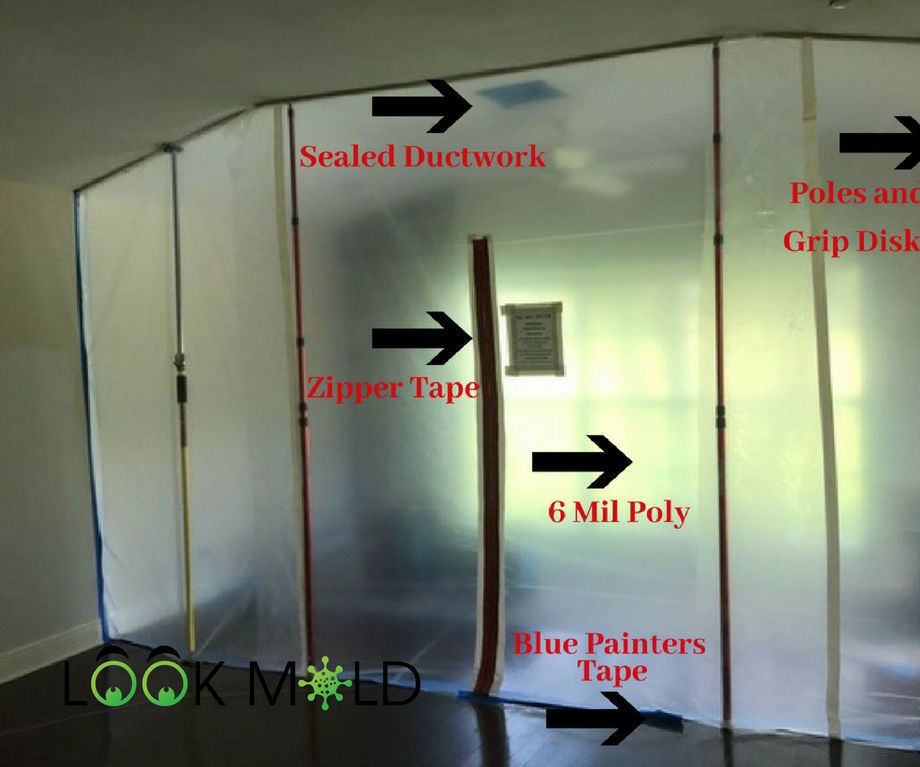
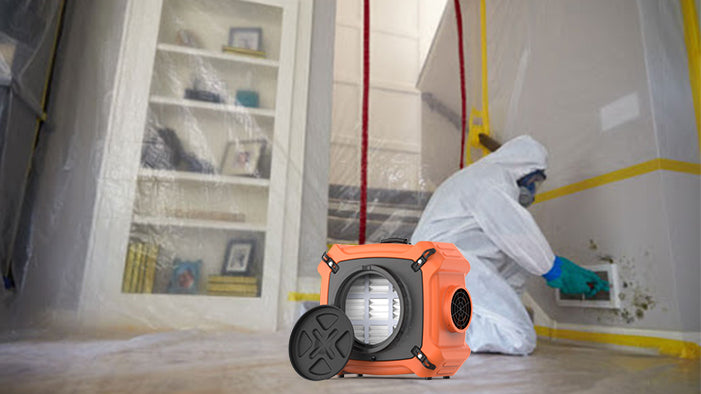

Addressing moisture is the most critical step. Without correcting leaks, humidity issues, or condensation, mold is likely to return.
How to Prevent Mold Problems in Merritt Island Homes
Prevention is often simpler and less expensive than remediation.
Property owners near the Indian River can reduce risk by:
- Keeping indoor humidity between 45–55%
- Servicing HVAC systems regularly
- Ensuring attic ventilation is adequate
- Checking roofs and flashing after storms
- Inspecting under sinks and around appliances
- Using exhaust fans in bathrooms and kitchens



Routine inspections and maintenance are especially important in coastal areas where humidity is persistent year-round.
Why Local Experience Matters in Mold Situations
Mold behavior in Merritt Island differs from many inland regions. Homes near the Indian River often have:
- Continuous AC operation
- Salt air exposure affecting roofing and ventilation
- High humidity even in winter months
- Waterfront moisture exposure
Professionals familiar with these conditions can identify causes more quickly and recommend solutions suited to local building styles and environmental factors. Companies such as Mold Removal Merritt Island work with these conditions regularly, which helps ensure problems are addressed thoroughly rather than temporarily.
A Calm, Practical Next Step
Not every mold situation requires full remediation, but it’s important to know the difference between a small cleanup job and a deeper issue. Ignoring early warning signs or relying only on surface cleaning can allow mold to spread into hidden areas.
If you notice persistent odors, recurring staining, or signs of moisture, having the property evaluated can provide clarity. Sometimes the solution is simple; other times, early remediation prevents much larger repairs later.
In coastal communities like Indian River and across Merritt Island, staying proactive is the most reliable way to protect your home, indoor air quality, and long-term property value.
