
How Fast Mold Grows in Florida in Banana River: What Merritt Island Property Owners Should Know
If you live near the Banana River, you already know how quickly moisture shows up in everyday life. Windows fog in the morning, garages feel damp, and air conditioners run almost constantly. What many property owners don’t realize is that mold can begin growing far faster than most people expect—sometimes within 24 to 48 hours when moisture is present.
In coastal areas of Merritt Island, that timeline can be even shorter because humidity levels remain high year-round. Understanding how fast mold grows, why it happens, and what to watch for helps homeowners prevent small moisture issues from turning into major remediation projects.
What the Mold Issue Really Is
Mold is a microscopic organism that reproduces by releasing spores into the air. These spores are always present outdoors and often indoors as well.
Growth begins when three conditions exist:
- Moisture
- Organic material (wood, drywall, dust, fabric)
- Warm temperatures
Florida provides all three almost constantly, especially in homes near waterways like the Banana River where humid air lingers and ventilation challenges are common.
Once a damp surface remains wet long enough, mold colonies can begin forming quickly—even in places that look dry on the surface.
Why This Happens So Often in Merritt Island
Merritt Island homes experience environmental conditions that accelerate mold growth compared to many other regions.
Key contributing factors include:
High humidity
Outdoor humidity frequently exceeds 70–80%, and indoor levels can rise quickly if air-conditioning or ventilation isn’t working efficiently.
Waterfront moisture exposure
Homes near the Banana River and Indian River often experience higher moisture levels in crawl spaces, attics, and wall cavities.
Frequent storms and rain
Heavy rainfall, tropical storms, and hurricanes increase the chance of roof leaks, window intrusion, or elevated indoor humidity.
Air-conditioning condensation
AC systems remove moisture from the air, but clogged drains, duct leaks, or poor insulation can allow condensation to accumulate.
These factors explain why mold growth timelines in coastal Brevard County can be faster than many homeowners expect.
How Fast Mold Can Grow
Many homeowners assume mold takes weeks or months to appear. In reality, the timeline can be much shorter.
Typical progression looks like this:
- 24–48 hours: Mold spores begin colonizing damp materials
- 3–5 days: Visible spotting may appear in favorable conditions
- 1–2 weeks: Colonies expand and odors often develop
- Several weeks: Growth can spread behind walls, under flooring, or into insulation
The speed depends on temperature, airflow, and how much moisture is present. A slow plumbing leak may take longer to show signs, while storm damage or AC leaks can lead to rapid growth.
Common Signs Homeowners Notice
Because mold often grows quickly, early detection matters. Property owners in Banana River homes often notice:
- Musty or earthy odors
- Damp or stale indoor air
- Dark spotting on ceilings or walls
- Peeling paint or bubbling drywall
- Condensation or persistent humidity
Sometimes the first clue isn’t visual at all—it’s simply a room that never seems to feel dry.
Hidden or Overlooked Mold Sources
Mold rarely grows in plain sight for long. Once moisture enters building materials, growth often spreads into concealed spaces.
Common hidden locations include:
- Behind drywall after roof or plumbing leaks
- Under flooring in kitchens and bathrooms
- Attics with poor ventilation
- Around air handlers and ductwork
- Inside closets on exterior walls



In homes near waterways, attics and HVAC systems are particularly vulnerable because humid air rises and condenses on cooler surfaces.
Why DIY Mold Removal Usually Fails
When mold appears, many homeowners try to clean it with bleach or household sprays. While this may remove staining temporarily, it rarely addresses the root cause.
DIY removal often fails because:
- Bleach does not fully penetrate porous materials like drywall or wood
- Hidden growth remains untreated
- Cleaning can release spores into the air
- Moisture problems often remain unresolved
In humid environments like Merritt Island, moisture control is the key factor. Without it, mold usually returns.
Professional Mold Inspection and Testing Explained
A professional inspection focuses on identifying moisture sources and evaluating the extent of growth.
The process usually includes:
Visual inspection
Checking attics, air handlers, crawl spaces, and other high-risk areas.
Moisture detection
Meters and thermal imaging help locate damp materials not visible to the eye.
Air or surface sampling when needed
Testing may be used to confirm conditions or evaluate indoor air quality concerns.
The goal is not just to confirm mold presence, but to understand why it is growing and how far it has spread.
Proper Mold Removal and Remediation Process
Effective remediation follows a structured approach designed to prevent cross-contamination and recurrence.
Typical steps include:
- Containment of affected areas
- Safe removal of contaminated materials
- Cleaning and treatment of surrounding surfaces
- Correction of moisture sources
- Drying and verification
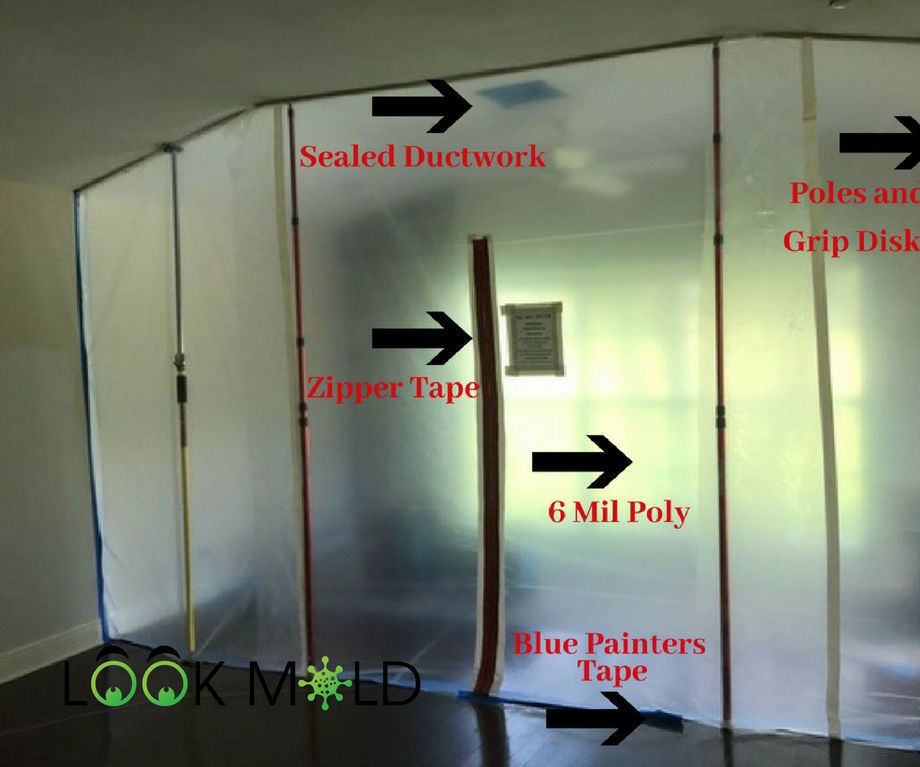
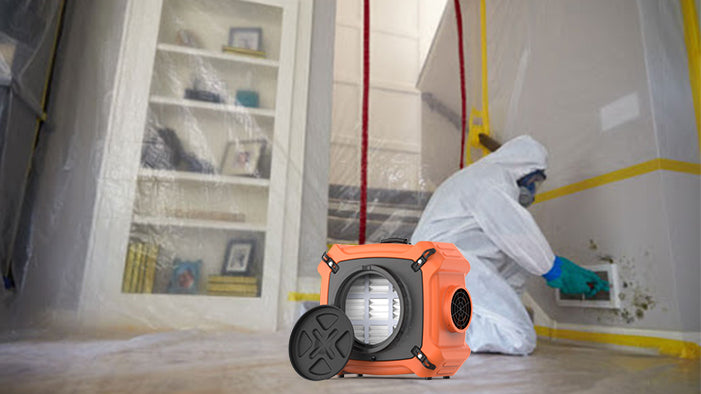

When remediation is performed correctly, both the mold and the underlying moisture problem are addressed, reducing the likelihood of recurrence.
Local companies such as Mold Removal Merritt Island are familiar with the specific humidity patterns, building styles, and storm impacts common in Banana River and surrounding areas, which helps ensure thorough and lasting results.
How to Prevent Mold in Merritt Island Homes
Preventing mold growth often comes down to managing moisture consistently.
Practical prevention steps include:
- Keeping indoor humidity below 55%
- Servicing HVAC systems regularly
- Ensuring attic ventilation is adequate
- Repairing leaks promptly
- Using exhaust fans in bathrooms and kitchens
- Inspecting homes after heavy storms
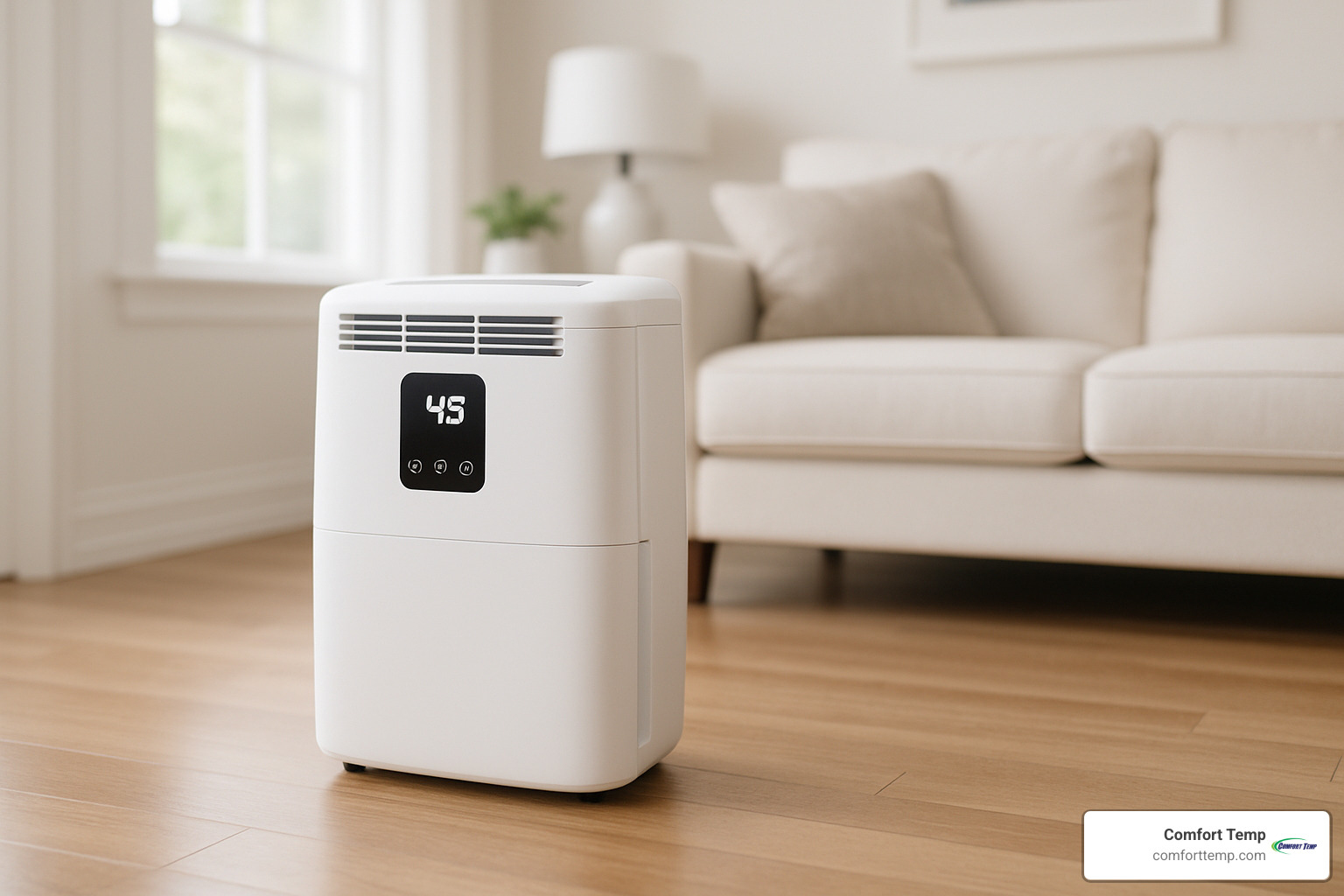

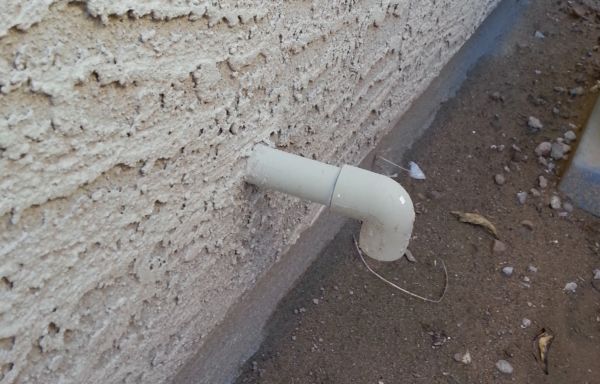
Routine maintenance and seasonal inspections can prevent most mold problems before they become serious.
Why Local Merritt Island Experience Matters
Mold growth patterns in coastal environments differ from inland regions. Homes near the Banana River often experience:
- Higher baseline humidity
- Salt air exposure that accelerates material wear
- Frequent roof and flashing issues after storms
- Continuous AC use and condensation
Professionals familiar with Merritt Island construction styles—slab foundations, attic insulation types, and waterfront exposure—can identify issues more quickly and recommend solutions that work in local conditions.
A Calm, Practical Next Step
Mold can grow faster than most homeowners realize, but early action makes a significant difference. A small leak or humidity problem addressed quickly often prevents extensive damage later.
If you notice musty odors, damp conditions, or visible staining, having the property evaluated can help determine whether mold is present and what steps, if any, are needed.
In coastal communities like Banana River and across Merritt Island, staying proactive is the most reliable way to protect your home, indoor air quality, and long-term property value.
