
Why Mold Keeps Coming Back in North Merritt Island: What Merritt Island Property Owners Should Know
If you’ve cleaned mold in your North Merritt Island home—only to see it return weeks or months later—you’re not alone. Recurring mold is one of the most frustrating issues property owners face in this area. The problem usually isn’t that mold was cleaned incorrectly. It’s that the conditions allowing mold to grow were never fully corrected.
North Merritt Island’s environment makes mold recurrence especially common. High humidity, nearby waterways, and local construction styles create ongoing moisture pressure that doesn’t disappear on its own. Understanding why mold keeps coming back is the first step to stopping the cycle for good.
Mold Doesn’t Come Back Without a Reason
Mold doesn’t “regrow” out of nowhere. It returns when moisture is still present somewhere in the home. Even if visible mold was removed, hidden moisture can allow mold spores to settle and grow again.
In North Merritt Island homes, that moisture is often subtle and persistent rather than obvious. Slow humidity buildup, condensation, or moisture trapped inside materials keeps feeding the problem.
Why North Merritt Island Homes Are Prone to Recurring Mold
Several local factors work together to make mold recurrence more likely:
- Persistent coastal humidity that keeps indoor moisture elevated
- High water tables, especially near Sykes Creek and surrounding waterways
- Slab-on-grade construction, which can trap moisture beneath flooring
- Frequent storms and heavy rain, even without flooding
- Constant air conditioning, leading to condensation in ducts and walls
Even when homes appear dry, building materials may still be holding moisture internally.
Surface Cleaning Doesn’t Remove the Root Cause
One of the biggest reasons mold keeps coming back is surface-only cleaning. Bleach, sprays, and wiping down visible areas may improve appearance, but they don’t address mold growing inside drywall, wood, insulation, or under flooring.
Porous materials absorb moisture and allow mold roots to remain alive beneath the surface. When conditions are right again, mold reappears—often in the same spot.
Hidden Moisture Is the Real Culprit
Recurring mold almost always points to hidden moisture. Common hidden sources in North Merritt Island homes include:
- Condensation inside walls from humid outdoor air
- Moisture rising through slab foundations
- Minor plumbing leaks behind walls
- Damp insulation in attics
- HVAC condensation inside ducts or air handlers
These issues often don’t show obvious water damage, making them easy to overlook.
Humidity Alone Can Be Enough
In North Merritt Island, mold doesn’t always need a leak. High indoor humidity alone can keep surfaces damp long enough for mold to return.
This is especially common during summer and rainy seasons when homes are tightly sealed and air conditioning runs constantly. Without proper humidity control and ventilation, moisture builds up faster than it can escape.
Why Mold Often Returns After Storms
After storms, mold recurrence is extremely common—even if the home didn’t flood. Wind-driven rain, saturated soil, and elevated humidity can all introduce moisture into walls and flooring.
North Merritt Island’s drainage conditions mean moisture may linger longer than expected. If materials didn’t fully dry after a storm, mold can return weeks later.
HVAC Systems Can Spread and Reintroduce Mold
When mold is present near or inside HVAC systems, spores can circulate throughout the home. Even after cleaning one area, spores may settle in other damp locations and start new growth.
Condensation inside ductwork is a frequent issue in North Merritt Island homes and a major contributor to recurring mold problems.
Why DIY Mold Removal Rarely Stops Recurrence
DIY cleanup almost never includes moisture detection, containment, or evaluation of hidden areas. Without identifying why mold grew in the first place, cleanup is temporary.
Scrubbing mold can even make things worse by releasing spores into the air, increasing the chances of recurrence elsewhere in the home.
How Professional Mold Inspections Help Break the Cycle
Stopping recurring mold requires identifying moisture sources, not just removing growth. A proper inspection focuses on:
- Moisture mapping inside walls and floors
- Evaluating HVAC systems and airflow
- Identifying condensation patterns
- Locating hidden damp materials
This information allows mold to be addressed at the source instead of repeatedly treating symptoms.
What Actually Stops Mold From Coming Back
Long-term mold control in North Merritt Island homes requires:
- Correcting moisture sources
- Removing affected materials when necessary
- Improving ventilation and airflow
- Managing indoor humidity consistently
- Addressing slab and foundation moisture
When moisture is controlled, mold loses its ability to return.
Why Local Experience Matters
Recurring mold in North Merritt Island behaves differently than mold in drier climates. Local experience matters because it includes understanding:
- How water tables affect slab homes
- Where humidity builds up first
- How storms impact homes without flooding
- Construction styles common in the area
A local provider like Mold Removal Merritt Island understands these patterns and can identify why mold keeps returning when others miss the cause.
A Practical Takeaway for Property Owners
If mold keeps coming back in your North Merritt Island home, it’s almost always a moisture issue that hasn’t been fully identified or corrected. Re-cleaning the same area rarely solves the problem.
A professional evaluation can help pinpoint hidden moisture, explain why mold is recurring, and outline practical steps to stop the cycle—so you’re not dealing with the same issue again and again.
Images
Recurring Mold Growth on Interior Wall in a Florida Home


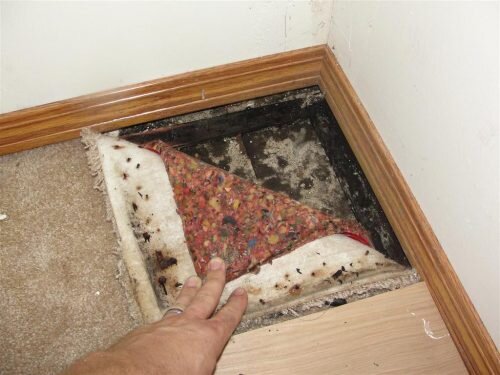
Hidden Mold Under Flooring From Slab Moisture

Mold Regrowth Near HVAC Vent From Condensation


