How Mold Spreads Indoors in Merritt Island: What Merritt Island Property Owners Should Know
Mold doesn’t usually spread indoors because of one big event. In Merritt Island homes, it spreads quietly—helped along by humidity, hidden moisture, and everyday air movement. Many property owners are surprised to learn that visible mold is often just a small part of a much larger issue happening behind walls, under floors, or inside HVAC systems.
With constant coastal moisture from areas like Sykes Creek, the Banana River, and the Indian River, indoor mold spread is a common challenge across Merritt Island. Understanding how mold moves indoors is one of the most important steps toward stopping it.
What Indoor Mold Spread Really Means
Mold spreads indoors through microscopic spores that are always present in the air. These spores are harmless until they land on a damp surface. Once moisture is present, mold begins to grow and release more spores into the surrounding environment.
In a Merritt Island home, those spores don’t stay in one place. They move through airflow, settle into new damp areas, and start growing again. This is how a small, localized moisture issue can eventually affect multiple rooms or levels of a home.
Why Merritt Island Homes Are More Vulnerable
Indoor mold spread is strongly influenced by local conditions, and Merritt Island has several risk factors working together:
- Persistent humidity year-round
- Proximity to waterways that elevate moisture levels
- High water tables beneath slab foundations
- Frequent storms and heavy rainfall
- Continuous air-conditioning use
Many homes are tightly sealed to keep cool air in, which reduces ventilation and traps moisture indoors. When moisture doesn’t escape, mold spores find more opportunities to settle and grow.
Airflow Is the Primary Way Mold Spreads
One of the most misunderstood aspects of mold is how easily it moves through the air. Indoor airflow from HVAC systems, ceiling fans, and even opening doors can carry mold spores from one area to another.
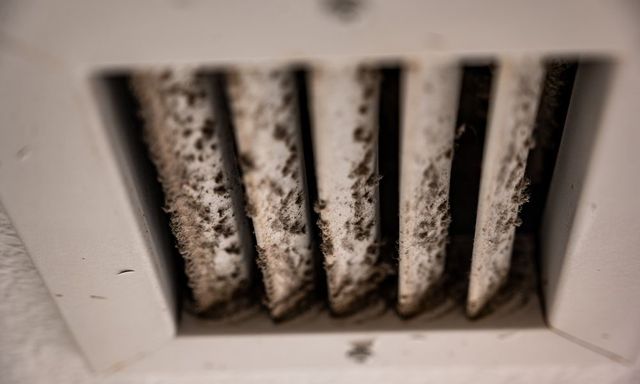
In Merritt Island homes, HVAC systems are a major contributor. When mold is present near air handlers, ductwork, or vents, spores can circulate throughout the home. This is why mold may appear in rooms far from the original moisture source.
Moisture Is What Allows Mold to Take Hold
While spores travel easily, moisture is what allows mold to spread and grow. Common indoor moisture sources include:
- Condensation on air-conditioning ducts
- Humid air entering through small exterior gaps
- Slow plumbing leaks behind walls
- Moisture rising through slab foundations
- Roof leaks after storms
Even areas that seem dry can hold moisture inside building materials. Drywall, wood, insulation, and flooring can absorb humidity slowly and stay damp long enough for mold to establish itself.
Hidden Areas Where Mold Commonly Spreads
Mold rarely spreads where homeowners can see it easily. In Merritt Island properties, it often expands through:
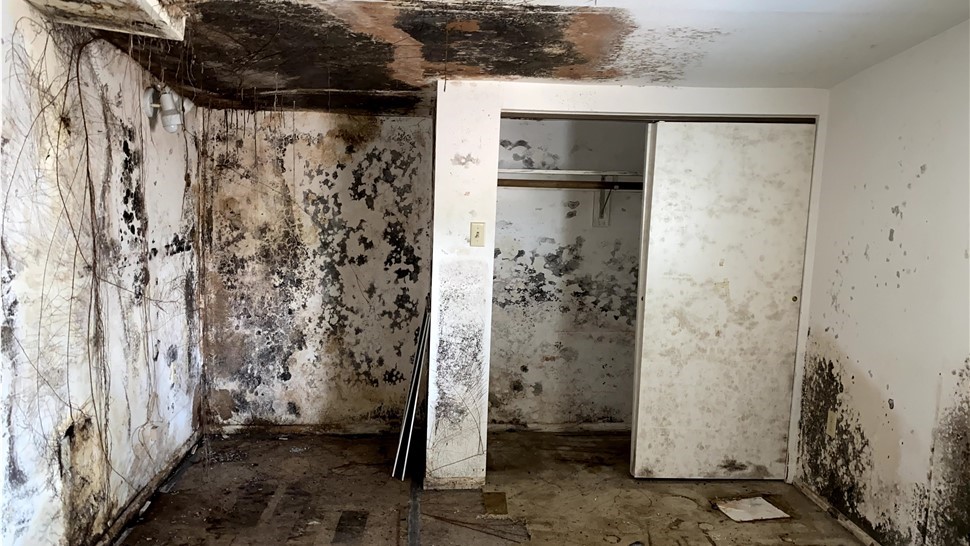
- Wall cavities connected by airflow
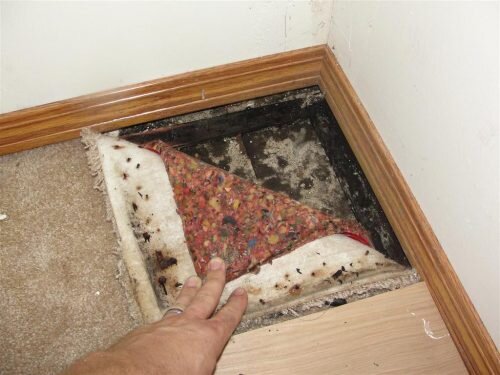
- Under flooring where moisture becomes trapped
- Attics with humid air intrusion
- Crawl spaces with limited ventilation
- HVAC systems that distribute spores
Because these areas are out of sight, mold can spread extensively before visible signs appear.
Why Cleaning Visible Mold Doesn’t Stop the Spread
Many property owners focus on removing what they can see. Unfortunately, surface cleaning doesn’t stop indoor mold spread if moisture and hidden growth remain.
Bleach and store-bought cleaners may remove stains, but they don’t penetrate porous materials. Scrubbing visible mold can also disturb spores and release them into the air, increasing the chance they’ll settle elsewhere in the home.
Without addressing airflow and moisture, mold spread continues even after cleaning.
How Storms Accelerate Indoor Mold Spread
After storms, indoor mold spread often speeds up. Elevated humidity, minor water intrusion, and damp materials create ideal conditions for spores to settle in new areas.
In Merritt Island, storms don’t have to cause flooding to increase mold risk. Wind-driven rain, roof stress, and saturated soil can raise indoor moisture levels for weeks, allowing mold to spread quietly behind walls and under floors.
Professional Mold Inspections Help Identify Spread Patterns
Understanding how far mold has spread indoors requires more than a visual check. Professional inspections focus on:
- Moisture mapping throughout the home
- Identifying airflow pathways
- Locating hidden damp materials
- Evaluating HVAC systems
- Determining whether mold is localized or widespread
This information helps prevent partial fixes that leave hidden mold behind.
How Mold Removal Stops Indoor Spread
Proper mold remediation is designed to stop spread, not just remove growth. This includes:
- Containment to prevent spores from traveling
- Safe removal of contaminated materials
- Cleaning of surrounding areas
- Correcting moisture sources
- Improving airflow or humidity control
When done correctly, remediation breaks the mold’s ability to move and regrow indoors.
Preventing Mold From Spreading Indoors
In Merritt Island homes, prevention focuses on moisture and airflow management:
- Keep indoor humidity under control
- Maintain HVAC systems and ductwork
- Address leaks quickly, even small ones
- Inspect attics and crawl spaces regularly
- Check flooring and baseboards after storms
Consistent monitoring is key, especially in coastal environments where moisture is always present.
Why Local Merritt Island Experience Matters
Indoor mold spread in coastal Florida behaves differently than in drier regions. Local experience matters because it includes understanding:
- How humidity moves through slab homes
- Where airflow typically spreads spores
- How waterways influence indoor moisture
- How storms impact homes without visible damage
A local provider like Mold Removal Merritt Island understands these patterns and can identify spread pathways that are easy to miss.
A Practical Takeaway for Property Owners
If mold keeps appearing in different areas of your home, it’s often a sign of hidden moisture and indoor spread. Addressing only what’s visible rarely solves the problem.
A professional inspection can help determine how mold is moving through your Merritt Island property and what steps are needed to stop it before it affects more areas.
Images
Mold Spreading Along Interior Wall From Hidden Moisture


Mold Under Flooring Spreading From Slab Moisture
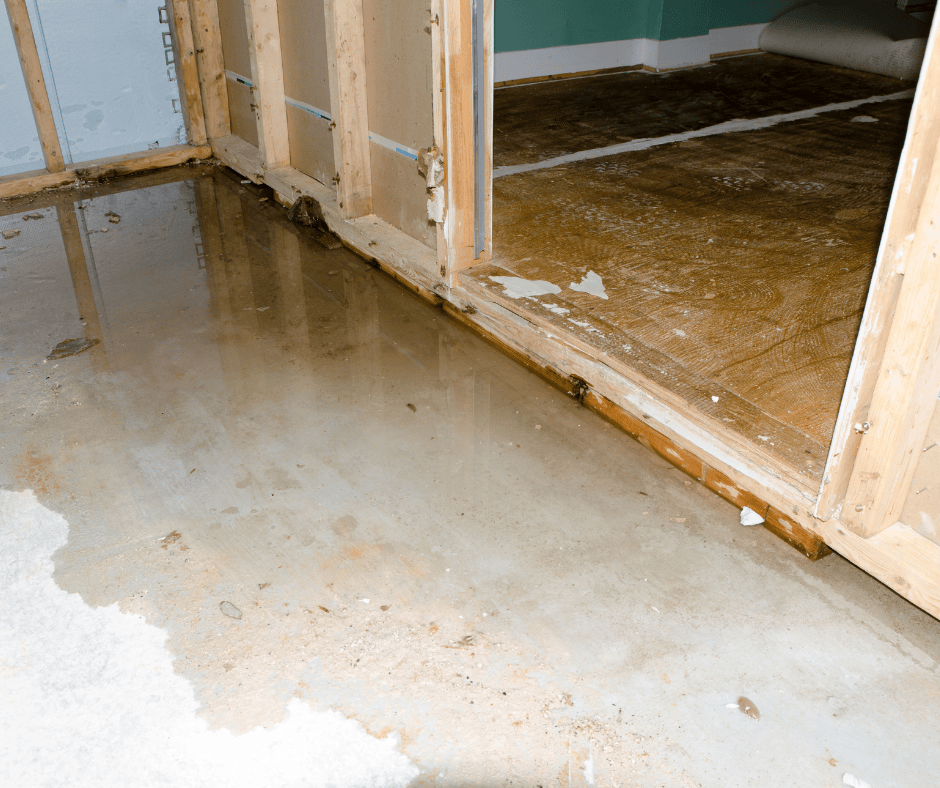

Mold Spores Circulating Through HVAC System