Mold Inspection Process Explained in Indian River: What Merritt Island Property Owners Should Know
Homes near the Indian River enjoy beautiful views and cooling breezes, but they also face higher moisture exposure than many inland properties. For homeowners and property managers in this area, mold inspections are not just a precaution—they’re often a necessary step to understand what’s happening inside the home before damage spreads.
Many mold problems along the Indian River aren’t obvious. They develop quietly behind walls, under flooring, or inside HVAC systems, fed by humidity, condensation, and Florida’s high water table. Understanding how a professional mold inspection works helps property owners know what to expect and why each step matters.
What a Mold Inspection Really Is
A mold inspection is a structured evaluation of a property to identify moisture problems, visible and hidden mold growth, and conditions that allow mold to thrive. It’s not just a visual walk-through and it’s not guesswork.
In Indian River homes, inspections focus heavily on moisture behavior. Because mold needs moisture to grow, identifying where moisture is entering or lingering is the foundation of the entire process. A proper inspection explains not just where mold is found, but why it’s there.
Why Mold Inspections Are Especially Important Near the Indian River
Properties near the Indian River face ongoing environmental pressure from humidity and water exposure. Even without flooding, moisture levels tend to stay elevated due to nearby waterways and saturated soil conditions.
Many homes in this area are slab-on-grade, which allows moisture to migrate upward beneath flooring. Salt air can also degrade seals, vents, and exterior components over time, creating small openings where humid air enters wall cavities. These factors make hidden mold far more common than visible surface growth.
Step One: Initial Visual Assessment
The inspection process begins with a detailed visual assessment. This includes examining areas where mold commonly appears in Indian River homes, such as:
- Exterior-facing walls
- Bathrooms and kitchens
- Laundry rooms and utility spaces
- Baseboards and flooring edges
- Attics and access points
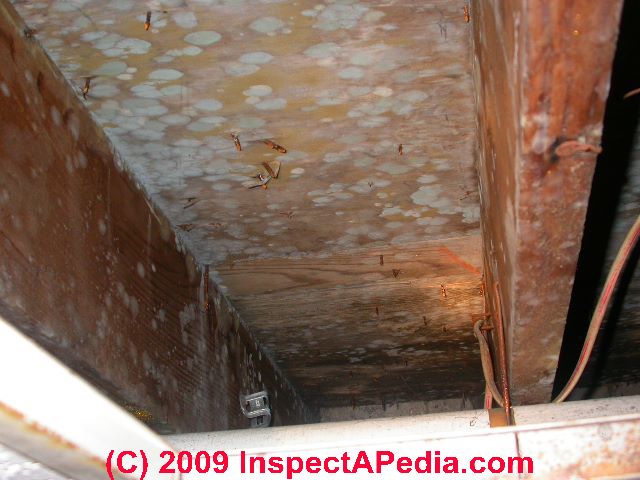
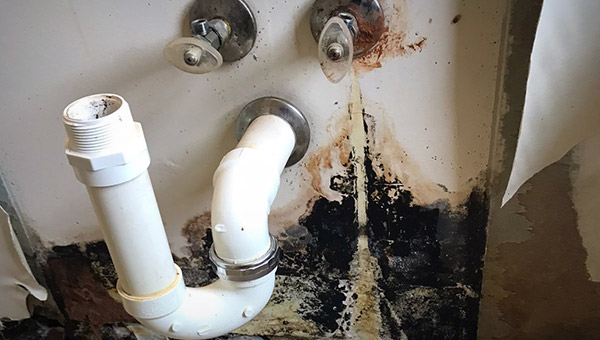
The goal is to identify visible mold, water staining, material damage, and signs of past leaks or condensation. Even subtle discoloration or warping can point to deeper moisture problems.
Step Two: Moisture Detection and Mapping
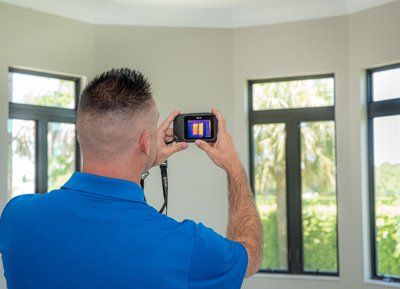
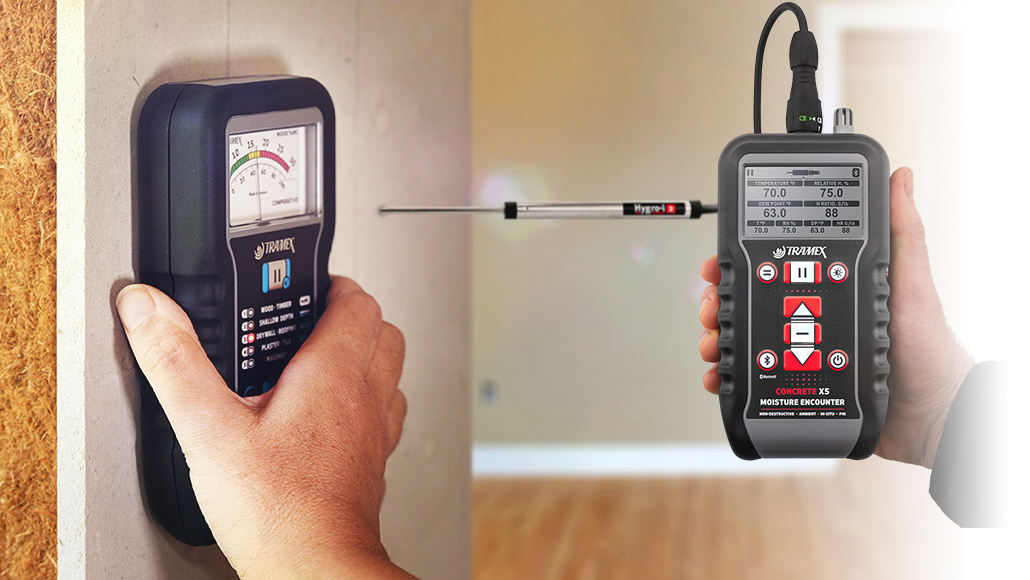
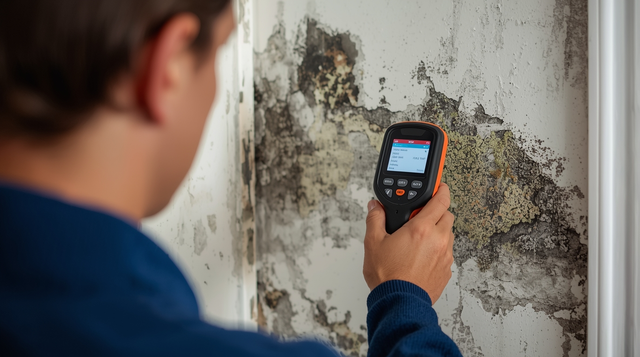
Moisture detection is one of the most important steps in a mold inspection. Specialized meters are used to measure moisture levels inside walls, ceilings, floors, and other building materials.
In Indian River properties, moisture mapping often reveals damp areas that look completely normal on the surface. These hidden moisture pockets are where mold typically begins. Identifying them early helps prevent unnecessary demolition and guides the next steps accurately.
Step Three: Identifying Moisture Sources
Finding mold is only part of the inspection. Understanding the moisture source is critical. During this phase, inspectors evaluate:
- Plumbing lines and fixtures
- HVAC systems and ductwork
- Window and door seals
- Roof penetrations and flashing
- Exterior walls exposed to wind-driven rain
Homes near the Indian River often experience condensation issues rather than obvious leaks. This step helps determine whether moisture is coming from outside intrusion, internal humidity, or mechanical systems.
Step Four: Air and Surface Sampling (When Needed)
Not every inspection requires mold testing, but in certain situations, air or surface sampling is helpful. Testing may be recommended when:
- Mold is suspected but not visible
- Odors are present without a clear source
- Confirmation is needed before remediation
- Clearance documentation is required
Samples are sent to a laboratory and compared to normal outdoor mold levels. Results are explained in simple terms so property owners understand what the numbers actually mean.
Step Five: Interpreting Findings and Explaining Results
One of the most overlooked parts of a mold inspection is communication. A proper inspection doesn’t end with raw data—it includes clear explanations.
Property owners should come away understanding:
- Where mold was found or suspected
- What materials are affected
- Why moisture is present
- Whether removal is necessary
- What steps prevent future problems
For Indian River homes, this context is essential because moisture conditions are often ongoing rather than one-time events.
What a Mold Inspection Does Not Do
A mold inspection is not the same as mold removal. It doesn’t involve cleaning or remediation during the evaluation. Instead, it provides clarity so decisions can be made based on facts rather than assumptions.
Inspections also avoid fear-based conclusions. Mold findings are explained realistically, without exaggeration, so property owners can take appropriate action without unnecessary stress.
Why DIY Assessments Miss the Bigger Picture
Many homeowners try to self-diagnose mold by looking for visible growth or using store-bought test kits. Unfortunately, these approaches often miss hidden moisture problems common in Indian River homes.
Without moisture detection tools and experience interpreting results, it’s easy to overlook mold growing behind walls or under floors. DIY testing can also be misleading if results aren’t compared properly to outdoor conditions.
Why Local Indian River Experience Matters
Mold inspection in coastal Florida is different from inspections in drier climates. Local experience matters because it includes understanding:
- How the Indian River affects humidity levels
- How high water tables impact slab homes
- Where condensation typically forms in local construction
- How storms influence moisture without flooding
A local provider like Mold Removal Merritt Island brings familiarity with these patterns, allowing for more accurate inspections and practical recommendations.
A Smart Next Step for Property Owners
If your Indian River property has persistent humidity, musty odors, or signs of moisture damage, a professional mold inspection can provide clarity. Inspections aren’t about jumping to worst-case scenarios—they’re about understanding conditions early.
Getting answers before mold spreads helps protect the structure of the home and gives property owners confidence in their next steps.
Images
Mold Inspection Using Moisture Meter on Interior Wall
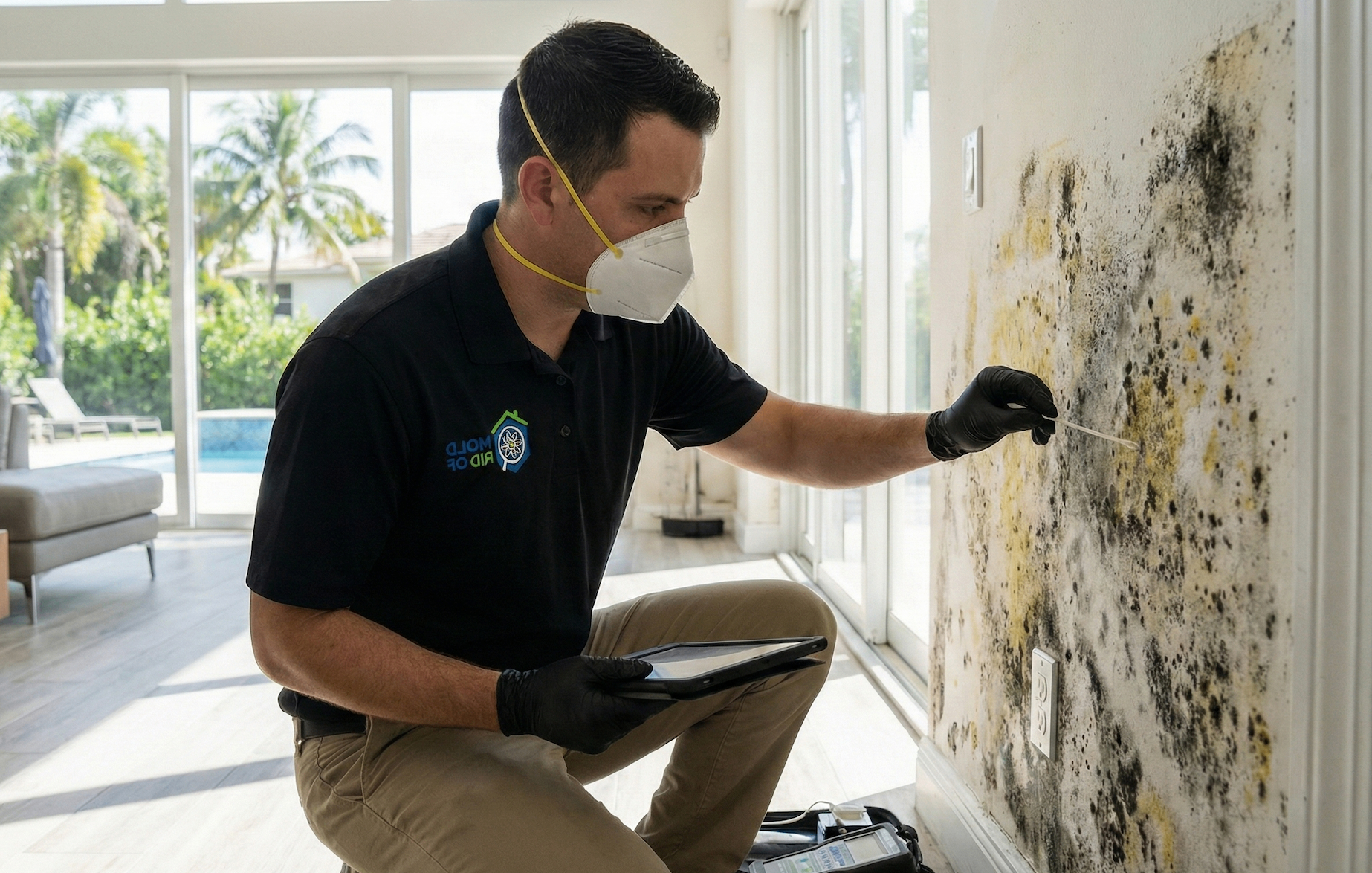
Mold Testing and Sampling Process in a Coastal Home

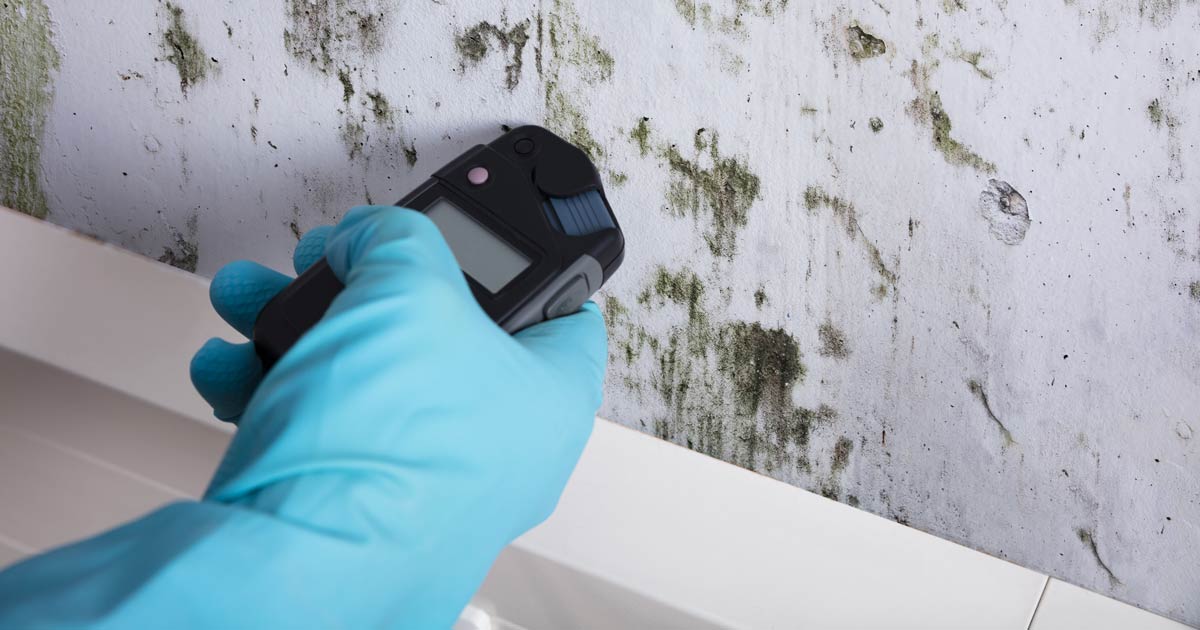
Hidden Mold Under Flooring in Indian River Area Home