Mold in Laundry Rooms in Merritt Island: What Merritt Island Property Owners Should Know
Laundry rooms may be small, but in Merritt Island homes they often carry a big risk for mold. These spaces combine water, heat, and limited airflow—three things mold loves. Add Florida’s coastal humidity and nearby waterways like Sykes Creek, the Banana River, and the Indian River, and laundry rooms become one of the most common trouble spots for hidden mold growth.
For homeowners, landlords, and property managers in Merritt Island, understanding why laundry room mold happens, how to recognize it early, and what actually fixes the problem can prevent much larger issues throughout the home.
What Mold in Laundry Rooms Really Is
Mold is a moisture-driven issue. In laundry rooms, moisture comes from multiple sources at once: washing machines, plumbing connections, dryer exhaust, and humid indoor air. When moisture settles on drywall, wood framing, insulation, or flooring and doesn’t dry properly, mold spores begin to grow.
Unlike obvious flooding, laundry room mold usually develops slowly. A tiny drip behind a washer, condensation on cold-water lines, or a poorly vented dryer can feed mold for months before anyone notices. By the time stains or odors appear, mold is often established behind walls or under floors.
Why Laundry Room Mold Is So Common in Merritt Island
Merritt Island’s environment plays a major role. Persistent humidity is part of daily life, even when air conditioning runs nonstop. Homes near the Banana River or Indian River often experience higher indoor moisture levels due to proximity to water and elevated water tables.
Many Merritt Island homes are built on slab foundations, which can trap moisture beneath flooring. Laundry rooms are also frequently located near garages or exterior walls, where temperature differences increase condensation. After heavy rain or storms, humidity levels inside the home can stay elevated long after outdoor conditions improve.
When these factors combine with aging appliances or limited ventilation, laundry rooms become prime mold zones.
Common Signs Property Owners Notice
Laundry room mold doesn’t always look dramatic, but the warning signs are usually there:
- Musty or damp odors that linger near the washer or dryer
- Dark spots or discoloration on drywall, baseboards, or ceilings
- Peeling paint or bubbling wall surfaces
- Warped or soft flooring around appliances
- Excessive condensation that never fully dries
In some cases, odors spread into nearby hallways or closets, even when the laundry room looks clean. That often points to hidden mold growth inside walls or under flooring.
Hidden and Overlooked Mold Sources
Some of the most serious laundry room mold problems stay out of sight:
- Behind washing machines where hoses loosen or drip
- Under vinyl or laminate flooring that traps moisture
- Inside walls from slow plumbing leaks or condensation
- Around dryer vents where warm, moist air meets cooler surfaces
- Adjacent wall cavities or crawl spaces connected to the laundry area
Because these areas aren’t visible, mold can spread quietly and extensively before it’s discovered.
Why DIY Mold Cleanup Usually Fails
Many property owners try to handle laundry room mold themselves using bleach or store-bought cleaners. While this may remove surface staining, it rarely solves the real problem.
Bleach does not penetrate porous materials like drywall, wood, or insulation. Scrubbing mold without containment can also release spores into the air, allowing them to settle elsewhere in the home. Most importantly, DIY cleaning doesn’t correct the moisture source that allowed mold to grow in the first place.
As long as humidity, leaks, or ventilation issues remain, mold almost always returns.
Professional Mold Inspection and Testing Explained
A proper mold inspection focuses on moisture patterns, not just visible growth. In Merritt Island laundry rooms, inspections typically include:
- Visual assessment of walls, floors, and ceilings
- Moisture detection to locate hidden damp areas
- Evaluation of washers, hoses, drains, and dryer vents
- Air or surface sampling when conditions warrant it
When lab testing is used, results are explained clearly to show whether indoor mold levels are elevated compared to normal outdoor levels. This information helps guide the remediation process and ensures nothing important is missed.
Proper Mold Removal and Remediation Process
Effective mold remediation is a step-by-step process designed to remove mold safely and prevent recurrence:
- Containment to stop spores from spreading
- Removal of contaminated materials when necessary
- Detailed cleaning of remaining surfaces
- Correction of moisture sources, such as leaks or ventilation problems
- Preventive recommendations tailored to the home
The goal is long-term resolution, not just cosmetic improvement.
How to Prevent Mold in Merritt Island Laundry Rooms
Prevention is especially important in coastal homes. Practical steps include:
- Inspect washer hoses regularly and replace aging connections
- Ensure dryer vents are properly routed outdoors
- Improve airflow in enclosed laundry rooms
- Keep indoor humidity under control year-round
- Address leaks immediately, even small ones
- Check laundry areas after heavy rain or storms
Consistent maintenance goes a long way in reducing mold risk.
Why Local Merritt Island Experience Matters
Mold behaves differently in coastal Florida than it does in drier climates. Local experience matters because it brings insight into:
- How high water tables affect slab homes
- Where moisture tends to collect near waterways
- How storms impact indoor humidity long after they pass
- Construction styles common in North and South Merritt Island
A local company like Mold Removal Merritt Island understands these patterns and can identify problems faster and more accurately than out-of-area providers.
A Calm, Practical Next Step
If your laundry room has persistent odors, moisture, or visible damage, it’s worth having it evaluated sooner rather than later. Laundry room mold is common in Merritt Island, but it’s manageable when addressed early.
A professional inspection provides clarity, identifies moisture sources, and helps you make informed decisions to protect your property and indoor environment.
Images
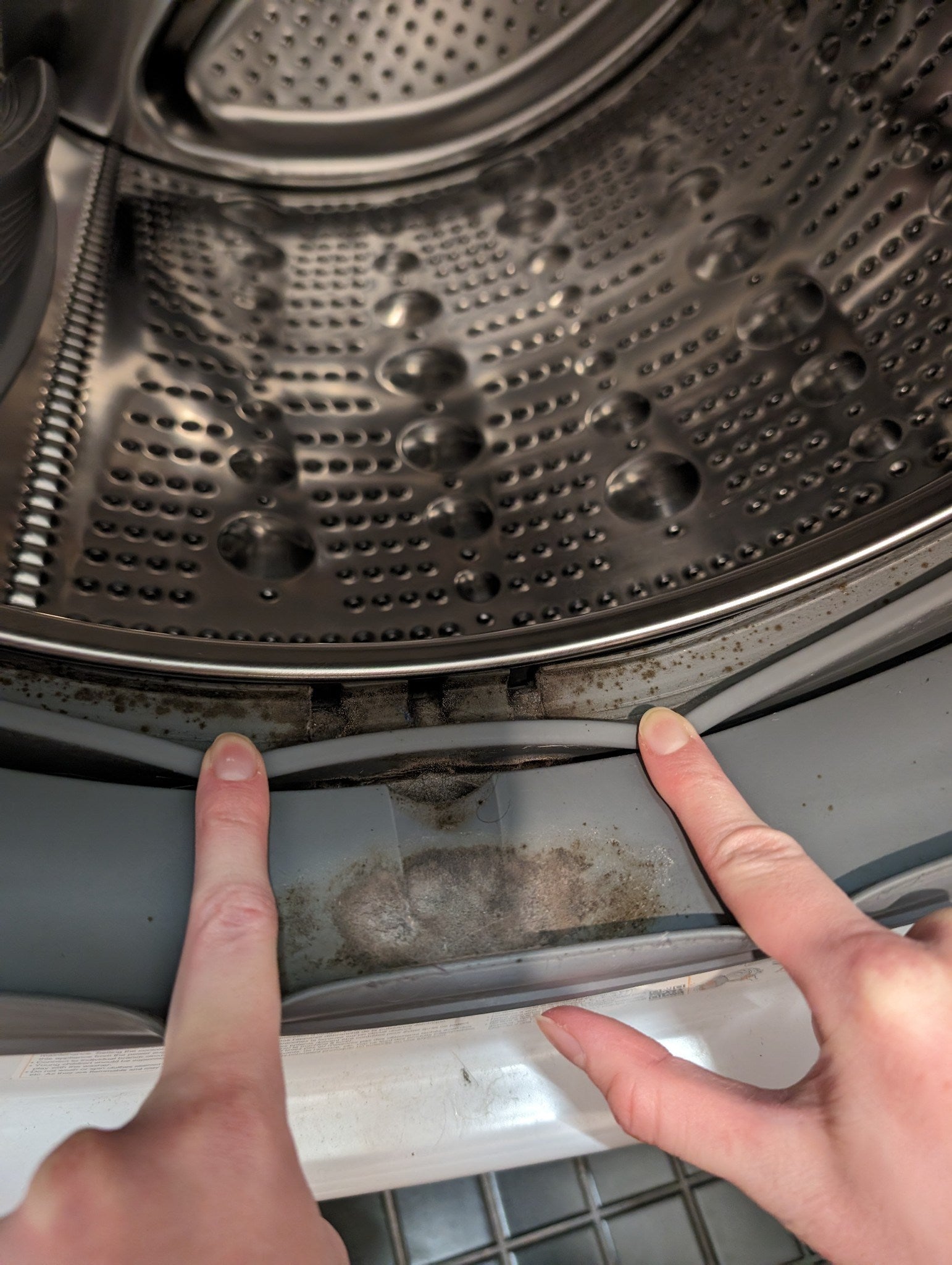
Mold Behind Washing Machine in a Florida Laundry Room

Hidden Mold Under Laundry Room Flooring
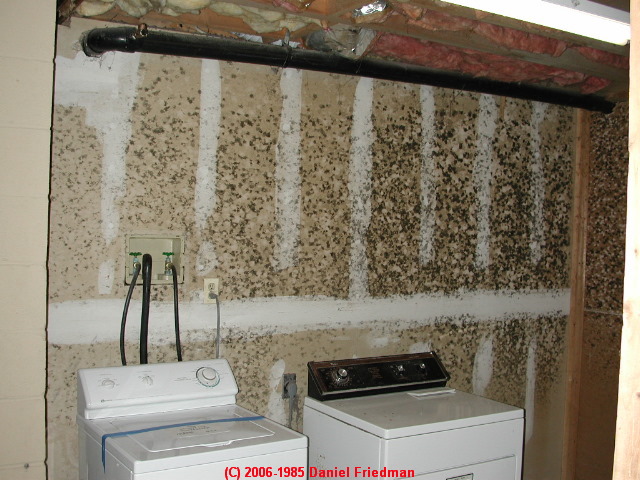

Mold Near Dryer Vent From Poor Ventilation