
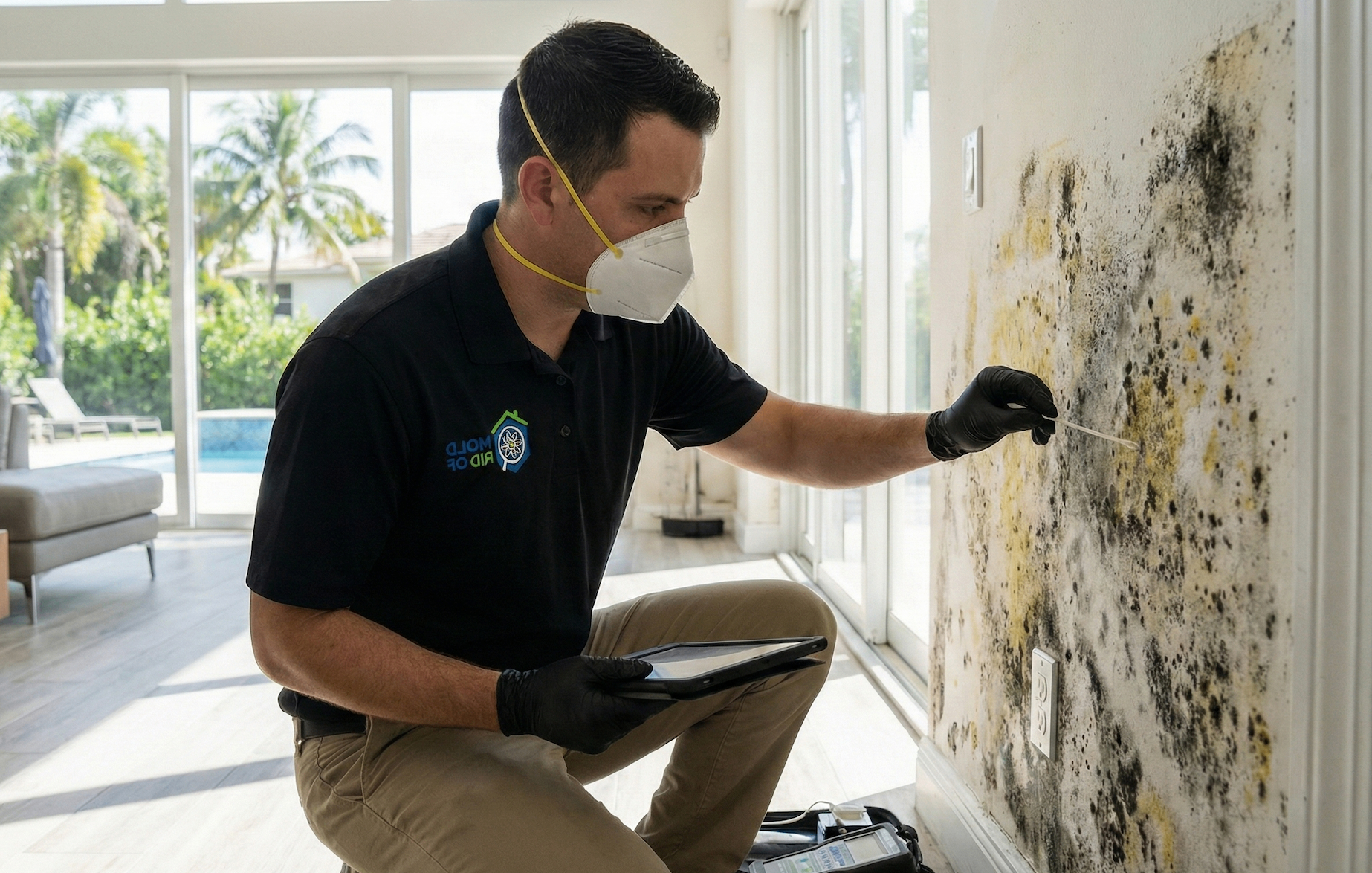
Post-Remediation Mold Testing in Banana River: What Merritt Island Property Owners Should Know
After mold remediation is completed, many Banana River property owners wonder what comes next. The space looks cleaner, odors may be gone, and repairs are finished—but how do you know the job actually worked? This is where post-remediation mold testing comes into the conversation.
In Merritt Island’s humid, waterfront environment, post-remediation testing can provide reassurance and clarity when used correctly. Understanding what it does—and what it doesn’t—helps homeowners decide whether it makes sense for their situation.
Why Post-Remediation Testing Is Common Near the Banana River
Homes along the Banana River face constant moisture pressure. Even after proper remediation, lingering humidity or airflow issues can raise concerns about whether mold conditions truly returned to normal.
Post-remediation testing is often considered when:
- Mold affected multiple rooms
- Growth involved HVAC systems or attics
- Odors existed before remediation
- Documentation is needed for insurance or real estate
- Homeowners want independent confirmation
In coastal Merritt Island homes, peace of mind often matters as much as cleanup itself.
What Post-Remediation Testing Actually Is
Post-remediation mold testing is a verification step, not a treatment. It’s designed to confirm that remediation was effective and that conditions are back to normal ranges.
Testing may include:
- Air sampling inside remediated areas
- Comparison to outdoor air samples
- Visual confirmation that materials are clean and dry
- Moisture checks to ensure drying was successful
The goal is to confirm that mold-related conditions are no longer elevated.
What Post-Remediation Testing Is Not
It’s important to avoid unrealistic expectations.
Post-remediation testing does not:
- Guarantee mold will never return
- Prove that a home is “mold-free”
- Identify future moisture problems
- Replace moisture control and maintenance
In Banana River homes, mold spores will always exist at some level. Testing focuses on whether indoor conditions are appropriate and stable, not sterile.
Timing Matters More Than Many Realize
Testing too soon can lead to misleading results. After remediation, time is needed for:
- Air to settle
- Dust to clear
- Drying systems to complete their work
- HVAC airflow to normalize
Testing is typically performed after containment is removed and the area is fully dry, not immediately after cleaning.
How Air Testing Is Used After Remediation
Air sampling is the most common post-remediation method.
Here’s how it works:
- Indoor air samples are collected in treated areas
- An outdoor sample is taken for comparison
- Results are evaluated relative to each other
Near the Banana River, outdoor mold levels are naturally higher. That’s why the comparison between indoor and outdoor air matters more than the raw numbers.
When Surface Sampling May Be Used
Surface sampling is sometimes performed to verify that visible growth has been properly removed from specific materials.
This may be helpful when:
- Mold was visible before remediation
- Materials were cleaned rather than removed
- Documentation is required
Surface testing confirms cleanliness but doesn’t measure overall air quality.
Why Moisture Readings Matter More Than Test Results
Even the best test results mean little if moisture remains. In Banana River homes, lingering moisture is the biggest reason mold returns.
Post-remediation evaluations often include:
- Moisture readings in walls and floors
- Humidity measurements
- Visual inspection of previously affected areas
Dry materials are the strongest indicator of long-term success.
Situations Where Post-Remediation Testing Is Most Useful
Testing tends to be most valuable when:
- Mold was widespread or severe
- The home is being sold or purchased
- Insurance documentation is required
- Occupants want confirmation before reoccupying spaces
In small, isolated mold situations, testing may not add meaningful value.
Why Testing Without Context Can Be Misleading
Testing alone doesn’t tell the full story. In coastal environments like Banana River, elevated outdoor mold levels can influence results.
Without understanding:
- Recent weather
- HVAC operation
- Moisture history
- Airflow patterns
…results can be misinterpreted. That’s why professional context matters.
How Professionals Interpret Post-Remediation Results
A proper interpretation looks at:
- Indoor vs outdoor comparisons
- Pre-remediation conditions
- Moisture data
- Visual inspection findings
Local specialists such as Mold Removal Merritt Island understand how Banana River humidity and airflow affect post-remediation readings and help homeowners interpret results realistically.
What to Do If Results Aren’t Ideal
If testing shows elevated levels, it doesn’t automatically mean remediation failed. Common causes include:
- Incomplete drying
- Ongoing humidity issues
- HVAC-related airflow problems
- Nearby unaffected areas contributing spores
In many cases, addressing moisture or airflow resolves the issue without additional removal.
Long-Term Success Depends on Prevention
Post-remediation testing confirms current conditions—but prevention keeps them that way.
For Banana River homes, that includes:
- Maintaining indoor humidity below 60 percent
- Servicing AC systems regularly
- Monitoring previously affected areas
- Inspecting after storms
- Addressing condensation promptly
Testing is a snapshot in time; maintenance determines the future.
A Practical Takeaway for Banana River Property Owners
Post-remediation mold testing can be a valuable confirmation step when used appropriately. It works best when paired with moisture verification and professional interpretation—not as a standalone guarantee.
In Merritt Island’s coastal environment, success isn’t about eliminating mold forever. It’s about restoring proper conditions and keeping moisture under control. When those pieces are in place, post-remediation testing provides confidence that the job was done right.
