
Mold From AC Condensation in Banana River: What Merritt Island Property Owners Should Know
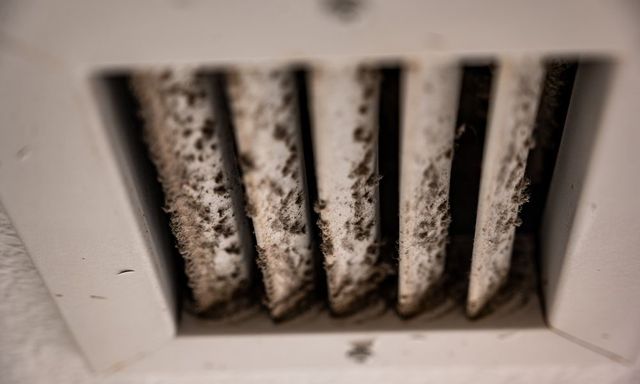
Along the Banana River, air conditioning isn’t optional—it runs most of the year. But in Merritt Island’s coastal climate, that constant cooling can quietly create the perfect conditions for mold when condensation isn’t managed correctly. Many property owners are surprised to learn that AC condensation, not leaks or flooding, is often the real source behind recurring mold problems.
Understanding how AC systems produce moisture, where condensation tends to build up, and why Banana River homes are especially vulnerable can help owners catch problems early and avoid long-term damage.
How AC Condensation Turns Into Mold
Every air-conditioning system removes humidity from indoor air. That moisture has to go somewhere. Normally, it drains safely through a condensate line. Problems start when condensation:
- Builds up faster than it can drain
- Escapes the drain pan
- Forms on cold surfaces repeatedly
- Collects inside air handlers or ductwork
When water sits on drywall, insulation, wood, or inside HVAC components, mold can begin growing—even without a single plumbing leak.
Why Banana River Homes Are More at Risk
Homes near the Banana River face conditions that make AC condensation problems more common.
High coastal humidity
AC systems work harder and longer, producing more condensation than inland homes.
Salt air effects
Salt accelerates corrosion in metal drain pans, coils, and fittings, increasing failure risk.
Year-round AC use
Systems rarely get long breaks, allowing moisture issues to become chronic.
Slab-on-grade construction
Condensation-related leaks can migrate under flooring and remain hidden.
Tight building envelopes
Modern insulation can trap moisture if ventilation isn’t balanced.
These factors mean even a well-maintained system can develop condensation-related mold if small issues go unnoticed.
Common AC Condensation Problems That Lead to Mold
Property owners in Banana River homes often encounter mold linked to:
- Clogged or partially blocked condensate drain lines
- Cracked or rusted drain pans
- Improper drain slope causing water to back up
- Frozen coils that melt and overflow
- Poor insulation on cold refrigerant lines
- Oversized or undersized AC units causing excess condensation
- Air handlers installed in closets or attics with limited airflow
Any of these can release moisture into surrounding materials.
Early Signs Mold May Be Developing
AC condensation mold usually starts quietly. Watch for:
- Musty odors near vents or air handlers
- Damp smells that worsen when the AC runs
- Stains around ceilings, walls, or closets housing the air handler
- Condensation on vents or registers
- Warped baseboards or flooring near HVAC areas
- Cabinets or walls that feel cool and damp
In Banana River homes, odors are often the first clue—long before visible mold appears.
Hidden Areas Where AC-Related Mold Grows
Condensation-related mold is often out of sight.
Common hidden locations include:
- Inside air handlers and blower compartments
- Around evaporator coils
- Beneath drain pans
- Inside ductwork near cooling coils
- In drywall or insulation around HVAC closets
- Under flooring near AC units
Because air circulates through the system, mold in one HVAC component can affect the entire home.
Why AC Mold Keeps Coming Back
Many homeowners clean visible areas but miss the real issue.
Recurring problems happen when:
- The drain line is cleared temporarily but not corrected
- Drain pans are cleaned but not replaced when corroded
- Insulation remains wet behind walls
- HVAC sizing or airflow issues aren’t addressed
- Humidity control is inconsistent
Until condensation is properly managed, mold often returns.
Professional Mold Inspection for AC Condensation Issues Explained
A professional inspection focuses on both moisture behavior and HVAC performance.
A thorough evaluation may include:
- Visual inspection of air handlers, closets, and vents
- Moisture readings in surrounding walls and floors
- Infrared imaging to locate cold, damp areas
- Inspection of drain pans and condensate lines
- HVAC airflow and condensation assessment
- Targeted sampling when appropriate
- Clear explanation of findings
This approach identifies whether condensation is actively feeding mold growth.
Proper Mold Removal and Remediation From AC Condensation
Effective remediation addresses the system—not just the mold.
Containment
Affected areas are isolated to prevent spore spread.
Selective material removal
Water-damaged drywall, insulation, or flooring is removed if necessary.
HVAC component cleaning
Air handlers and affected duct sections are cleaned appropriately.
Condensation correction
Drainage, insulation, airflow, or system issues are corrected.
Prevention planning
Steps are recommended to keep condensation under control long-term.
Mold Removal Merritt Island approaches AC-related mold with solutions tailored to Banana River humidity and coastal conditions.
How to Reduce AC Condensation Mold Risk
Preventive maintenance makes a major difference.
- Keep condensate drain lines clear
- Inspect drain pans regularly
- Ensure refrigerant lines are insulated
- Maintain proper airflow and filter changes
- Monitor indoor humidity levels
- Address musty odors early
- Inspect HVAC closets and surrounding walls periodically
In coastal homes, small HVAC issues can quickly become mold problems if ignored.
Why Local Banana River Experience Matters
AC condensation behaves differently near the water. Local experience means understanding:
- Coastal humidity loads on HVAC systems
- Salt air corrosion patterns
- How slab homes trap condensation-related moisture
- Typical HVAC installation layouts in waterfront homes
- Seasonal humidity fluctuations near the river
This insight allows for faster diagnosis and more effective solutions.
A Practical Next Step for Property Owners
If your Banana River home has musty odors, moisture near HVAC areas, or recurring mold concerns, it’s worth having the system and surrounding areas evaluated. AC condensation mold rarely resolves on its own and often spreads quietly behind finished surfaces.
A professional inspection can identify whether condensation is the cause, explain where moisture is accumulating, and outline practical next steps—without pressure or alarm. For Merritt Island property owners, addressing AC condensation early is one of the most effective ways to protect indoor air quality, building materials, and long-term property value.
