
Mold Inspection Process Explained in Sykes Creek: What Merritt Island Property Owners Should Know
For homeowners in Sykes Creek, mold inspections aren’t just a formality—they’re a practical way to understand what’s happening inside a home exposed to constant humidity, nearby waterways, and frequent storms. Many mold problems here are hidden, slow-moving, and tied to moisture patterns unique to Merritt Island.
Knowing how a professional mold inspection actually works helps property owners set realistic expectations and make informed decisions without unnecessary stress.
Why Mold Inspections Matter in Sykes Creek
Homes near Sykes Creek sit in a moisture-heavy environment influenced by lagoon systems, high water tables, and coastal airflow. Mold often develops without obvious warning signs, especially behind walls, in attics, or around HVAC systems.
A proper inspection focuses on finding moisture first, because mold growth is almost always a symptom—not the root problem.
Step 1: Initial Conversation and History Review
A thorough mold inspection starts before anyone steps inside the home. The inspector typically asks about:
- Past roof, plumbing, or AC leaks
- Storm or hurricane exposure
- Musty odors or air quality concerns
- Areas where stains or moisture have appeared
- Recent renovations or repairs
In Sykes Creek homes, this background helps identify patterns tied to humidity, storms, or waterfront exposure.
Step 2: Visual Inspection of Living Areas
The next step is a detailed visual inspection of accessible areas. This includes:
- Walls and ceilings
- Baseboards and flooring edges
- Bathrooms and laundry rooms
- Closets, especially on exterior walls
- Areas near windows and doors
Inspectors look for discoloration, staining, material changes, and subtle signs of moisture—not just obvious mold.
Step 3: Moisture Detection and Measurement
Moisture detection is one of the most important parts of the process. Mold can’t grow without moisture, and in Sykes Creek homes, moisture often hides behind finished surfaces.
Inspectors may use:
- Moisture meters to test drywall and wood
- Infrared cameras to identify temperature differences caused by dampness
- Hygrometers to measure indoor humidity levels
These tools help pinpoint problem areas that look normal on the surface.
Step 4: Attic and Structural Area Evaluation
Attics are a major focus during inspections in Merritt Island. Warm, humid air rises, and poor ventilation allows moisture to collect on roof decking and framing.
During attic inspections, professionals check for:
- Mold on wood framing
- Damp or compressed insulation
- Roof leaks or staining
- Ventilation effectiveness
In Sykes Creek homes, attic conditions often explain musty odors or air quality issues inside living spaces.
Step 5: HVAC System Inspection
HVAC systems can both hide and spread mold. A proper inspection includes looking at:
- Air handlers and drip pans
- Condensate drain lines
- Ductwork near vents and returns
- Signs of condensation or staining
Because AC systems run frequently in this climate, condensation-related mold is a common discovery.
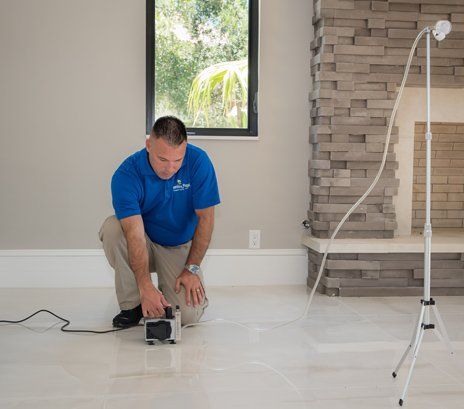
Step 6: Mold Sampling (When Appropriate)
Not every inspection requires mold sampling. Sampling is typically recommended when:
- Mold isn’t visible but suspected
- Multiple areas are affected
- Air quality concerns exist
- Documentation is needed for real estate or insurance
When used, samples may include air samples, surface swabs, or material samples. Results help identify mold types and concentration levels, but they’re only one piece of the overall picture.
Step 7: Interpreting Findings and Explaining Results
A good inspection doesn’t end with data—it ends with clarity. Findings should be explained in plain language, covering:
- Where moisture is present
- Whether mold appears active or historic
- How widespread the issue is
- What conditions allowed mold to develop
In Sykes Creek, explanations often involve humidity control, storm-related moisture, or ventilation challenges tied to coastal living.
Step 8: Practical Recommendations, Not Pressure
The final step is outlining realistic next steps. Depending on findings, this may include:
- Targeted drying and moisture correction
- Improved ventilation or AC adjustments
- Monitoring certain areas over time
- Professional remediation if needed
Local professionals like Mold Removal Merritt Island approach inspections with a homeowner-first mindset—focused on understanding the problem before recommending solutions.
What a Mold Inspection Is Not
A proper inspection is not:
- A quick walk-through
- A surface-only check
- A guarantee that remediation is required
Its purpose is to provide accurate information so property owners can decide what makes sense for their home.
Why Local Experience Matters in Sykes Creek
Sykes Creek homes face different moisture behavior than inland properties. High water tables, salt air exposure, slab construction, and frequent storms all influence where moisture accumulates and how mold spreads.
Local experience allows inspectors to recognize these patterns quickly and avoid misdiagnosis.
When Scheduling an Inspection Makes Sense
Property owners should consider a mold inspection when:
- Musty odors persist
- Moisture or staining appears after storms
- Mold keeps returning after cleaning
- Indoor air feels heavy or damp
- Buying or selling a home
Early inspection often leads to simpler, less disruptive solutions.
A Clear, Calm Takeaway
A mold inspection in Sykes Creek isn’t about confirming the worst—it’s about understanding what’s really happening inside the home. With accurate information, property owners can act early, prevent spread, and protect both their property and indoor environment.
In Merritt Island’s coastal climate, clarity is one of the most valuable tools a homeowner can have.
