
Mold in Laundry Rooms in Indian River: What Merritt Island Property Owners Should Know
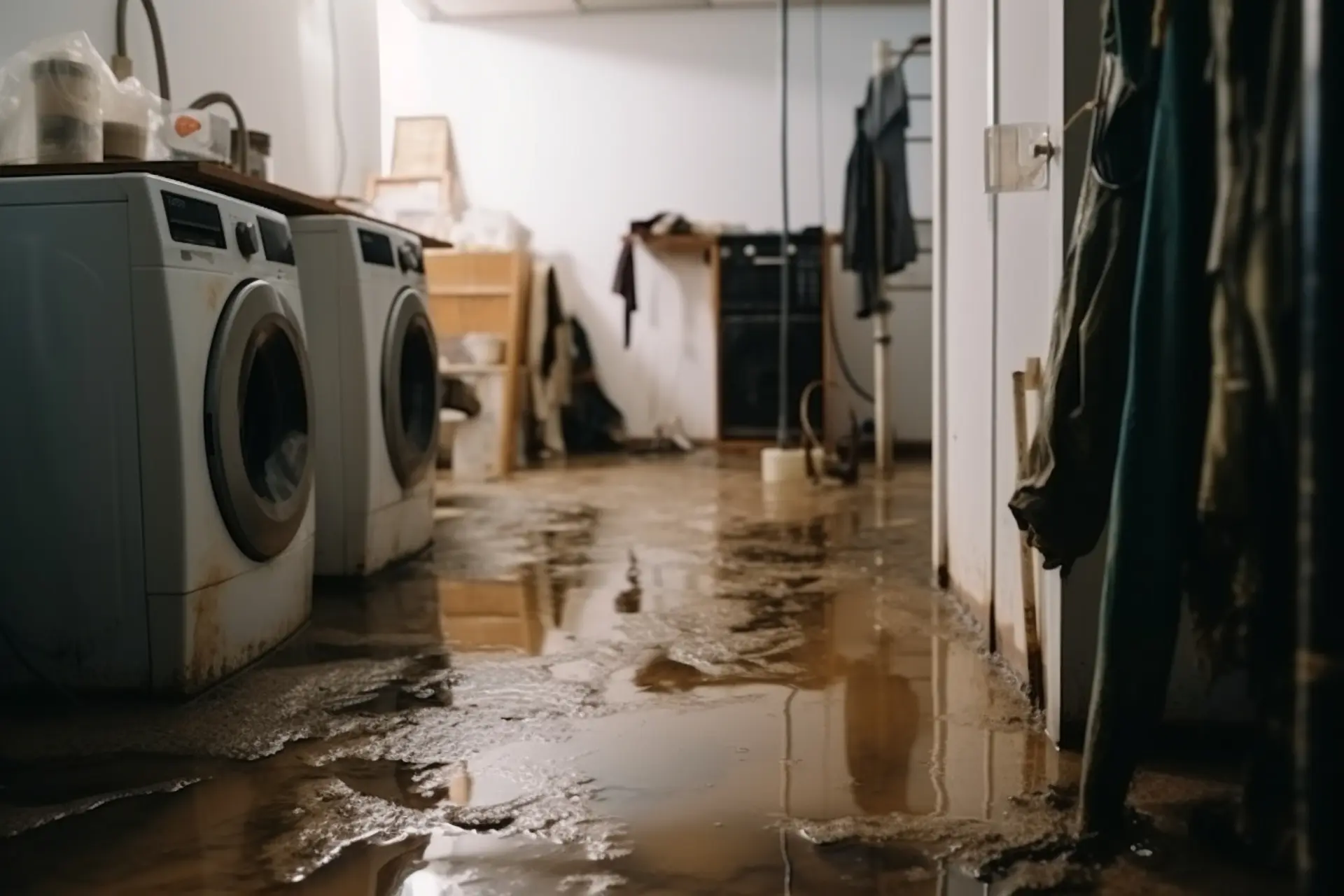
Laundry rooms are one of the most overlooked mold-prone spaces in Merritt Island homes—especially those near the Indian River. They’re used frequently, exposed to heat and moisture, and often tucked into interior corners with limited airflow. In a coastal environment where humidity is already high, it doesn’t take much for a laundry room to become a mold hotspot.
For Indian River property owners, understanding why laundry rooms are so vulnerable helps catch problems early—before moisture spreads into walls, floors, and nearby rooms.
Why Laundry Rooms Near the Indian River Are High Risk
Homes close to the Indian River deal with constant moisture pressure from the environment. Laundry rooms amplify that risk because they introduce additional water and humidity on a regular basis.
Common contributing factors include:
- High ambient humidity from the river
- Warm air produced by dryers
- Water supply and drain connections
- Condensation on appliances and pipes
- Limited ventilation or enclosed layouts
Even when everything appears to be working properly, moisture can build up faster than it can dry.
How Mold Typically Develops in Laundry Rooms
Mold growth in laundry rooms usually isn’t caused by a single major leak. More often, it’s the result of repeated low-level moisture that stays trapped.
Typical triggers include:
- Small hose leaks behind washers
- Loose or aging drain connections
- Condensation forming on cold pipes
- Dryer vents that aren’t exhausting properly
- Spills or overflows that weren’t fully dried
When moisture soaks into drywall, baseboards, or cabinetry and doesn’t dry quickly, mold can begin growing within days.
Common Mold Locations in Indian River Laundry Rooms
Laundry room mold often appears in places homeowners don’t routinely inspect:
Behind the Washer and Dryer
Leaks and condensation are easy to miss when appliances are pushed tight against the wall.
Lower Walls and Baseboards
Moisture from slabs or small spills often affects drywall near the floor first.
Cabinet Bases and Shelving
Wood and composite materials absorb moisture easily and can support hidden mold growth.
Ceilings and Upper Corners
Poor ventilation allows humid air to rise and linger, especially in interior laundry rooms.
Early Warning Signs Mold May Be Present
Laundry room mold often gives subtle clues before it becomes visible. Watch for:
- Musty or sour odors near appliances
- Peeling or bubbling paint
- Warped baseboards or cabinet bottoms
- Rust on appliance fittings or shelves
- Damp-feeling air that doesn’t clear
In Indian River homes, these signs may worsen after heavy rain or during long humid stretches.
Why Laundry Room Mold Often Spreads
Laundry rooms are usually connected to other interior spaces. Once mold establishes itself, moisture and spores can migrate into:
- Adjacent hallways or bathrooms
- Wall cavities shared with living spaces
- HVAC return pathways
Because laundry rooms are used frequently, doors open and close often—allowing odors and spores to move easily through the home.
The Role of Slab Foundations and Ground Moisture
Many Merritt Island homes, including those near the Indian River, are built on concrete slabs. Slabs can absorb moisture from the ground and release it slowly into the air.
In laundry rooms, that moisture combines with appliance-related humidity, making it harder for the space to fully dry—especially when ventilation is limited.
Why Surface Cleaning Usually Isn’t Enough
Wiping visible mold or repainting walls may improve appearance temporarily, but it doesn’t address moisture trapped behind walls or under cabinets. Without fixing the moisture source and improving drying conditions, mold often returns.
Laundry room mold problems require identifying where moisture is coming from and where it’s being trapped.
How Professionals Evaluate Laundry Room Mold
A proper evaluation looks beyond visible staining. It often includes:
- Moisture readings in walls, floors, and cabinetry
- Inspection of appliance connections and drain lines
- Assessment of ventilation and airflow
- Evaluation of adjacent rooms for spread
Local specialists such as Mold Removal Merritt Island understand how Indian River humidity, slab construction, and interior laundry layouts interact to create mold risk.
Practical Steps to Reduce Laundry Room Mold Risk
Property owners can take effective steps right away:
- Inspect hoses and connections regularly
- Dry spills immediately and thoroughly
- Ensure dryer vents exhaust outdoors properly
- Improve airflow with fans or ventilation
- Keep the area behind appliances accessible
- Monitor indoor humidity levels
Consistency matters more than major renovations.
Why Early Attention Makes a Difference
Laundry room mold often starts small, but it rarely stays that way. Left unaddressed, moisture can spread into walls, cabinetry, and nearby rooms—leading to more extensive repairs later.
Early detection usually means simpler solutions and less disruption.
A Practical Next Step for Indian River Property Owners
If your laundry room smells musty, feels damp, or shows signs of staining or material changes, it’s worth taking a closer look. Laundry rooms may be small spaces, but in Merritt Island’s coastal environment, they’re often early indicators of broader moisture issues.
Staying ahead of moisture in laundry rooms helps protect your home, appliances, and indoor environment.
