
Tenant Mold Rights in South Merritt Island: What Merritt Island Property Owners Should Know
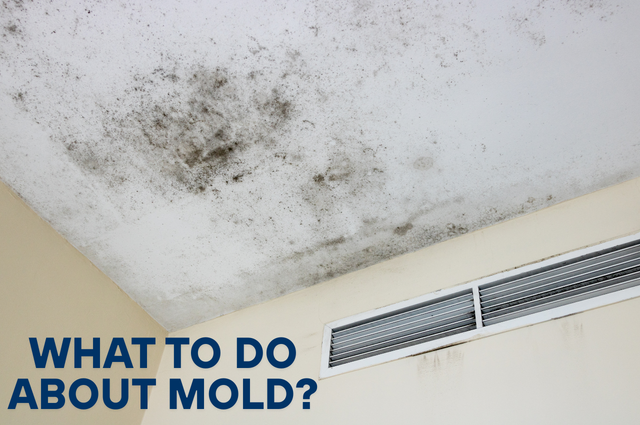
In South Merritt Island, mold concerns in rental properties are common—and they often raise questions on both sides of the lease. Tenants want safe, livable homes. Property owners want clarity on responsibilities and practical steps that prevent disputes. Coastal humidity, storms, slab construction, and salt air all complicate the picture, making it important to understand how tenant mold rights intersect with property maintenance in this area.
This guide focuses on what property owners should know about tenant mold rights in South Merritt Island, how mold issues typically arise, and why early, documented action protects everyone involved.
What “Tenant Mold Rights” Really Mean in Practice
Tenant mold rights generally relate to habitability and maintenance, not instant fault. In practical terms, tenants have the right to live in a rental that is maintained in a condition fit for occupancy. Mold becomes a concern when moisture problems tied to the property are not addressed.
From a property-owner perspective, this usually means:
- Maintaining plumbing, roofing, windows, and structure
- Addressing water intrusion and leaks promptly
- Ensuring ventilation systems function as intended
- Keeping HVAC systems in good working order
- Responding to written tenant notices about moisture or mold
The core issue isn’t mold itself—it’s unmanaged moisture.
Why Mold Complaints Are Common in South Merritt Island Rentals
South Merritt Island’s environment increases mold risk in ways tenants often notice before owners do.
Coastal humidity year-round
Humidity stays elevated, allowing moisture to linger indoors even without obvious leaks.
Waterfront and lagoon proximity
Homes near waterways experience higher moisture pressure on slabs and walls.
Storm exposure
Wind-driven rain can enter roofs, walls, and window systems during storms.
Slab-on-grade construction
Moisture can migrate upward through concrete slabs beneath flooring.
Salt air effects
Salt accelerates corrosion, increasing the chance of plumbing or HVAC leaks.
These factors make timely maintenance essential to avoid tenant complaints.
Common Mold Situations That Trigger Tenant Concerns
Tenants usually report mold after noticing changes in their living space.
- Musty or damp odors that don’t go away
- Visible growth in bathrooms or closets
- Bubbling paint or stained walls
- Warped baseboards or flooring
- Condensation around vents or windows
- Damp cabinets under sinks
In South Merritt Island rentals, these issues often appear after storms or during peak humidity months.
Where Mold Problems Often Start in Rental Homes
Many mold issues originate in areas tenants can’t easily see.
Behind walls and ceilings
Slow plumbing leaks or roof intrusion can feed mold inside cavities.
Under flooring
Moisture from slabs or past water events becomes trapped beneath floors.
HVAC systems
Condensation in air handlers and ductwork is a frequent source.
Bathrooms without proper ventilation
Steam buildup leads to persistent moisture.
Previous water damage
Repairs that addressed surfaces may not have removed trapped moisture.
Understanding these sources helps owners respond effectively to tenant reports.
Why Quick Fixes Often Lead to Ongoing Complaints
When tenants report mold, rushed solutions can create repeat problems.
Surface cleaning only
Wiping visible mold doesn’t address hidden growth.
Painting over stains
This masks symptoms while moisture remains.
Ignoring humidity issues
High indoor humidity continues feeding mold.
Incomplete repairs
Fixing finishes without correcting leaks leads to recurrence.
In coastal rentals, incomplete fixes often result in repeated tenant concerns.
Professional Mold Inspection and Documentation Explained
A professional inspection provides clarity and documentation for both parties.
Visual assessment
Inspectors evaluate reported areas and common moisture zones.
Moisture detection tools
Meters and infrared imaging locate hidden dampness.
Targeted sampling when appropriate
Air or surface samples may confirm mold presence and extent.
Clear explanations
Findings are explained in straightforward language for informed decisions.
This process helps owners respond appropriately and avoid guesswork.
Proper Mold Remediation in Tenant-Occupied Homes
Effective remediation balances thoroughness with minimal disruption.
Containment
Affected areas are isolated to prevent spore spread.
Selective material removal
Only damaged materials are removed.
Detailed cleaning
Surfaces are cleaned using appropriate methods.
Moisture correction
Leaks, condensation, or intrusion points are addressed.
Prevention planning
Steps are recommended to reduce future moisture problems.
Mold Removal Merritt Island approaches tenant-related mold issues with a focus on clear communication and long-term solutions.
How Property Owners Can Reduce Tenant Mold Disputes
Preventive management goes a long way in South Merritt Island rentals.
- Respond promptly to written moisture complaints
- Inspect plumbing and HVAC systems regularly
- Ensure bathroom and kitchen ventilation works
- Address leaks immediately
- Inspect properties after storms
- Monitor indoor humidity levels
- Document inspections and repairs
Consistent attention reduces both mold risk and tenant frustration.
Why Local South Merritt Island Experience Matters
Tenant mold concerns in South Merritt Island differ from inland areas. Local experience means understanding:
- Coastal humidity behavior
- Salt air corrosion effects
- Slab-related moisture movement
- Storm-driven water intrusion
- Common rental construction styles
This knowledge leads to faster identification and more effective solutions.
A Practical Next Step for Property Owners
When tenants report mold or moisture issues, early investigation is the most effective response. Mold concerns rarely resolve on their own in coastal rentals and often become more complicated when delayed.
A professional inspection can identify the moisture source, clarify the scope of the issue, and outline practical next steps—without pressure or alarm. For South Merritt Island property owners, prompt, documented action helps protect the property, maintain positive tenant relationships, and reduce long-term costs.
