
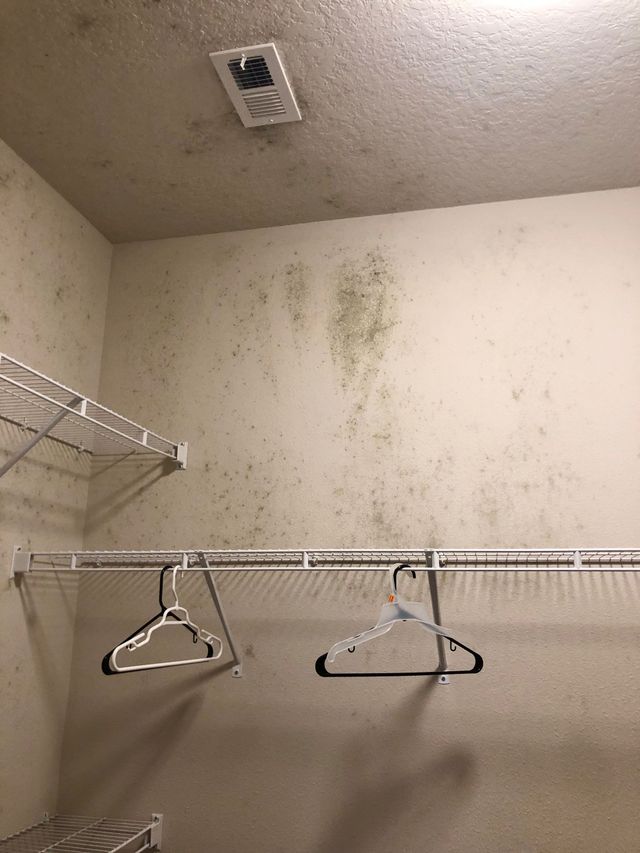
Mold in Closets in Banana River: What Merritt Island Property Owners Should Know
Closets are one of the most common places for mold to develop in Banana River homes—and also one of the easiest places to overlook. Because closets are enclosed, lightly used, and often tucked against exterior walls, moisture can build up quietly. In Merritt Island’s coastal environment, that trapped moisture doesn’t take long to turn into mold.
For property owners near the Banana River, understanding why closets are so vulnerable helps catch problems early and prevent spread into living spaces.
Why Closets Near the Banana River Are High-Risk Areas
Homes along the Banana River sit in a humid, moisture-rich microclimate. Even when the rest of the house feels comfortable, closets often tell a different story.
Several local factors make closets especially prone to mold:
- Constant coastal humidity from the river
- Limited airflow in enclosed spaces
- Exterior walls that transfer moisture inward
- Concrete slabs releasing ground moisture
- Cooler temperatures inside closets compared to surrounding rooms
When warm, humid air meets cooler surfaces with little ventilation, condensation forms—and mold follows.
How Mold Typically Starts in Closets
Closet mold usually develops slowly and quietly. Moisture settles into drywall, wood framing, or stored items and stays there long enough for mold to grow.
Common triggers include:
- Humid air trapped behind closed doors
- Clothes and boxes blocking airflow
- Seasonal changes that increase condensation
- Minor wall or roof leaks affecting exterior walls
- AC cooling without adequate dehumidification
Because closets are rarely inspected closely, mold can spread for weeks or months before being noticed.
Common Closet Mold Locations in Banana River Homes
Closet mold often shows up in predictable places:
Exterior Wall Corners
Closets built along outside walls are exposed to warm, humid air on one side and cooler indoor air on the other, creating condensation points.
Behind Clothing and Shelving
Hanging clothes and packed shelves restrict airflow, trapping moisture against walls.
Lower Wall Sections and Base Areas
Moisture migrating upward through slabs can affect drywall near the floor, especially in ground-level closets.
Ceilings in Upper Closets
Poor attic ventilation can allow moisture to collect above closet ceilings.
Early Signs Mold May Be Growing in a Closet
Closet mold doesn’t always look dramatic at first. Watch for:
- Musty or stale odors when opening the door
- Clothes smelling damp even when clean
- Light gray, green, or dark spotting on walls
- Peeling paint or soft drywall
- Rust on hangers or shelving brackets
Odors are often the first sign, especially in Banana River homes where humidity stays high.
Why Closet Mold Often Goes Unnoticed
Closets are used briefly and infrequently compared to other rooms. Doors stay closed, lights stay off, and airflow remains limited. That makes them ideal environments for mold to grow without drawing attention.
Many homeowners first discover closet mold when:
- Seasonal clothing is rotated
- Items are removed for cleaning or moving
- Odors spread into adjacent rooms
By then, moisture has often been present for some time.
How Closet Mold Can Affect the Rest of the Home
Closets may feel isolated, but they’re connected to the rest of the house through wall cavities and air movement. Mold spores and odors can migrate into bedrooms or hallways, especially when doors are opened or the AC is running.
In attached homes near the Banana River, this spread is more common due to constant humidity and airflow patterns.
Why Surface Cleaning Usually Isn’t Enough
Wiping visible mold inside a closet may improve appearance temporarily, but it rarely fixes the root problem. Without addressing moisture and airflow, mold often returns—sometimes worse than before.
Closet mold is usually a symptom of:
- High indoor humidity
- Poor ventilation
- Moisture intrusion through exterior walls
Until those conditions are corrected, cleaning alone won’t solve the issue.
How Professionals Evaluate Closet Mold
A proper evaluation looks beyond what’s visible. It may include:
- Moisture readings in walls and flooring
- Inspection of exterior wall conditions
- Assessment of humidity and airflow
- Evaluation of attic or slab-related moisture
Local specialists such as Mold Removal Merritt Island understand how Banana River conditions affect moisture movement in enclosed spaces like closets.
Practical Steps to Reduce Closet Mold Risk
Homeowners can take several effective steps right away:
- Keep closet doors open periodically to improve airflow
- Avoid overpacking closets
- Use moisture absorbers or dehumidifiers when needed
- Keep clothing slightly spaced rather than tightly packed
- Monitor indoor humidity levels
- Address musty odors immediately
Small changes often make a big difference in Banana River homes.
Why Early Attention Matters
Closet mold rarely stays contained. Left unchecked, it can spread behind walls, affect stored belongings, and contribute to broader indoor air quality issues. Early attention usually means simpler solutions and less disruption.
Waiting often leads to deeper contamination and more involved remediation.
A Practical Next Step for Banana River Property Owners
If your closet smells musty, feels damp, or shows signs of discoloration, it’s worth investigating sooner rather than later. Closets may be small spaces, but in Merritt Island’s coastal climate, they’re often early indicators of larger moisture issues.
Staying ahead of moisture in closets helps protect your home, your belongings, and your overall indoor environment.
