
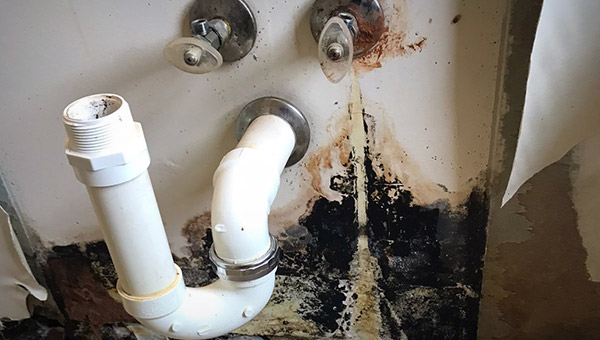
Mold After Plumbing Leaks in North Merritt Island: What Merritt Island Property Owners Should Know
Plumbing leaks are one of the most common—and most overlooked—causes of mold in North Merritt Island homes. A slow drip under a sink, a pinhole leak in a wall, or a failed supply line can release moisture for weeks before anyone notices. In a coastal environment with constant humidity, that hidden moisture doesn’t dry out on its own. It lingers, spreads, and often leads to mold growth behind walls and under floors.
For property owners in North Merritt Island, understanding how plumbing leaks turn into mold problems can help prevent small issues from becoming major repairs.
Why Plumbing Leaks Are Especially Risky in North Merritt Island
North Merritt Island homes sit close to waterways like Sykes Creek and the Indian River, where humidity remains high year-round. That means even a minor plumbing leak can keep surrounding materials damp far longer than expected.
Several local factors increase risk:
- Warm, humid air that slows evaporation
- Slab foundations common to the area
- Older plumbing components in established neighborhoods
- Salt air that accelerates corrosion on pipes and fittings
When moisture can’t dry quickly, mold has time to establish and spread.
How Mold Develops After a Plumbing Leak
Plumbing leaks don’t usually announce themselves dramatically. Many start small and remain hidden, releasing moisture into enclosed spaces.
After a leak begins, moisture soaks into:
- Drywall and insulation
- Wood framing and subfloors
- Cabinet bases and flooring adhesives
Mold can begin growing within days when materials stay damp. Even if the leak stops or slows, moisture trapped in these materials can continue feeding mold long afterward.
Common Plumbing Leak Sources in North Merritt Island Homes
Some of the most frequent leak sources locally include:
- Supply lines under sinks and behind toilets
- Aging copper pipes with pinhole leaks
- Failed fittings inside walls
- AC condensate line backups mistaken for plumbing leaks
- Dishwasher and washing machine connections
Because many of these leaks occur out of sight, mold often becomes established before visible damage appears.
Early Warning Signs Mold May Be Developing
Mold related to plumbing leaks often shows subtle signs first. Property owners should watch for:
- Musty or damp odors near kitchens or bathrooms
- Warped baseboards or flooring
- Bubbling or peeling paint
- Soft or spongy drywall
- Cabinets that feel damp or smell earthy
In North Merritt Island, these signs often worsen after humidity spikes or heavy water use.
Why Mold Is Often Hidden After Plumbing Leaks
Unlike roof leaks that affect ceilings, plumbing leaks usually impact wall cavities and floor systems. These areas can stay wet without obvious surface damage.
It’s common for homeowners to repair the plumbing issue and assume the problem is solved—only to discover mold weeks or months later when odors or damage appear.
Slab Homes and Moisture Migration
Many North Merritt Island homes are built on slabs. When plumbing leaks occur under or near slabs, moisture can migrate outward and upward, affecting flooring and walls far from the original leak.
This makes leak-related mold harder to trace without proper moisture evaluation.
Why Simply Fixing the Leak Isn’t Always Enough
Stopping the water source is critical, but it doesn’t automatically remove moisture that has already soaked into materials. Drywall, insulation, and wood can hold moisture long after a leak is repaired.
Without proper drying and assessment, mold can continue growing out of sight even though the plumbing issue is resolved.
Mold and Insurance After Plumbing Leaks
Insurance coverage for mold after plumbing leaks often depends on how quickly the leak was discovered and addressed. Sudden, accidental leaks are more likely to be covered than slow, long-term drips.
Documentation matters. Delays in identifying leaks or mold can complicate claims, especially if damage appears extensive.
How Professionals Assess Mold After Plumbing Leaks
A proper evaluation looks beyond visible damage. It typically includes:
- Moisture readings in walls, floors, and cabinets
- Inspection of affected plumbing areas
- Assessment of adjacent rooms for spread
- Evaluation of drying conditions and ventilation
Local specialists such as Mold Removal Merritt Island understand how North Merritt Island’s humidity and construction styles influence moisture movement and mold growth.
Why DIY Cleanup Often Misses the Real Problem
Surface cleaning or replacing visible materials doesn’t address moisture trapped behind walls or under flooring. Covering stains or odors without proper drying often allows mold to continue spreading unseen.
Plumbing-leak-related mold requires identifying all affected materials, not just the obvious ones.
Preventing Mold After Future Plumbing Leaks
While leaks can’t always be prevented, mold often can be with fast action:
- Inspect under sinks and around appliances regularly
- Address plumbing leaks immediately, no matter how small
- Dry affected areas thoroughly
- Monitor humidity levels
- Pay attention to new odors or stains
Speed is especially important in North Merritt Island’s humid climate.
Why Early Attention Saves Time and Cost
Plumbing leaks are common, but mold doesn’t have to be the outcome. Catching moisture early often limits damage to a small area. Waiting usually means larger affected sections and more invasive repairs.
Early evaluation protects both the structure and indoor environment.
A Practical Next Step for North Merritt Island Property Owners
If your home has had a plumbing leak—recent or past—and you notice odors, staining, or moisture-related changes, it’s worth taking a closer look. A professional assessment can clarify whether moisture or mold remains and help guide next steps.
In North Merritt Island, plumbing leaks and mold often go hand in hand—but timely action makes all the difference.
