
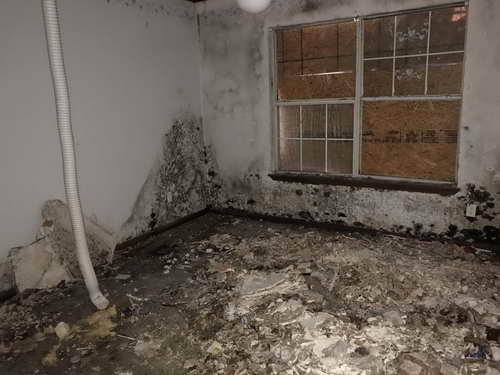
Mold in Older Homes in Indian River: What Merritt Island Property Owners Should Know
Older homes along the Indian River have a lot of character. Mature neighborhoods, solid construction, and waterfront proximity make them some of the most desirable properties on Merritt Island. But age, combined with constant coastal moisture, also makes these homes more vulnerable to mold problems—often in ways that aren’t obvious at first glance.
For property owners, understanding why mold behaves differently in older Indian River homes is essential to protecting both the structure and the indoor environment.
Why Older Indian River Homes Face Higher Mold Risk
Many homes near the Indian River were built decades ago, long before today’s moisture-control standards were common. While these homes were often well built, they weren’t designed for modern expectations around humidity management.
Common risk factors include:
- Construction materials that absorb moisture more easily
- Older roofing and flashing systems
- Minimal or outdated attic ventilation
- Slab foundations without modern vapor barriers
- Aging plumbing and AC systems
Combine these factors with year-round humidity and frequent storms, and mold has plenty of opportunity to develop.
How Coastal Conditions Accelerate Mold in Older Homes
Living near the Indian River means constant exposure to moisture-rich air. In older homes, that moisture tends to settle into places that were never meant to stay dry long-term.
Salt air also plays a role. Over time, it corrodes metal components, degrades seals, and shortens the lifespan of roofing materials. Even small failures can allow water intrusion that feeds mold growth behind walls or above ceilings.
Common Mold Locations in Older Indian River Properties
Older homes often develop mold in predictable areas:
Attics
Insufficient ventilation allows warm, humid air to collect. Mold commonly forms on roof decking, rafters, and insulation.
Behind Drywall
Minor leaks from older plumbing or past roof issues can feed mold inside wall cavities without obvious surface damage.
Under Flooring
Moisture migrating upward through slabs can affect adhesives, wood flooring, and baseboards.
HVAC Systems
Older ductwork and air handlers may lack proper insulation or drainage, allowing condensation and mold growth.
Closets on Exterior Walls
Limited airflow and proximity to humid outdoor air make these frequent problem areas.
Signs Mold May Be Developing in an Older Home
Mold in older homes often announces itself quietly. Watch for:
- Persistent musty or earthy odors
- Bubbling or peeling paint
- Warped baseboards or flooring
- Rusted nails or metal fixtures
- Odors that worsen after rain
These signs usually point to ongoing moisture, even if mold isn’t visible yet.
Why Mold Is Often Hidden in Older Homes
One of the challenges with older Indian River homes is that mold frequently develops out of sight. Building practices at the time didn’t always prioritize accessibility for inspections, making it easier for moisture problems to go unnoticed.
By the time mold appears on surfaces, it has often been growing behind the scenes for quite a while.
The Role of AC Systems in Older Homes
Air conditioning plays a major role in moisture control. In older homes, AC systems may be:
- Oversized for the home
- Poorly insulated in attics
- Equipped with aging drain lines
- Missing modern humidity controls
When AC systems cool without properly removing moisture, indoor humidity remains high—creating ideal conditions for mold.
Why DIY Fixes Often Miss the Bigger Problem
Surface cleaning may improve appearance temporarily, but it rarely solves mold problems in older homes. Without identifying and correcting the moisture source, mold tends to return—sometimes in a different location.
Older homes require a more comprehensive approach that looks at ventilation, moisture movement, and material condition.
How Professionals Evaluate Older Homes Near the Indian River
A proper evaluation goes beyond visible mold. It often includes:
- Moisture readings in walls, ceilings, and floors
- Attic and crawl space inspections
- HVAC system assessment
- Identification of past water intrusion
Local professionals like Mold Removal Merritt Island understand how older construction and Indian River conditions interact, allowing for more accurate diagnosis.
Prevention Strategies for Older Indian River Homes
Preventing mold in older homes focuses on managing moisture consistently:
- Keep indoor humidity below 60 percent
- Improve attic ventilation where possible
- Maintain roofs, flashing, and seals carefully
- Service AC systems regularly
- Inspect the home after storms
Small improvements can make a big difference when done consistently.
Why Early Attention Protects Your Investment
Older homes often have materials that are harder or more expensive to replace. Addressing moisture and mold early helps preserve original features, structural integrity, and indoor comfort.
Waiting usually leads to more extensive repairs and greater disruption.
A Practical Next Step for Indian River Homeowners
If you own an older home near the Indian River and notice musty odors, moisture signs, or unexplained changes in indoor comfort, it’s worth taking a closer look. Early evaluation provides clarity and helps you plan solutions that respect both the home’s character and its long-term condition.
Older homes can remain healthy and comfortable—but only when moisture is managed with intention.
