
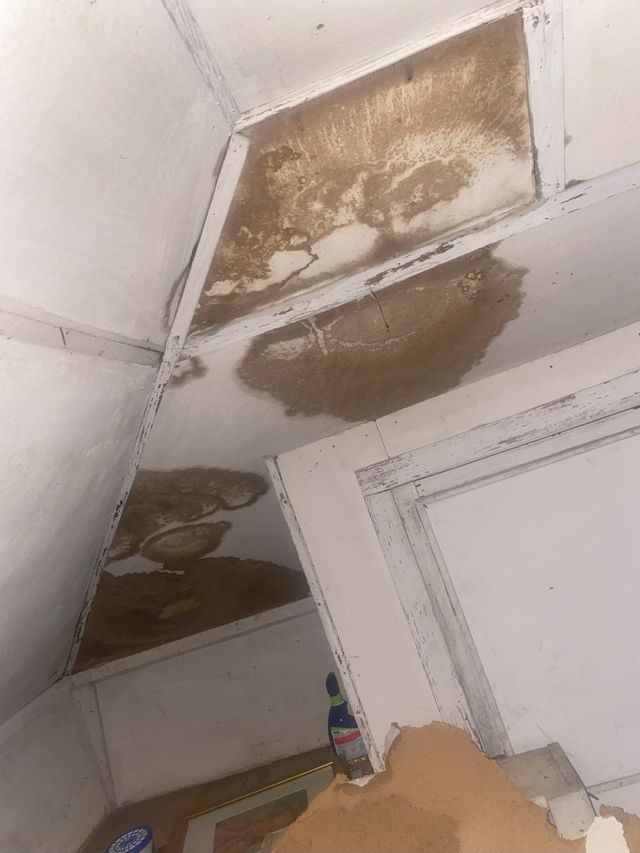
Coastal Humidity Mold Issues in South Merritt Island: What Merritt Island Property Owners Should Know
In South Merritt Island, coastal humidity isn’t an occasional inconvenience—it’s a constant presence. Surrounded by waterways, exposed to daily sea breezes, and shaped by Florida’s subtropical climate, homes here deal with moisture in ways many homeowners don’t fully realize until mold becomes a recurring issue.
If you’ve noticed musty odors that come and go, mold returning in the same spots, or rooms that feel damp even when the air conditioning is running, coastal humidity is often the missing piece of the puzzle. In South Merritt Island, mold problems are rarely caused by a single leak or event. They’re usually the result of persistent humidity that never fully leaves the home.
Understanding how coastal humidity behaves—and how it feeds mold growth—helps property owners take control before small issues turn into ongoing problems.
What the Mold Issue Is with Coastal Humidity
Mold tied to coastal humidity doesn’t usually start with visible water. Instead, it develops when moisture in the air settles into building materials and doesn’t dry completely.
In South Merritt Island homes, coastal humidity leads to:
- Constant moisture absorption by walls, floors, and ceilings
- Slow drying after showers, cooking, or storms
- Frequent condensation on cool surfaces
- Damp materials that stay just wet enough for mold to grow
Mold doesn’t need flooding or dripping pipes. In a humid coastal environment, steady moisture alone is enough to support growth over time.
Why This Happens So Often in South Merritt Island
South Merritt Island’s location makes it especially vulnerable to humidity-driven mold issues.
Surrounded by Waterways
With the Indian River, Banana River, and nearby lagoons, moisture is always present in the air. Even on clear days, humidity levels remain elevated, especially overnight and in the early morning.
Limited Natural Drying
Coastal air slows evaporation. Materials that would dry quickly inland often stay damp much longer here, especially inside homes with limited airflow.
High Water Table
Much of South Merritt Island sits over a high water table. Moisture from the ground can migrate upward through slabs and affect lower walls and flooring, adding to indoor humidity.
Heavy AC Reliance
Air conditioning runs most of the year. While AC removes moisture, it can also create condensation problems if systems are oversized, short-cycling, or poorly balanced.
Common Signs Homeowners Notice
Coastal humidity mold issues tend to show up gradually.
- Musty or earthy odors, especially near floors or vents
- Mold returning in the same rooms despite cleaning
- Condensation on windows, vents, or ceilings
- Bubbling or peeling paint on lower walls
- Floors that feel cool or slightly damp
- Indoor air that feels heavy or sticky
These symptoms often worsen after rain, during humid weather, or when the home has been closed up for a few days.
Hidden or Overlooked Mold Sources Caused by Humidity
One of the biggest challenges with coastal humidity is how often mold grows out of sight.
Behind Walls
Humid air moves into wall cavities through small gaps and penetrations. Once inside, limited airflow allows moisture to linger on drywall backing and insulation.
Under Flooring
In slab homes, moisture from the ground combined with humid indoor air can become trapped beneath laminate, vinyl plank, tile underlayment, or carpet padding.
Attics
Warm, humid air rises and condenses on cooler roof decking, especially in homes with insufficient attic ventilation. Attic mold is extremely common in South Merritt Island.
HVAC Systems
Air handlers, drain pans, duct insulation, and vents are frequent mold sources due to constant condensation in humid conditions.
Bathrooms and Kitchens
Even well-used exhaust fans can struggle to keep up with moisture when coastal humidity is already high.
Why DIY Mold Removal Usually Fails in Humid Coastal Homes
Many homeowners try to manage mold with cleaners, dehumidifiers, or extra AC use. While these steps may help temporarily, they rarely solve the underlying problem.
DIY efforts often fail because:
- Surface cleaning doesn’t remove moisture from materials
- Bleach doesn’t penetrate porous surfaces
- Mold spores spread during scrubbing
- Humidity sources remain active
As long as indoor humidity stays elevated, mold has the conditions it needs to return.
Professional Mold Inspection & Testing Explained
A proper inspection for coastal humidity mold issues focuses on moisture behavior, not just visible growth.
Visual Inspection
Inspectors examine baseboards, flooring transitions, HVAC components, bathrooms, kitchens, and attic access points where humidity-related mold is common.
Moisture Detection
Professional tools are used to locate:
- Damp drywall and insulation
- Moisture beneath flooring
- Condensation-prone surfaces
- Elevated humidity zones
This helps identify problem areas without unnecessary demolition.
Mold Testing When Relevant
Testing may be recommended when mold is suspected but not visible, documentation is needed, or post-remediation verification is required. Results are explained clearly and used to support findings.
Proper Mold Removal & Remediation in Coastal Humidity Conditions
Effective remediation in South Merritt Island homes must address both mold and moisture.
Containment
Affected areas are isolated to prevent mold spores from spreading during removal.
Safe Removal of Contaminated Materials
Porous materials such as drywall, insulation, or flooring are removed when they can’t be dried safely.
Moisture Source Correction
This may involve improving ventilation, adjusting HVAC performance, addressing slab moisture migration, or enhancing dehumidification.
Drying and Stabilization
Materials are dried thoroughly, and moisture levels are confirmed before repairs or rebuilding.
Without humidity control, remediation will not last.
How to Prevent Mold in South Merritt Island Homes
Preventing mold in a coastal humidity environment requires consistency.
- Maintain stable indoor humidity levels
- Run AC systems steadily instead of short cycling
- Keep HVAC drain lines clean and flowing
- Ensure attic ventilation is working properly
- Use bathroom and kitchen exhaust fans consistently
- Inspect baseboards and floors after storms
- Address even minor moisture issues quickly
Regular monitoring makes a significant difference in coastal homes.
Why Local Merritt Island Experience Matters
Coastal humidity mold issues are specific to environments like South Merritt Island. Homes just a few miles inland often behave very differently.
A local company like Mold Removal Merritt Island understands:
- How coastal humidity affects homes here year-round
- Where mold typically develops in South Merritt Island properties
- How to distinguish surface mold from deeper moisture problems
Local experience leads to more accurate inspections and longer-lasting solutions.
A Calm, Practical Next Step for Property Owners
Coastal humidity is part of life in South Merritt Island, but recurring mold doesn’t have to be. When homeowners understand how humidity interacts with their home’s structure and systems, mold becomes much easier to control.
If you’re dealing with musty odors, recurring mold, or damp indoor conditions, a professional evaluation can help identify where moisture is building up and how to correct it.
Mold Removal Merritt Island works with homeowners, landlords, and property managers throughout South Merritt Island and surrounding Brevard County communities to assess humidity-related mold issues responsibly and help prevent them from returning.
In a coastal environment, managing humidity isn’t just comfort—it’s one of the most important steps in protecting your home long-term.
