
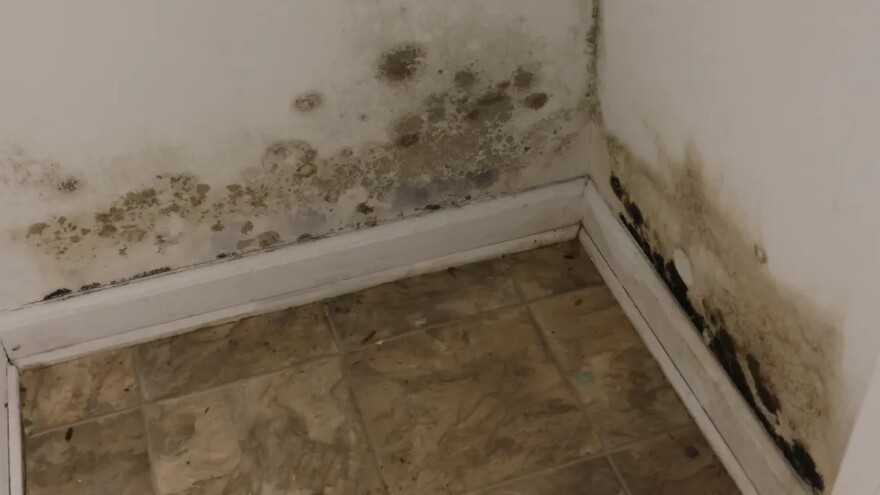
Salt Air and Mold Growth in North Merritt Island: What Merritt Island Property Owners Should Know
If you live in North Merritt Island, salt air is part of daily life. You see it on car windows, feel it on evening breezes, and notice it on outdoor fixtures over time. What many homeowners don’t realize is how closely salt air and mold growth are connected—especially in homes near the Banana River, Sykes Creek, and other waterways.
Salt air doesn’t directly cause mold. Instead, it quietly accelerates moisture problems that allow mold to take hold. Corroded components, failing seals, and reduced ventilation efficiency all make it easier for moisture to linger. In North Merritt Island’s already humid environment, that combination creates ideal conditions for mold to develop inside homes that otherwise appear well maintained.
Understanding how salt air contributes to mold growth helps property owners catch problems early and avoid the cycle of repeated cleanup.
What the Mold Issue Is When Salt Air Is Involved
Mold linked to salt air exposure usually isn’t sudden or obvious. It develops gradually as moisture control systems weaken over time. Salt particles in the air settle on surfaces and equipment, especially metal components, and speed up corrosion.
As corrosion progresses:
- HVAC systems lose efficiency
- Drain pans and lines clog more easily
- Ventilation fans underperform
- Window and door seals deteriorate
Each of these issues allows moisture to remain indoors longer than it should. Mold doesn’t need standing water—just consistent dampness and limited airflow.
In North Merritt Island homes, salt air often acts as the silent contributor that turns minor moisture into a recurring mold problem.
Why This Happens So Often in North Merritt Island
North Merritt Island homes are especially exposed to salt air because of their proximity to open waterways and prevailing coastal winds.
Constant Coastal Exposure
Even homes several blocks from the water are affected. Salt particles travel easily through humid air and settle on rooftops, HVAC units, attic vents, and exterior walls.
Persistent Humidity
Salt air doesn’t dry out structures. Combined with lagoon humidity from the Indian River and Banana River, moisture stays present day and night, especially during summer and storm seasons.
Accelerated Wear on Building Systems
Salt speeds up the breakdown of:
- AC coils and housings
- Condensate drain pans
- Exhaust fans and vent covers
- Metal fasteners and brackets
As these systems degrade, moisture removal becomes less effective.
Storms and Wind-Driven Rain
North Merritt Island sees frequent storms that push salt-laden rain into small openings around roofs, windows, and siding. Moisture can enter wall cavities without obvious interior leaks.
Common Signs Homeowners Notice
When salt air contributes to mold growth, homeowners often notice patterns rather than one clear event.
- Musty or stale odors that return after cleaning
- Mold appearing repeatedly in the same locations
- Condensation on vents or windows even with AC running
- Rust or corrosion near HVAC equipment
- Peeling paint or bubbling drywall near exterior walls
- Rooms that feel damp or sticky despite cooling
Because these signs develop slowly, they’re often mistaken for normal coastal wear rather than early mold indicators.
Hidden or Overlooked Mold Sources Linked to Salt Air
Salt air-related mold problems often start in places homeowners rarely inspect.
HVAC Systems
Salt corrosion affects coils, drain pans, and internal components. When drainage slows or airflow weakens, condensation builds up inside the system, feeding mold growth that can spread through ductwork.
Attics
Salt air enters attics through vents. Combined with humid air rising from the living space below, this leads to condensation on roof decking and framing—one of the most common attic mold scenarios in North Merritt Island.
Behind Exterior Walls
Corroded fasteners and degraded seals around windows and wall penetrations allow moisture intrusion. Mold often develops behind drywall long before surface damage appears.
Under Flooring
In slab homes, salt air contributes indirectly by increasing indoor humidity. Moisture migrating through the slab can become trapped under flooring, especially laminate and vinyl.
Exhaust and Ventilation Fans
Bathroom and kitchen fans exposed to salt air lose efficiency over time, allowing steam and moisture to linger indoors.
Why DIY Mold Removal Usually Fails in Salt Air Homes
Many homeowners try to manage mold with cleaners, dehumidifiers, or vent cleaning. While these steps may help temporarily, they rarely solve the problem when salt air is involved.
DIY methods usually fail because:
- They don’t address corroded or failing systems
- Moisture sources remain active
- Surface cleaning doesn’t reach hidden growth
- Corrosion continues to worsen over time
As long as moisture removal systems are compromised, mold tends to return—often in the same areas.
Professional Mold Inspection & Testing Explained
A proper mold inspection in a salt-air environment looks beyond visible mold.
Visual Inspection
Inspectors focus on HVAC equipment, attic spaces, exterior walls, baseboards, vents, and areas with visible corrosion.
Moisture Detection
Specialized tools help identify:
- Damp drywall and insulation
- Condensation-prone areas
- Moisture beneath flooring
- Elevated humidity zones
This step is critical because salt air-related moisture is often hidden.
Mold Testing When Relevant
Testing may be recommended when mold is suspected but not visible, documentation is needed, or post-remediation confirmation is required. Results are explained clearly and used to support inspection findings.
Proper Mold Removal & Remediation in Salt Air Conditions
Effective remediation in North Merritt Island homes must account for salt exposure.
Containment
Affected areas are isolated to prevent mold spores from spreading during removal.
Safe Removal of Contaminated Materials
Porous materials that can’t be dried—such as damaged drywall, insulation, or duct lining—are removed carefully.
Moisture Source Correction
This often includes:
- Repairing or replacing corroded HVAC components
- Restoring proper drainage and airflow
- Improving ventilation in bathrooms and kitchens
- Sealing exterior entry points
Drying and Verification
Materials are dried thoroughly, and moisture levels are confirmed stable before repairs are completed.
Without addressing salt-related system degradation, remediation won’t hold long-term.
How to Prevent Mold in North Merritt Island Homes Exposed to Salt Air
Prevention focuses on maintaining moisture control systems before corrosion causes failure.
- Schedule regular HVAC inspections and maintenance
- Keep condensate drain lines clear and flowing
- Monitor indoor humidity consistently
- Ensure attic ventilation remains unobstructed
- Inspect windows, doors, and exterior penetrations regularly
- Rinse outdoor HVAC components periodically when appropriate
- Address small rust or corrosion issues early
Salt air makes routine maintenance more important, not optional.
Why Local Merritt Island Experience Matters
Salt air mold issues are specific to coastal environments. Homes just a few miles inland don’t experience the same level of corrosion or moisture behavior.
A local company like Mold Removal Merritt Island understands:
- How salt air affects North Merritt Island homes
- Where mold typically develops in lagoon-adjacent neighborhoods
- How to distinguish cosmetic corrosion from moisture-related risk
Local experience leads to more accurate inspections and fewer repeat problems.
A Calm, Practical Next Step for Property Owners
Salt air is part of living in North Merritt Island—but mold doesn’t have to be. When homeowners understand how salt exposure affects moisture control, mold becomes much easier to manage and prevent.
If you’re noticing recurring mold, musty odors, or corrosion around HVAC systems or vents, a professional evaluation can help determine whether salt air is contributing to the issue.
Mold Removal Merritt Island works with homeowners, landlords, and property managers throughout North Merritt Island and surrounding Brevard County communities to assess salt air–related mold issues responsibly and help prevent them from returning.
In a coastal environment, staying ahead of moisture and corrosion is one of the smartest ways to protect your home long-term.
