
Mold in Waterfront Homes in Merritt Island: What Merritt Island Property Owners Should Know
Living on the water in Merritt Island is one of the biggest perks of owning property here. Views of the Banana River, easy access to Sykes Creek, and the constant breeze off the Indian River make waterfront homes especially desirable. At the same time, those same features create very specific mold risks that inland homes don’t face.
If you own a waterfront home and have noticed musty odors, recurring mold near baseboards, or moisture that never quite seems to dry, you’re not alone. Mold issues in waterfront homes are common across North and South Merritt Island, and they usually have less to do with cleanliness and more to do with how moisture behaves in a coastal environment.
Understanding why mold forms in waterfront homes—and where it typically hides—helps property owners make smarter decisions and avoid repeat problems.
What the Mold Issue Is in Waterfront Homes
Mold in waterfront homes is rarely caused by a single dramatic event. More often, it develops slowly as moisture builds up in areas that don’t fully dry. Constant humidity, salt air exposure, and nearby waterways create an environment where moisture lingers longer than homeowners expect.
Waterfront homes tend to experience:
- Higher baseline humidity indoors
- Slower drying after rain or storms
- More condensation on cool surfaces
- Increased moisture movement through slabs and walls
Over time, that moisture settles into porous building materials like drywall, insulation, flooring, and wood framing. Mold takes advantage of those conditions quietly, often before anything is visible on the surface.
Why This Happens So Often in Merritt Island Waterfront Areas
Waterfront mold problems aren’t random. They’re tied directly to local conditions that affect how homes breathe and dry.
Persistent Humidity from Surrounding Waterways
Homes along the Banana River, Sykes Creek, and Indian River are surrounded by moisture 24 hours a day. Even when it hasn’t rained, humidity levels remain elevated, especially overnight and early in the morning.
High Water Tables
Many waterfront neighborhoods sit over higher water tables. After heavy rain or storms, groundwater stays elevated, keeping soil around foundations damp for extended periods. In slab homes, that moisture can migrate upward into flooring and lower walls.
Salt Air and Material Wear
Salt air doesn’t cause mold by itself, but it accelerates corrosion and deterioration in:
- HVAC components
- Metal fasteners
- Ventilation systems
As these systems degrade, moisture control becomes less effective, increasing the risk of mold growth.
Storms, Wind-Driven Rain, and Hurricanes
Waterfront homes are more exposed to wind-driven rain. Moisture can be pushed into roof seams, window frames, and wall assemblies without causing obvious interior leaks. That hidden moisture often feeds mold weeks or months later.
Common Signs Waterfront Homeowners Notice
Mold issues in waterfront homes often show subtle warning signs before becoming obvious.
- Musty or earthy odors that linger
- Odors that are stronger after rain or high humidity
- Mold or discoloration near baseboards or vents
- Bubbling or peeling paint on lower walls
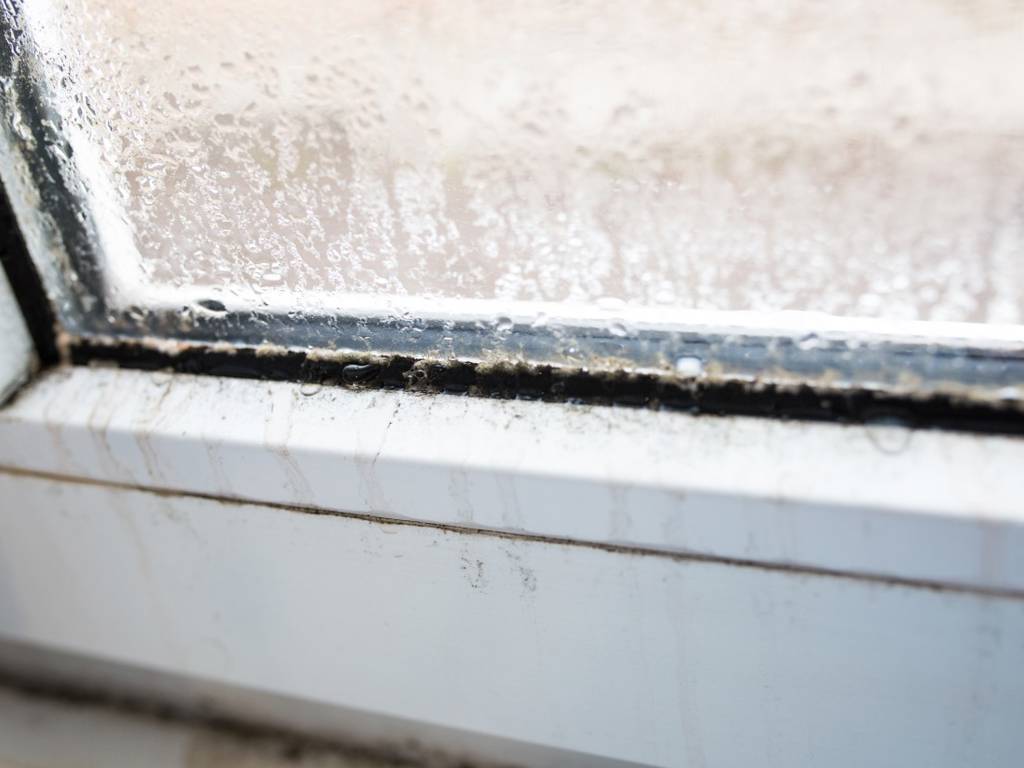
- Condensation on windows, ceilings, or AC vents
- Rooms that feel damp even when the AC is running
Because these symptoms often come and go with weather changes, many homeowners assume they’re just part of coastal living—until mold becomes visible.
Hidden or Overlooked Mold Sources in Waterfront Homes
One of the biggest challenges with waterfront mold is how often it’s hidden.
Behind Walls
Moist air can move into wall cavities through small gaps around windows, doors, and utility penetrations. Once inside, limited airflow allows moisture to linger, leading to mold growth on drywall backing and insulation.
Under Flooring
Slab foundations combined with high groundwater levels allow moisture to migrate upward and become trapped beneath flooring materials like laminate, vinyl plank, tile underlayment, and carpet padding.
Attics
Warm, humid air rising from the living space can condense on roof decking, especially in waterfront homes with limited attic ventilation. Attic mold is very common near waterways.
HVAC Systems
Air handlers, ductwork, and drain pans are frequent mold sources due to constant condensation and heavy AC use in coastal homes.
Past Storm or Leak Damage
Even minor leaks from years ago can continue feeding mold if materials were never fully dried or moisture was trapped behind finishes.
Why DIY Mold Removal Usually Fails in Waterfront Homes
Many waterfront homeowners try to manage mold themselves with cleaning products, dehumidifiers, or vent cleaning. While these efforts are understandable, they often don’t solve the underlying issue.
DIY approaches usually fail because:
- Surface cleaning doesn’t address hidden moisture
- Bleach and sprays don’t penetrate porous materials
- Scrubbing can spread spores into the air
- Humidity and moisture sources remain unchanged
In waterfront environments, mold almost always returns unless moisture movement and humidity control are addressed—not just the visible growth.
Professional Mold Inspection & Testing Explained
A proper mold inspection for a waterfront home focuses on how moisture is entering and behaving inside the structure, not just where mold is visible.
Visual Inspection
High-risk areas like baseboards, flooring transitions, HVAC components, bathrooms, kitchens, and attic access points are examined closely.
Moisture Detection
Professional tools are used to identify:
- Damp drywall and insulation
- Moisture beneath flooring
- Condensation patterns
- Elevated humidity zones
This step is especially important in waterfront homes where moisture is often hidden.
Mold Testing When Appropriate
Testing may be recommended when:
- Mold is suspected but not visible
- Documentation is needed
- Post-remediation verification is required
Results are explained in simple terms and used to support inspection findings, not replace them.
Proper Mold Removal & Remediation Process
Effective mold remediation in waterfront homes focuses on both removal and long-term prevention.
Containment
Affected areas are isolated to prevent spores from spreading during removal.
Safe Removal of Contaminated Materials
Porous materials such as drywall, insulation, or flooring are removed when they cannot be safely dried.
Moisture Source Correction
This may include improving ventilation, addressing slab moisture migration, correcting AC condensation issues, or sealing exterior intrusion points.
Thorough Drying and Verification
Materials are dried and moisture levels confirmed before repairs or rebuilding begin.
Without correcting moisture behavior, remediation in waterfront homes rarely lasts.
How to Prevent Mold in Merritt Island Waterfront Homes
Prevention is especially important for waterfront properties.
- Maintain consistent indoor humidity control
- Run AC systems regularly instead of short cycling
- Keep HVAC drain lines clean and clear
- Ensure attic ventilation is working properly
- Inspect baseboards, windows, and exterior walls after storms
- Address even small leaks immediately
- Avoid trapping moisture with impermeable finishes without proper barriers
Routine inspections go a long way in coastal environments.
Why Local Merritt Island Experience Matters
Waterfront homes in Merritt Island behave differently than homes just a few miles inland. Lagoon humidity, salt air, high water tables, and storm exposure all influence how moisture moves through a structure.
A local company like Mold Removal Merritt Island understands:
- Where mold typically starts in waterfront homes
- How local construction styles interact with coastal moisture
- When full remediation is needed versus when moisture management is the real solution
That local knowledge leads to more accurate assessments and fewer repeat problems.
A Calm, Practical Next Step for Waterfront Property Owners
Mold in waterfront homes isn’t inevitable, but it does require a different mindset. In Merritt Island’s coastal environment, managing moisture is just as important as removing mold itself.
If you’re noticing recurring mold, musty odors, or unexplained dampness in your waterfront home, a professional evaluation can help identify what’s really happening behind the scenes.
Mold Removal Merritt Island works with homeowners, landlords, and property managers throughout Merritt Island, North and South Merritt Island, Sykes Creek, Banana River, and Indian River to assess waterfront mold issues responsibly and help prevent them from returning.
With the right approach, living on the water doesn’t have to mean living with mold.
