Mold in Bathrooms in Brevard County: What Merritt Island Property Owners Should Know
Bathrooms are one of the most common places for mold growth in Brevard County homes—and Merritt Island properties are no exception. Daily showers, warm temperatures, limited ventilation, and Florida’s persistent humidity create the perfect environment for moisture to linger. When that moisture isn’t controlled, mold can begin growing quickly and keep coming back.
For homeowners, landlords, and property managers, understanding why bathroom mold is so common and how to address it correctly can help prevent recurring issues and protect the overall condition of the home.
Why Bathrooms Are High-Risk Areas in Brevard County
Bathrooms naturally produce moisture, but Brevard County’s coastal climate makes it harder for that moisture to dry out. Even when exhaust fans are used, humidity often remains trapped on walls, ceilings, and inside building materials.
Several local factors contribute to bathroom mold problems:
- High year-round humidity
- Warm indoor temperatures
- Frequent shower and bath use
- Poor or aging ventilation systems
- Salt air exposure that breaks down caulk and seals
In Merritt Island homes near waterways, moisture pressure is often higher, increasing mold risk even more.
Common Places Mold Develops in Bathrooms
Bathroom mold doesn’t always grow where homeowners expect. In Brevard County homes, it commonly appears in:
- Shower and tub grout lines
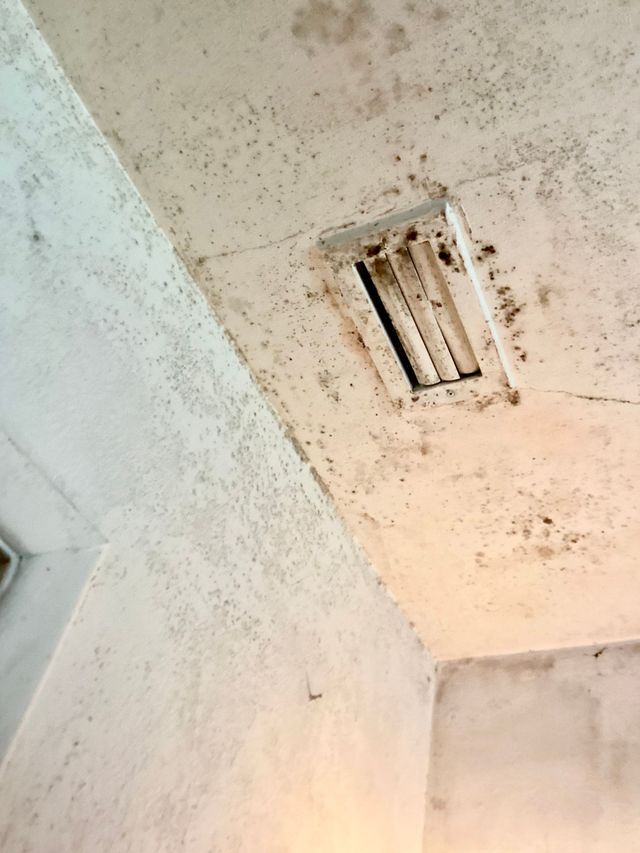
- Bathroom ceilings above showers
- Around exhaust fans and light fixtures
- Behind bathroom walls near plumbing lines
- Under vanities and sinks
Because some of these areas are hidden, mold can spread before it becomes obvious.
Early Signs of Bathroom Mold
Many property owners first notice subtle warning signs rather than visible mold. Common indicators include:
- Musty or damp odors after showering
- Dark staining on grout or caulk
- Peeling or bubbling paint on ceilings
- Persistent condensation on walls or mirrors
- Soft or swollen drywall near showers
These signs usually point to moisture problems rather than surface cleanliness issues.
Hidden Mold Behind Bathroom Walls
One of the biggest concerns with bathroom mold is what can’t be seen. Slow plumbing leaks, failed waterproofing, or condensation can allow moisture to seep into wall cavities.
In Brevard County homes, hidden bathroom mold often develops:
- Behind tiled shower walls
- Inside drywall near plumbing penetrations
- Around toilet supply lines
- Beneath bathroom flooring installed over slabs
Because these areas remain damp, mold can grow unnoticed for long periods.
Why Cleaning Alone Doesn’t Fix Bathroom Mold
Many homeowners scrub visible mold with bleach or household cleaners. While this may improve appearance temporarily, it rarely addresses the underlying problem.
Bleach doesn’t penetrate porous materials like grout, drywall, or wood, and it doesn’t correct ventilation or moisture issues. Without fixing the source of moisture, mold almost always returns—often worse than before.
How Bathroom Mold Is Properly Evaluated
A professional evaluation focuses on moisture first. In Brevard County bathrooms, this typically includes:
- Visual inspection of visible mold and water damage
- Moisture readings in walls and ceilings
- Checking exhaust fan performance
- Inspecting plumbing fixtures and seals
- Evaluating airflow and humidity levels
This approach helps determine whether mold is limited to surface areas or spreading into hidden spaces.
Bathroom Mold Removal and Remediation
When mold is confirmed, proper remediation involves more than surface cleaning. Depending on severity, it may include removing contaminated materials, treating affected areas, and correcting moisture problems.
Containment prevents mold spores from spreading to other parts of the home. Just as important, ventilation and humidity issues must be corrected to prevent recurrence.
A local company like Mold Removal Merritt Island understands how bathroom mold behaves in Brevard County’s coastal conditions, helping ensure remediation efforts last.
Preventing Bathroom Mold in Brevard County Homes
Prevention focuses on moisture control and ventilation. Property owners can reduce bathroom mold risk by:
- Running exhaust fans during and after showers
- Keeping bathroom doors open to improve airflow
- Maintaining caulking and grout regularly
- Repairing plumbing leaks immediately
- Keeping indoor humidity below 55%
Routine inspections help catch moisture issues before mold becomes a larger problem.
Why Local Experience Matters
Bathroom mold in coastal Florida behaves differently than in drier climates. Proximity to waterways, salt air exposure, and older construction styles all affect how moisture moves through bathrooms.
Local experience helps identify common problem areas and tailor prevention strategies to Brevard County and Merritt Island conditions.
A Practical, Calm Next Step
If you’re dealing with recurring bathroom mold in a Brevard County property, professional evaluation can provide clarity. It’s not about fear—it’s about understanding what’s causing the problem and fixing it correctly.
Whether you’re maintaining a primary residence or managing a rental, addressing bathroom mold early helps protect indoor conditions and prevent more serious moisture issues over time.