Mold in Crawl Spaces in Merritt Island: What Merritt Island Property Owners Should Know
Crawl spaces are one of the most common problem areas for mold in Merritt Island homes—and also one of the least checked. With high humidity, frequent rain, and a naturally high water table, crawl spaces on Merritt Island often stay damp for long periods, creating ideal conditions for mold growth beneath the home.
For homeowners, landlords, and property managers, understanding why crawl space mold develops and how it should be addressed is critical for protecting the structure, indoor air quality, and long-term property value.
Why Crawl Spaces Are High-Risk Areas on Merritt Island
Merritt Island’s coastal environment puts crawl spaces under constant moisture pressure. Warm, humid air enters these enclosed areas and condenses on cooler surfaces like floor joists, insulation, and foundation walls.
Several local factors make crawl space mold especially common:
- High coastal humidity year-round
- High water tables beneath homes
- Poor drainage after heavy rain
- Limited airflow in older crawl space designs
- Ground moisture evaporating upward
Homes near Sykes Creek, the Banana River, or the Indian River are particularly vulnerable due to elevated groundwater and prolonged damp conditions.
How Moisture Builds Up in Crawl Spaces
Moisture enters crawl spaces in multiple ways. Ground moisture rises through exposed soil, rainwater enters through vents or foundation gaps, and humid outdoor air flows inside and condenses on cooler surfaces.
Plumbing leaks and AC condensation lines routed through crawl spaces can add even more moisture. Once dampness becomes consistent, mold can begin growing on wood framing, insulation, and subfloor materials.
Early Signs of Crawl Space Mold
Because crawl spaces aren’t part of daily living areas, mold often goes unnoticed until symptoms appear inside the home. Common warning signs include:
- Musty odors inside the house
- Increased indoor humidity
- Cold or damp-feeling floors
- Sagging or deteriorating insulation
- Worsening moisture issues after rain
These signs often point to moisture and mold problems beneath the home.
Common Mold Locations in Crawl Spaces
In Merritt Island crawl spaces, mold most commonly develops on:
- Floor joists and subflooring
- Insulation backing and vapor barriers
- Foundation walls
- Wooden support beams
- Plumbing penetrations and pipe insulation
Once mold establishes itself, it can spread across large areas if moisture conditions remain unchanged.
Why Crawl Space Mold Often Goes Undetected
Crawl spaces are rarely inspected unless there’s a specific reason. Small leaks, slow groundwater intrusion, or ventilation issues can persist for months or years without obvious signs.
In coastal environments, salt air and humidity accelerate material breakdown, allowing moisture to enter crawl spaces even when structures appear intact above ground.
Why DIY Crawl Space Mold Cleanup Is Ineffective
Attempting to clean crawl space mold without addressing moisture usually fails. Surface cleaning may remove visible mold temporarily, but it doesn’t stop growth if humidity and ground moisture remain.
Bleach and household cleaners don’t penetrate wood or insulation effectively. Without proper containment, disturbing mold can also spread spores into the living space above.
How Crawl Space Mold Is Properly Evaluated
A professional crawl space evaluation focuses on moisture sources and airflow. This typically includes:
- Visual inspection of framing, insulation, and foundation walls
- Moisture meter readings on wood and materials
- Assessment of ventilation and vapor barriers
- Identification of plumbing or drainage issues
This process helps determine whether mold is localized or widespread and what corrective steps are needed.
Crawl Space Mold Remediation Explained
Proper remediation involves safely addressing mold and correcting moisture problems. Depending on severity, this may include removing contaminated insulation, treating affected wood, and improving moisture control.
Containment prevents spores from spreading during remediation. Just as important is addressing the cause—ground moisture, poor ventilation, drainage issues, or leaks.
A local company like Mold Removal Merritt Island understands how crawl spaces behave in Merritt Island’s coastal conditions, which is essential for long-term results.
Preventing Mold in Merritt Island Crawl Spaces
Prevention focuses on moisture control and airflow. Property owners can reduce crawl space mold risk by:
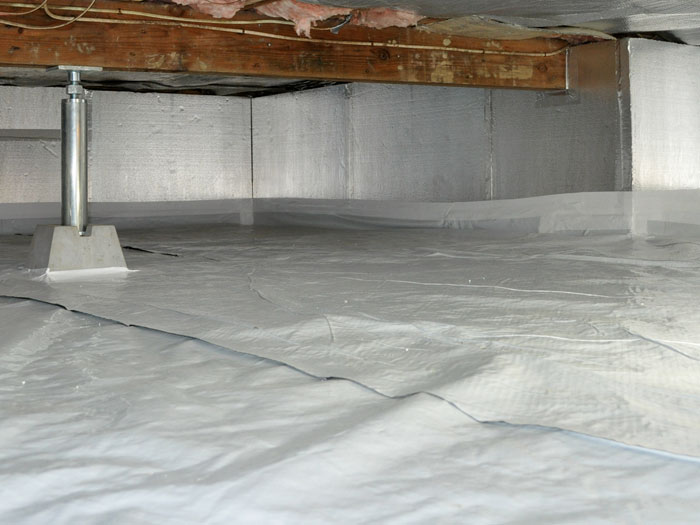
- Installing or maintaining vapor barriers
- Improving drainage around the foundation
- Repairing plumbing leaks promptly
- Controlling humidity beneath the home
- Scheduling routine crawl space inspections
After heavy rain or hurricanes, crawl spaces should be checked for moisture intrusion.
Why Local Experience Matters
Crawl spaces in coastal Florida behave differently than those in drier climates. Local experience helps identify common problem areas tied to soil conditions, water tables, and building styles found throughout Merritt Island.
Understanding these factors allows for more accurate diagnosis and better long-term prevention planning.
A Practical, Calm Next Step
If you suspect mold in the crawl space of your Merritt Island property—or notice musty odors or moisture issues inside the home—a professional inspection can provide clarity. It’s not about fear or pressure; it’s about understanding what’s happening beneath your home and correcting it properly.
Early evaluation helps protect your property, improve indoor comfort, and prevent crawl space mold from becoming a larger structural concern.