Hidden Mold in Brevard County: What Merritt Island Property Owners Should Know
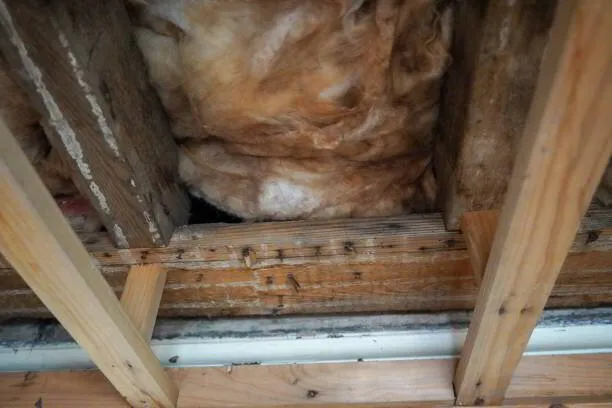
Merritt Island property owners often think of mold as something obvious—dark spots on a wall or growth around a bathroom ceiling. In reality, some of the most serious mold problems in Brevard County are the ones you can’t see. Hidden mold develops quietly behind walls, under flooring, in attics, and inside HVAC systems, especially in coastal environments like Merritt Island.
With constant humidity, nearby waterways, and frequent storms, conditions across Brevard County make hidden mold a common issue for homeowners, landlords, and property managers. Understanding where it hides and why it develops is the first step toward protecting your property.
What Hidden Mold Really Is
Hidden mold refers to mold growth that isn’t immediately visible during everyday living. It often develops in enclosed or rarely accessed areas where moisture lingers unnoticed. By the time signs appear—such as odors or surface damage—the mold may already be well established.
In Merritt Island homes, hidden mold is usually tied to moisture intrusion rather than poor housekeeping. Even clean, well-maintained homes can develop hidden mold when moisture problems go undetected.
Why Hidden Mold Is So Common in Brevard County
Brevard County’s environment creates ideal conditions for hidden mold growth, particularly in coastal communities like Merritt Island.
Key contributing factors include:
- High year-round humidity
- Proximity to rivers and lagoons, including the Banana River and Indian River
- High water tables affecting slab foundations
- Storms and hurricanes causing roof and wall intrusion
- Salt air exposure, which degrades seals and building materials
- Continuous AC use, leading to condensation buildup
These factors allow moisture to enter homes slowly and remain trapped in building materials.
Common Places Hidden Mold Develops
Hidden mold tends to grow in predictable locations, especially in Brevard County homes:
- Behind drywall near plumbing lines or exterior walls
- Under laminate, vinyl, or carpet flooring over concrete slabs
- Inside attics where warm air meets cooler roof surfaces
- In crawl spaces beneath older homes
- Around HVAC air handlers, ducts, and drain pans
These areas are rarely inspected until a problem becomes noticeable.
Subtle Signs Property Owners Often Miss
Hidden mold doesn’t always announce itself clearly. Many Merritt Island property owners first notice indirect signs, such as:
- Persistent musty or damp odors
- Rooms that feel humid despite AC use
- Reappearing stains after repainting
- Warped baseboards or soft drywall
- Condensation around vents or windows
These symptoms often point to moisture problems that deserve further investigation.
Why Hidden Mold Often Goes Undetected
Hidden mold thrives because moisture issues aren’t always dramatic. Small roof leaks, slow plumbing drips, or AC condensation problems can go unnoticed for months or even years.
In coastal Brevard County homes, salt air and humidity accelerate material breakdown, allowing moisture to seep into walls and ceilings without visible water damage.
Why DIY Mold Checks Rarely Find Hidden Mold
Many homeowners rely on visual checks or store-bought test kits. Unfortunately, hidden mold is rarely found this way.
DIY kits don’t identify moisture sources or explain whether mold is actively growing inside building materials. Surface cleaning also doesn’t address mold hidden behind walls or under floors. Without proper tools and experience, hidden mold remains undetected.
How Professionals Locate Hidden Mold
Professional inspections focus on moisture first. In Merritt Island properties, this typically includes:
- Detailed visual inspections of moisture-prone areas
- Moisture meter readings inside walls, ceilings, and floors
- Thermal imaging to detect hidden dampness
- Targeted air or surface sampling when appropriate
This approach helps determine where moisture is entering the structure and whether mold growth is occurring behind the scenes.
Why Hidden Mold Requires Proper Remediation
Hidden mold can’t be solved with surface cleaning. Proper remediation involves safely accessing affected areas, removing contaminated materials when necessary, and correcting the moisture source.
Containment prevents mold spores from spreading during removal, and long-term prevention focuses on ventilation, humidity control, and structural repairs. A local company like Mold Removal Merritt Island understands how Brevard County homes are built and how coastal moisture behaves, which is critical for effective remediation.
Preventing Hidden Mold in Merritt Island Homes
Preventing hidden mold starts with moisture awareness. Property owners in Merritt Island and surrounding Brevard County communities can reduce risk by:
- Keeping indoor humidity below 55%
- Maintaining AC systems and clearing drain lines
- Inspecting attics after heavy rain or storms
- Addressing leaks immediately, even small ones
- Monitoring areas near plumbing and exterior walls
Regular inspections are especially important after hurricanes or prolonged rainy periods.
Why Local Experience Matters in Brevard County
Hidden mold patterns differ between inland and coastal homes. Local experience helps identify problem areas tied to slab foundations, waterfront exposure, and older construction styles common in Merritt Island.
Understanding Brevard County’s climate allows for faster diagnosis, more accurate remediation, and better long-term prevention planning.
A Calm, Practical Next Step
If you suspect hidden mold or ongoing moisture issues in your Merritt Island property, a professional inspection can provide clarity. It’s not about fear—it’s about understanding what’s happening inside your home and addressing it correctly.
Whether you’re protecting your residence, managing a rental, or preparing for a sale, identifying hidden mold early helps preserve property value and prevent larger issues down the road.