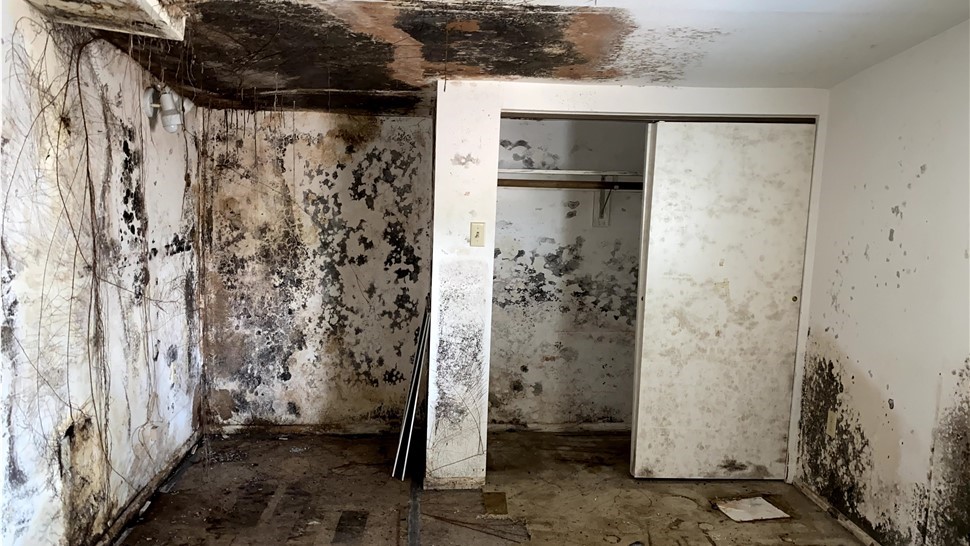
Toxic Mold in Indian River: What Merritt Island Property Owners Should Know
Living near the Indian River offers some of the most desirable settings on Merritt Island—waterfront views, cooling breezes, and a strong connection to the outdoors. At the same time, Indian River properties face constant exposure to moisture, humidity, and storm-driven weather. These conditions make mold problems more common, and when people hear the term toxic mold, concerns naturally rise.
For property owners near the Indian River, understanding what toxic mold really means, why it develops so often in this area, and how it should be addressed can help protect both the home and its long-term condition—without unnecessary fear or confusion.
What People Mean by “Toxic Mold”
The phrase toxic mold is often used to describe mold growth that produces mycotoxins under certain conditions. In real homes, the issue is less about labels and more about moisture and exposure. Mold of many types can become a problem when it grows indoors due to ongoing dampness.
In Indian River homes, mold often appears dark, spreads quickly, and thrives in hidden areas where moisture lingers. The concern isn’t just the presence of mold—it’s whether conditions inside the home are allowing it to grow and persist.
Why Mold Issues Are Common Near the Indian River
Properties along the Indian River experience environmental conditions that strongly favor mold growth:
- Constant coastal humidity throughout the year
- Direct proximity to water, increasing indoor moisture levels
- High water tables beneath slab foundations
- Salt air exposure, which weakens seals and building materials
- Storms and hurricanes, leading to roof and wall intrusion
- Heavy air-conditioning use, creating condensation inside ducts and attics
Even homes that have never flooded can develop mold due to wind-driven rain, condensation, and long-term humidity buildup.
Common Signs That Raise Concerns
Property owners near the Indian River often begin worrying about toxic mold after noticing ongoing issues such as:
- Strong musty or earthy odors
- Dark staining on walls, ceilings, or baseboards
- Peeling paint or soft drywall
- Moisture buildup near AC vents
- Areas that feel damp even in dry weather
These signs usually indicate moisture problems that should be evaluated professionally.
Hidden Mold Sources in Indian River Homes
Mold in waterfront homes often grows out of sight. Common hidden sources include:
- Behind drywall after roof or plumbing leaks
- Under flooring installed over concrete slabs
- Inside attics with limited ventilation
- Around HVAC air handlers and ductwork
- Inside wall cavities affected by past storm damage
Because these areas aren’t visible, mold can spread for long periods before being discovered.
Why DIY Testing and Cleanup Fall Short
Store-bought mold test kits and surface cleaners often create more confusion than clarity. Florida’s outdoor air naturally contains mold spores, especially near waterways like the Indian River. Without professional context, results can look alarming even when indoor conditions are normal.
Bleach and household cleaners also fail to penetrate porous materials and don’t address moisture sources. In some cases, improper cleaning can disturb mold colonies and spread spores to other areas of the home.
How Mold Is Properly Evaluated in Indian River Properties
A professional evaluation focuses first on moisture. Inspections typically include:
- Visual assessment of moisture-prone areas
- Moisture meter readings in walls, ceilings, and floors
- Thermal imaging to locate hidden dampness
- Targeted air or surface sampling when appropriate
The goal is to understand where moisture is coming from, how long it’s been present, and whether mold growth is active indoors.
Understanding Mold Findings Without Alarm
Mold findings are not about panic—they’re about context. A professional explanation helps property owners understand:
- Whether mold levels are elevated indoors
- How indoor conditions compare to outdoor air
- Whether moisture issues are ongoing or historic
- What practical steps, if any, are needed
This approach avoids fear-based conclusions and focuses on realistic solutions.
Mold Removal and Remediation When Needed
If mold growth is confirmed, remediation focuses on safe removal and long-term correction. Containment prevents spores from spreading during the process. Affected materials are removed or treated, and moisture sources are corrected.
A local company like Mold Removal Merritt Island understands how Indian River homes are built and how moisture behaves in waterfront environments, which helps ensure remediation efforts are effective and lasting.
Preventing Mold in Indian River Homes
Prevention is especially important near the Indian River. Practical steps include:
- Keeping indoor humidity below 55%
- Maintaining AC systems and clearing drain lines
- Using exhaust fans consistently
- Inspecting attics and ceilings after storms
- Addressing even minor leaks promptly
Regular moisture awareness reduces the likelihood of recurring mold problems.
Why Local Experience Matters Along the Indian River
Waterfront properties face different challenges than inland homes. Local experience helps identify common moisture patterns related to wind-driven rain, salt air exposure, and older construction styles found along the Indian River.
Understanding Merritt Island’s unique coastal environment leads to more accurate evaluations and better long-term outcomes.
A Calm, Informed Next Step
If you’re concerned about toxic mold or ongoing moisture issues in an Indian River property, professional evaluation provides clarity without pressure. It’s about understanding what’s happening inside the home and addressing it correctly.
Whether you’re protecting a residence, managing a rental, or preparing for a sale, proper inspection and remediation offer peace of mind grounded in local knowledge and practical experience.