
Mold Prevention Tips in South Merritt Island: What Merritt Island Property Owners Should Know
Living in South Merritt Island offers beautiful waterfront views, easy access to the Banana River and Indian River, and the relaxed lifestyle many Florida residents love. But homeowners here also face a constant challenge that comes with island living — moisture and humidity that can easily lead to mold growth.
Many property owners only think about mold after it becomes visible, but in our climate, prevention is far more effective and less expensive than remediation. Homes located near lagoons and waterways naturally experience higher humidity, and even well-maintained properties can develop hidden moisture problems if preventative steps aren’t taken.
Understanding how mold forms in South Merritt Island homes — and how to prevent it — can help homeowners protect both their property and indoor comfort year-round.
Understanding Mold Growth in Coastal Homes
Mold is a natural part of Florida’s environment. Spores are always present in outdoor air, and they easily enter homes through doors, windows, and HVAC systems. Mold becomes a problem when spores land on damp materials and begin growing.
In South Merritt Island, conditions that encourage mold growth include:
- High coastal humidity throughout the year
- Storm-driven rain intrusion
- AC condensation buildup
- Waterfront moisture exposure
- High water tables affecting foundations
- Older homes with limited ventilation
Mold grows quickly when moisture remains present for more than a day or two. Because humidity stays high even indoors, small moisture issues often go unnoticed until mold appears.
Why Mold Prevention Is So Important Locally
South Merritt Island homes experience a combination of factors that make mold prevention especially important.
Frequent storms and tropical weather systems bring heavy rain and wind that can push water into roofs, windows, or siding. Even minor leaks can allow moisture into walls or insulation.
Many homes also rely heavily on air conditioning, and poorly maintained systems sometimes produce condensation leaks that create hidden mold growth in ceilings or wall cavities.
Waterfront homes near Sykes Creek or the Banana River often see additional moisture exposure, particularly during hot summer months when indoor humidity can climb quickly.
Preventative maintenance helps avoid larger and more expensive problems later.
Early Signs That Moisture Is Becoming a Problem
Preventing mold starts with recognizing early warning signs that moisture may be present.
South Merritt Island homeowners often notice:
- Musty odors in closets or unused rooms
- Condensation on windows or vents
- Dark spots forming near ceilings or corners
- Peeling paint or bubbling drywall
- Warped flooring or soft baseboards
- Allergy-like irritation indoors
Even if mold isn’t visible, these signs suggest excess moisture is present somewhere in the home.
Addressing moisture early can stop mold growth before it spreads.
Areas Where Mold Commonly Develops
Mold doesn’t always grow in obvious locations. In many South Merritt Island homes, it forms in hidden or overlooked areas.
Common problem spots include:
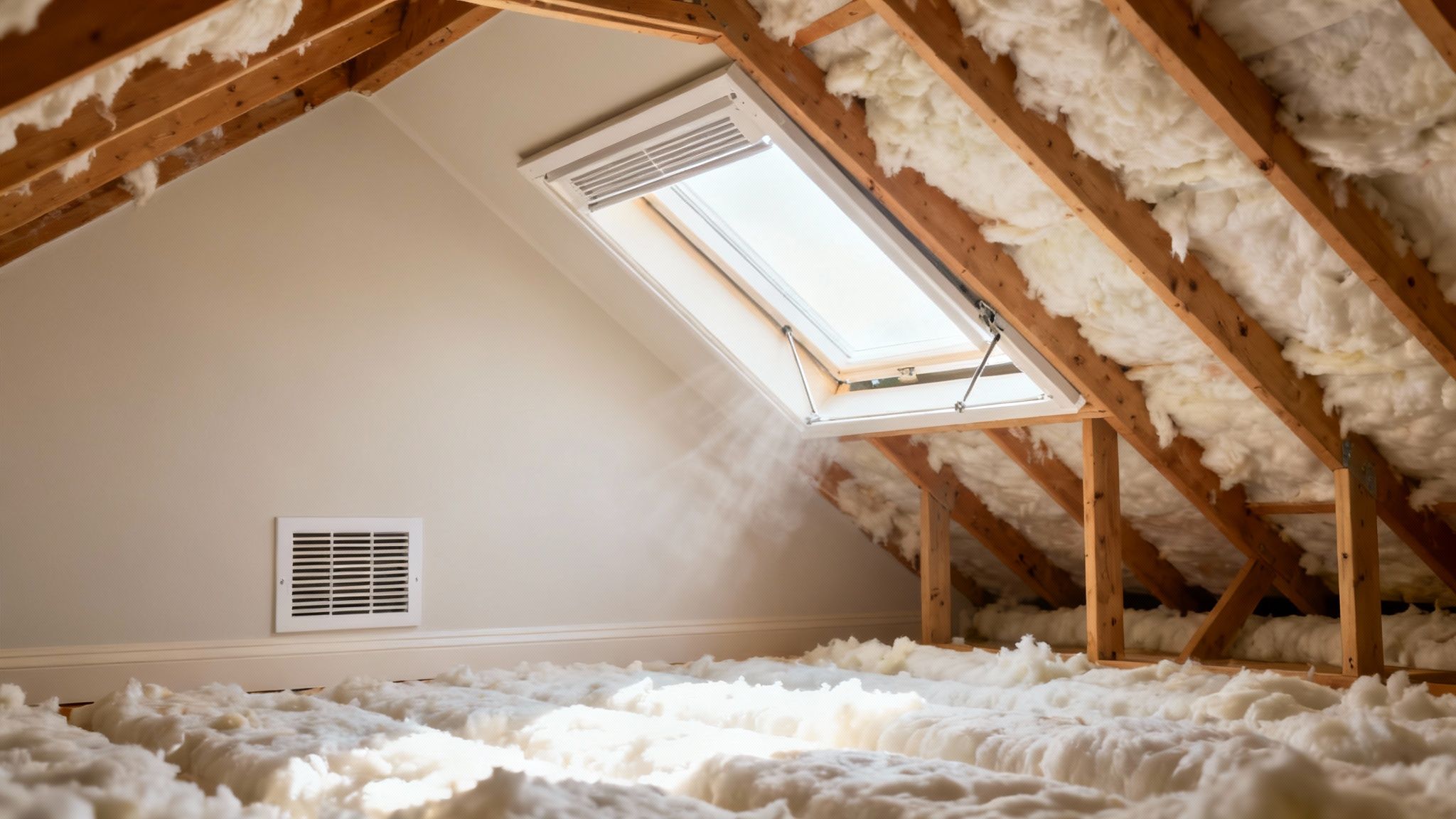
- Attics with poor ventilation
- Behind drywall after roof or plumbing leaks
- Under flooring after flooding or spills
- Around AC air handlers or ducts
- Inside closets on exterior walls
- Laundry rooms and garages
- Bathroom ceilings with poor ventilation
- Areas previously affected by storms
Homes that have experienced hurricane damage or past flooding may also have hidden moisture lingering behind walls or beneath flooring materials.
Regular inspection of these areas helps prevent future issues.
Simple Prevention Steps Every Homeowner Can Take
Many mold problems can be avoided through consistent home maintenance and moisture control.
Effective prevention steps include:
Keep Indoor Humidity Controlled
Maintaining indoor humidity between 40–55% reduces mold risk. Dehumidifiers help in rooms that stay damp.
Maintain Air Conditioning Systems
Have HVAC systems inspected regularly. Clean drain lines and check for condensation leaks.
Improve Ventilation
Bathrooms, kitchens, and laundry rooms should vent moisture outdoors, not into attics.
Inspect Roofs After Storms
Small roof leaks often go unnoticed until mold appears inside walls or ceilings.
Fix Plumbing Leaks Quickly
Under-sink leaks or slow drips inside walls create hidden mold growth.
Use Exhaust Fans During Showers
Running fans during and after showers helps remove excess moisture.
Keep Gutters and Drainage Clear
Proper drainage prevents water from collecting near foundations.
Check Attics and Crawl Spaces
These spaces often trap heat and moisture, creating ideal mold conditions.
Schedule Routine Home Inspections
Periodic professional inspections help detect hidden moisture problems early.
Small prevention steps can protect homes from expensive repairs later.
Why DIY Prevention Sometimes Falls Short
While many homeowners try to handle moisture control themselves, some problems require professional evaluation.
DIY solutions sometimes miss hidden moisture sources, especially after storms or plumbing incidents. Homeowners may dry surfaces but overlook moisture trapped behind walls or insulation.
Simply repainting a stained area or running fans may hide symptoms without solving the underlying problem.
When moisture keeps returning or mold repeatedly reappears, professional inspection often identifies causes that are otherwise invisible.
How Professional Inspections Help Prevent Mold
Professional inspections are not just for homes with visible mold. Many South Merritt Island homeowners schedule inspections after storms or when purchasing property.
A thorough inspection typically includes:
- Checking walls and ceilings for moisture
- Evaluating HVAC systems and ductwork
- Examining attics and insulation
- Inspecting crawl spaces and garages
- Using moisture detection equipment
- Identifying ventilation concerns
When necessary, air or surface testing can help determine mold levels inside the home.
Companies familiar with local conditions, such as Mold Removal Merritt Island, understand common moisture patterns affecting island homes and can identify risks quickly.
Long-Term Prevention After Storms or Water Events
Storm-related water intrusion is one of the biggest mold triggers in South Merritt Island.
After heavy rain or hurricanes, homeowners should:
- Inspect ceilings and walls for stains
- Check attic spaces for damp insulation
- Look for flooring warping or soft spots
- Inspect around windows and doors
- Monitor indoor odors for musty smells
- Check AC systems for drainage problems
Even if no immediate damage is visible, moisture sometimes hides inside structures.
Scheduling a precautionary inspection after storms often prevents long-term problems.
Why Local Experience Matters for Mold Prevention
Preventing mold in Merritt Island homes requires understanding local building styles and climate conditions.
Local professionals know common trouble spots, including:
- Slab homes with moisture intrusion
- Older homes with outdated ventilation
- Waterfront properties exposed to higher humidity
- Homes affected by past hurricanes
- AC condensation issues common in Florida construction
Local knowledge leads to faster identification of prevention opportunities.
A Practical Next Step for Homeowners
Mold prevention does not need to feel overwhelming. Most issues can be avoided through routine maintenance and quick response to moisture concerns.
If your home has experienced past leaks, storm damage, or persistent humidity issues, a professional inspection can help confirm whether hidden moisture exists.
Many South Merritt Island property owners simply want peace of mind that their home environment is healthy and protected.
Experienced local professionals, including Mold Removal Merritt Island, help homeowners understand risks and take practical steps to prevent mold without unnecessary alarm or pressure.
Early prevention remains the best way to keep homes comfortable and avoid larger remediation needs later.
Image Generation Prompts
• Mold forming on interior drywall in a coastal Florida home due to humidity, clean residential setting, natural lighting, no people, no logos, realistic appearance
• Attic mold buildup caused by poor ventilation in a Florida home near waterways, exposed wood framing and insulation, realistic environment, no text or branding
