
Black Mold in Brevard County: What Merritt Island Property Owners Should Know
“Black mold” gets a lot of attention—and a lot of misinformation. In Brevard County’s warm, humid climate, dark-colored mold is common, but not all black mold is the same thing, and not every dark spot is a crisis. For property owners in Merritt Island, the real risk isn’t the color—it’s ongoing moisture and how long materials stayed wet.
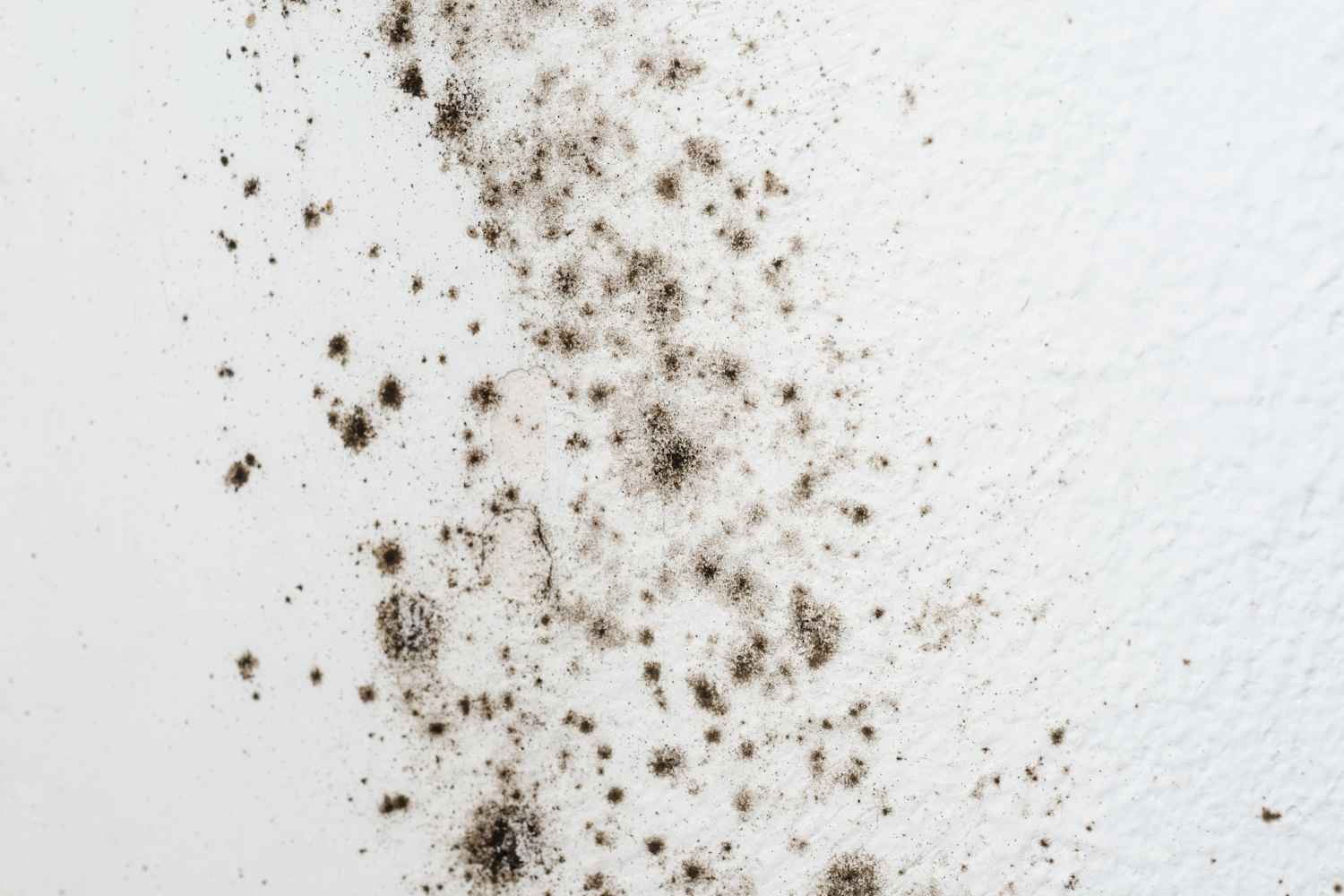
What People Mean by “Black Mold”
Most homeowners use “black mold” to describe dark or black-looking mold growth. Scientifically, the term often refers to Stachybotrys chartarum, but here’s the key point:
- Many molds are black or dark green
- Color alone does not identify species or danger
- Some black molds are relatively common and low-toxicity
- Some problematic molds aren’t black at all
You cannot identify dangerous mold by sight alone.
Why Brevard County Homes See So Much Black Mold
Local conditions stack the deck:
- High year-round humidity
- Frequent rain and storms
- AC systems creating constant condensation
- Slab and ground moisture in low-lying areas
Black mold typically grows when porous materials stay wet for days, not hours. That’s common after leaks that weren’t dried fast enough.
Common Places Black Mold Is Found
In Brevard County homes, dark mold most often appears in:
- Bathrooms with poor ventilation
- Closets on exterior walls
- Behind baseboards after leaks
- Under sinks and inside cabinets
- AC closets, drain pans, and duct insulation
- Attics with condensation issues
If you see it on drywall or wood, moisture has likely been present for a while.
Is Black Mold Dangerous?
This is where nuance matters.
Potential concerns:
- Respiratory irritation
- Allergy or asthma flare-ups
- Headaches or fatigue
- Strong musty odors affecting indoor air quality
Higher-risk occupants include:
- Children
- Older adults
- People with asthma, allergies, or weakened immune systems
The amount of mold, where it’s growing, and how long exposure occurs matter far more than the color.
What Black Mold Usually Indicates
Dark mold growth is a warning sign, not the main problem.
It usually means:
- A leak went unnoticed or untreated
- Humidity stayed high for too long
- Materials didn’t dry within 24–48 hours
- HVAC moisture issues are present
Killing or wiping mold without fixing moisture solves nothing.
Why DIY Black Mold Cleanup Often Fails
Common DIY mistakes include:
- Using bleach on porous materials (it doesn’t penetrate)
- Scrubbing without containment, spreading spores
- Painting over stained areas
- Ignoring hidden moisture behind walls
- Skipping air filtration
This often makes the mold disappear briefly—then return worse.
Black Mold vs. Other Molds
From a property standpoint:
- All indoor mold growth is unwanted
- All mold indicates a moisture problem
- All mold should be addressed properly
Focusing only on “black mold” can cause owners to ignore equally serious non-black growth.
When Black Mold Requires Professional Help
Professional inspection or remediation is strongly recommended when:
- Mold is on drywall, insulation, or wood
- Growth covers more than a small area
- Mold keeps returning after cleaning
- Musty odors persist
- HVAC systems may be involved
- Occupants have symptoms
In Brevard County, black mold often means hidden growth nearby.
Mold Testing and Black Mold
Testing can help in specific situations:
- When mold isn’t visible but odors or symptoms exist
- For documentation during real estate or insurance claims
- After remediation to verify conditions
Testing alone does not fix the problem and should never replace moisture investigation.
Insurance Considerations
Coverage depends on cause and timing:
- Sudden water events may be covered
- Long-term moisture usually is not
- Documentation matters either way
Photos, dates, and moisture readings protect homeowners.
Preventing Black Mold in Brevard County Homes
Long-term prevention focuses on moisture control:
- Keep indoor humidity at 30–50%
- Run AC consistently to dehumidify
- Fix leaks immediately
- Dry wet materials within 24–48 hours
- Use exhaust fans in bathrooms and kitchens
- Inspect AC drains and pans regularly
Prevention is far cheaper than remediation.
Common Myths About Black Mold
- “Black mold is always deadly.”
False. Risk depends on exposure and conditions. - “Bleach kills black mold.”
Not in porous materials. - “If it’s black, it’s the worst kind.”
Color doesn’t determine severity. - “No smell means no mold.”
Hidden mold can exist without strong odors.
Final Takeaways for Brevard County Property Owners
Black mold is serious—but not mystical.
Key points to remember:
- Color alone means nothing
- Moisture is the real enemy
- Black mold signals prolonged dampness
- DIY cleanup often backfires
- Professional help is about control, not fear
If you’ve found black mold in your Brevard County home, the smartest next step isn’t panic—it’s understanding why it’s there and stopping the moisture that allowed it to grow. Do that, and the problem usually ends for good.
