
Mold Inspection in South Merritt Island: What Merritt Island Property Owners Should Know
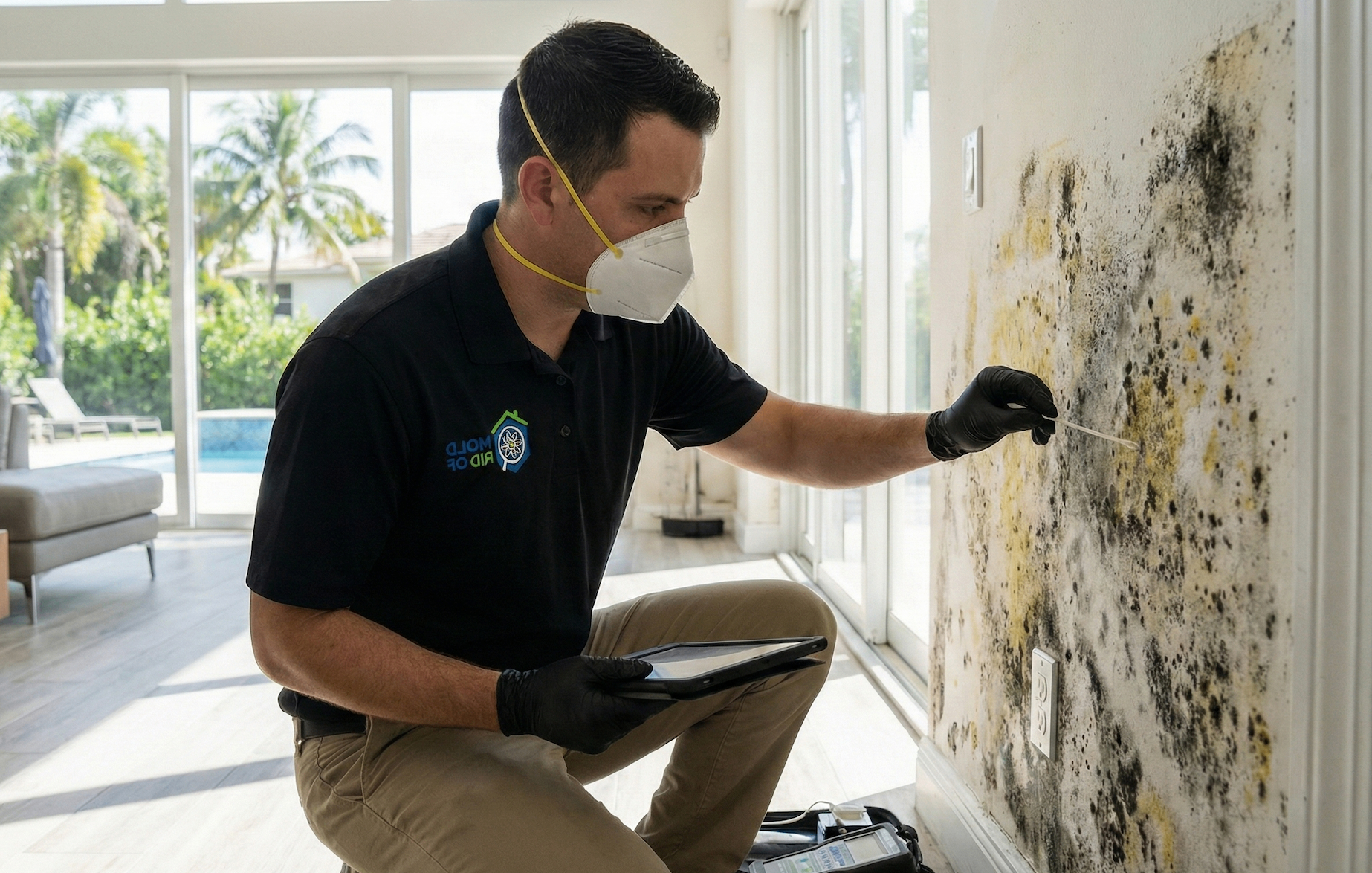
Why Mold Inspections Matter in South Merritt Island
South Merritt Island homes deal with constant moisture pressure:
- High year-round humidity
- Wind-driven rain during storms
- AC condensation and drain issues
- Ground and slab moisture in low areas
Because moisture is common, mold often develops behind walls, under floors, or inside HVAC systems without obvious warning signs. Inspections are designed to find these hidden problems early.
When You Should Schedule a Mold Inspection
A professional inspection is a good idea if:
- You smell a musty odor but don’t see mold
- Mold keeps coming back after cleaning
- You’ve had a roof leak, plumbing leak, or AC issue
- Anyone in the home has ongoing respiratory symptoms
- The home was vacant or lightly occupied
- You’re buying, selling, or refinancing
- You want peace of mind in a humid coastal home
If you’re guessing, an inspection replaces uncertainty with data.
What a Mold Inspection Actually Includes
A proper mold inspection is more than a quick look around.
Moisture Detection
Inspectors use specialized meters to:
- Detect moisture in drywall, ceilings, and flooring
- Identify slab or foundation moisture
- Find damp materials that support mold growth
Moisture is the driver. Finding it is priority one.
Visual Inspection of High-Risk Areas
Inspectors closely evaluate:
- Bathrooms, kitchens, and laundry rooms
- AC closets, drain pans, and ductwork
- Closets on exterior walls
- Garages and shared walls
- Attics or crawlspaces (when accessible)
Subtle staining, bubbling paint, or material changes often matter more than obvious mold.
HVAC and Airflow Review
Because HVAC systems can cause and spread mold, inspectors assess:
- Condensate drains and pans
- Duct insulation condition
- Airflow patterns that trap humidity
Many South Merritt Island mold issues trace back to poor humidity control, not leaks.
Mold Testing (When It Makes Sense)
Testing may include:
- Air samples to compare indoor vs. outdoor mold levels
- Surface samples to identify suspected growth
Testing is useful when mold isn’t visible or when documentation is needed. If mold is clearly present, testing may not change the next step.
Clear Findings and Recommendations
After the inspection, you should receive:
- Identification of moisture sources
- An explanation of whether mold is likely present
- Guidance on cleaning vs. remediation
- Practical prevention steps
The goal is clarity, not alarm.
Mold Inspection vs. Mold Testing (Important Difference)
- Inspection finds moisture, conditions, and likely causes
- Testing measures spores in air or on surfaces
Testing without inspection often misses the real problem. Inspection comes first.
Common Issues Found During Inspections
In South Merritt Island homes, inspections frequently uncover:
- AC condensation leaks inside walls or ceilings
- Closet mold on exterior walls
- Moisture behind baseboards
- Attic condensation and damp insulation
- Slab moisture feeding lower drywall
- Hidden growth behind freshly painted areas
Most of these aren’t visible during normal daily living.
What a Mold Inspection Does Not Mean
A mold inspection does not automatically mean:
- Your home is unsafe
- Remediation is required
- Major demolition is coming
It simply provides accurate information so you can decide what—if anything—needs to be done.
How Mold Inspections Protect Property Owners
A proper inspection can:
- Prevent unnecessary remediation
- Catch small problems before they spread
- Support insurance claims after water damage
- Strengthen negotiations during home sales
- Provide documentation and peace of mind
Early information almost always saves money.
Common Homeowner Mistakes in South Merritt Island
- Ignoring odors because mold isn’t visible
- Repeatedly cleaning the same spot without finding the moisture source
- Painting over stains before inspection
- Turning the AC off for long periods
- Waiting until health symptoms worsen
These mistakes allow mold to grow quietly behind surfaces.
How to Prepare for a Mold Inspection
To get the most value:
- Don’t clean suspected areas beforehand
- Make AC units, closets, and attics accessible
- Note when odors or symptoms occur
- Share any history of leaks or water damage
Context helps inspectors interpret what they find.
What Happens After the Inspection
Depending on the results, you may:
- Do nothing if no issue is found
- Improve humidity control or ventilation
- Perform targeted cleaning
- Schedule professional remediation
- Monitor conditions over time
An inspection guides decisions—it doesn’t force them.
Final Takeaways for South Merritt Island Property Owners
Mold inspections are about certainty in a humid coastal climate.
Key points to remember:
- Mold often hides before it shows
- Moisture is the real cause
- Inspections focus on sources, not just stains
- Testing is a tool, not always required
- Early clarity prevents expensive surprises
If your South Merritt Island home has musty odors, a history of moisture, or unanswered concerns, a professional mold inspection is one of the most practical steps you can take.
