
Mold in Healthcare Facilities in South Merritt Island: What Merritt Island Property Owners Should Know
Why Healthcare Facilities Are High-Risk for Mold
Healthcare buildings face unique challenges that amplify mold risk:
- Constant coastal humidity
- Complex HVAC systems running long hours
- After-hours temperature setbacks that reduce dehumidification
- High water usage (sinks, sterilization, restrooms)
- Sensitive occupants with weakened immune systems
Unlike residential properties, healthcare facilities must maintain consistently high indoor air quality. Small moisture problems that might be tolerable elsewhere are unacceptable here.
How Mold Typically Starts in Medical Buildings
Mold in healthcare facilities usually starts quietly.
Common triggers include:
- HVAC condensation from clogged drains or poor air balance
- Roof or flashing leaks over exam rooms or corridors
- Plumbing leaks behind walls near sinks or restrooms
- High humidity during nights, weekends, or holidays
- Wet materials not fully dried after maintenance or cleaning
By the time odors or staining appear, mold may already be present above ceilings or inside wall cavities.
Common Mold Locations in Healthcare Facilities
In South Merritt Island medical buildings, mold is most often found in:
- Drop ceilings and plenum spaces
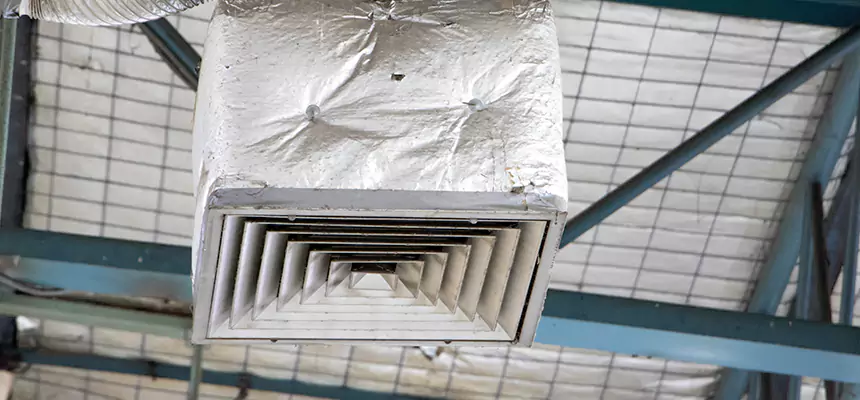
- HVAC air handlers, ducts, and insulation
- Exam rooms along exterior walls
- Waiting areas with limited airflow
- Restrooms and janitorial closets
- Storage rooms for supplies and records
Because airflow connects many areas, mold in one space can affect air quality throughout the facility.
Why HVAC Systems Matter More in Healthcare Settings
HVAC systems are the backbone of infection control—and mold control.
Healthcare-specific HVAC issues include:
- Systems sized for cooling but not adequate dehumidification
- After-hours shutdowns that allow humidity spikes
- Wet duct insulation or drain pan overflows
- Poor air balancing between treatment rooms
If humidity isn’t kept in check, mold can grow even in facilities that look spotless.
Health Risks Are Higher in Medical Environments
Healthcare occupants are often more susceptible to mold exposure.
Potential impacts include:
- Respiratory irritation in patients
- Complications for immunocompromised individuals
- Staff symptoms such as coughing, headaches, or
- Mold in Healthcare Facilities in South Merritt Island: What Merritt Island Property Owners Should Know
Healthcare facilities in South Merritt Island operate under higher standards than almost any other type of property — and for good reason. Clinics, urgent care centers, dental offices, rehabilitation facilities, and specialty medical practices serve vulnerable patients every single day.
Now combine that responsibility with our local reality: constant humidity, coastal air, high water tables, afternoon storms, and AC systems running nearly nonstop.
That’s where mold becomes more than just a cosmetic issue.
Here in South Merritt Island — especially near Sykes Creek, the Banana River, and low-lying waterfront areas — moisture isn’t occasional. It’s persistent. And in healthcare environments, even small moisture problems can quietly grow into larger contamination risks.
Let’s break down what property owners and facility managers should understand.
What Mold in Healthcare Facilities Really Means
Mold in a healthcare setting is not the same as mold in a garage or a residential bathroom.
In medical buildings, indoor air quality is critical. Patients with respiratory conditions, weakened immune systems, post-surgical recovery needs, or chronic illnesses are often more sensitive to environmental contaminants.
Mold doesn’t have to be covering a wall to be a problem.
Sometimes it starts with:
- Minor AC condensation
- A slow plumbing leak under a sink
- Roof flashing compromised after a storm
- Elevated humidity in waiting rooms or exam spaces
In South Merritt Island, we often see mold begin in quiet, hidden areas — especially in slab buildings with limited airflow or older construction near waterfront zones.
The issue isn’t just visible growth. It’s the combination of moisture + organic material + time.
Why Mold Issues Happen So Often in South Merritt Island
If you manage property near the Indian River Lagoon system, you already know: moisture is constant.
Several local factors contribute to mold development in healthcare facilities:
Persistent Coastal Humidity
Even on clear days, indoor humidity can climb above ideal ranges. Without proper dehumidification, that moisture settles into insulation, drywall, ceiling tiles, and ductwork.
High Water Tables
South Merritt Island properties — especially near Sykes Creek and canal-front lots — often sit on land with elevated groundwater levels. Slab foundations can wick moisture upward over time.
Frequent Storms & Heavy Rain
After tropical systems or intense summer downpours, small envelope breaches can allow water intrusion into wall cavities or ceiling systems.
AC Systems Running Constantly
Healthcare facilities rely heavily on air conditioning. But poorly maintained systems can create condensation inside ducts or around air handlers — one of the most common mold sources we see locally.
These aren’t unusual problems. They’re typical Merritt Island conditions.
Common Signs Facility Managers Notice
In healthcare buildings, mold rarely announces itself loudly. Instead, it shows subtle warning signs:
- Persistent musty odors in certain rooms
- Ceiling tiles with discoloration
- Peeling paint near HVAC vents
- Condensation around supply registers
- Elevated indoor humidity readings
- Staff reporting stuffy air in specific areas
Sometimes, maintenance teams assume it’s just “Florida humidity.”
But when those signs linger, they deserve closer inspection.
Hidden Mold Sources in Medical Buildings
The most concerning mold problems in South Merritt Island facilities usually aren’t visible from the hallway.
They’re hidden.
Behind Drywall
Past plumbing repairs under sinks or in restroom walls often leave small moisture pockets.
Above Drop Ceilings
Roof leaks after storms can saturate insulation and ceiling materials.
Under Flooring
Vinyl flooring in exam rooms may trap moisture beneath, especially after minor flooding or cleaning water seepage.
Inside HVAC Systems
Air handlers, drip pans, and duct interiors are common problem zones in medical offices.
Storage Rooms & Utility Closets
Limited airflow + humidity = ideal conditions for growth.
Facilities near Banana River and other waterfront areas tend to see elevated indoor moisture levels year-round, which increases the likelihood of hidden microbial growth.
Why DIY Mold Cleanup Isn’t Appropriate for Healthcare Settings
In residential spaces, some homeowners attempt surface cleaning with bleach.
In healthcare facilities, that approach is not appropriate.
Here’s why:
- Bleach only treats surface discoloration.
- It does not address hidden moisture sources.
- It can spread spores if growth is disturbed improperly.
- It does not solve air system contamination.
More importantly, healthcare facilities have stricter expectations for environmental control.
Simply wiping down visible areas without identifying the root moisture issue allows mold to return — sometimes more aggressively.
What Professional Mold Inspection Looks Like
In South Merritt Island healthcare facilities, inspection needs to be thorough and structured.
A proper evaluation typically includes:
Visual Assessment
Checking walls, ceilings, HVAC areas, and moisture-prone zones.
Moisture Detection
Using meters to identify elevated moisture inside walls or flooring.
HVAC Evaluation
Examining air handlers, duct interiors, and drain pans.
Air or Surface Sampling (When Appropriate)
Collected to better understand whether airborne spore levels are elevated compared to outdoor baselines.
Lab results are explained in simple, practical terms — not overly technical language. The goal is clarity, not confusion.
A professional inspection focuses on identifying:
- The moisture source
- The extent of impact
- Whether remediation is necessary
- How to prevent recurrence
