
Mold in Offices in Brevard County: What Merritt Island Property Owners Should Know
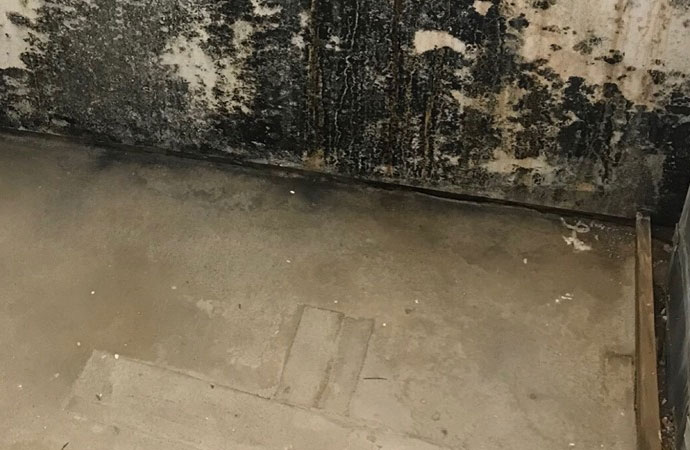
Why Offices in Brevard County Are High-Risk for Mold
Office buildings behave very differently than homes.
Common local risk factors include:
- Year-round humidity
- Large roof areas exposed to wind-driven rain
- HVAC systems that cool well but dehumidify poorly
- After-hours AC shutdowns
- Vacant or lightly used office suites
Because offices rely heavily on mechanical ventilation, small moisture problems spread farther and faster.
How Mold Usually Starts in Office Buildings
Office mold rarely starts with a flood.
More often, it begins with:
- Slow roof or flashing leaks above ceiling tiles
- HVAC condensation from clogged drains or oversized units
- Plumbing leaks in restrooms, breakrooms, or janitorial closets
- Humidity buildup overnight or on weekends
These issues can stay hidden for weeks while mold grows above ceilings or inside walls.
Common Mold Locations in Offices
In Brevard County offices, mold is most often found in:
- Drop ceilings and plenum spaces
- HVAC air handlers, ducts, and insulation
- Behind drywall on exterior walls
- Restrooms and breakrooms
- Storage rooms and file areas
- Ground-floor baseboards and lower walls
If mold is visible in one area, there’s often more hidden nearby.
HVAC Systems: The Biggest Office Mold Multiplier
HVAC systems don’t just hide mold—they move it.
Office-specific HVAC issues include:
- Systems sized for cooling, not moisture removal
- Infrequent after-hours operation
- Wet or deteriorating duct insulation
- Poor air balancing creating damp zones
If HVAC problems aren’t addressed, mold remediation won’t last—and complaints will return.
How Mold Affects Employees and Tenants
Office mold often shows up as patterns, not emergencies.
Common symptoms reported in offices:
- Persistent coughing or throat irritation
- Nasal congestion or sinus pressure
- Headaches or fatigue during the workday
- Symptoms improving outside the building
When multiple people report similar issues, indoor air quality should be investigated immediately.
Why “Quick Cleaning” Is a Bad Idea in Offices
Surface cleaning may seem like a fast solution—but it creates risk.
Why it fails:
- Hidden mold remains above ceilings and in walls
- HVAC continues distributing spores
- No containment allows spread to adjacent spaces
- Symptoms persist, increasing liability
In office settings, incomplete cleanup can actually worsen legal and tenant exposure.
When Professional Mold Removal Is Necessary
Professional remediation is usually required when:
- More than one employee or tenant reports symptoms
- Mold is visible in shared or mechanical areas
- HVAC systems may be contaminated
- Odors persist despite cleaning
- Multiple rooms or suites are involved
Commercial mold removal focuses on containment, air control, and documentation, not just appearance.
Documentation Protects Office Owners
In commercial environments, records matter as much as results.
Proper documentation typically includes:
- Moisture readings and humidity logs
- Photos of affected and unaffected areas
- Defined remediation scope
- Clearance or post-remediation verification
This protects against tenant disputes, workers’ compensation claims, and insurance challenges.
How Mold Impacts Office Operations
Even limited mold issues can cause:
- Reduced productivity
- Increased absenteeism
- Tenant complaints or lease disputes
- Inspection failures
- Costly downtime during remediation
In many cases, business disruption costs more than the remediation itself.
Preventing Mold in Brevard County Offices
Control Humidity Continuously
- Maintain indoor humidity at 30–50%
- Run HVAC systems enough after hours to dehumidify
- Use supplemental dehumidification where needed
Monitor High-Risk Areas
- Inspect above ceilings and HVAC rooms regularly
- Check restrooms and breakrooms for hidden leaks
- Monitor vacant suites more frequently than occupied ones
Respond Immediately to Water
- Treat roof leaks as urgent—even small ones
- Dry wet materials within 24–48 hours
- Don’t close ceilings or walls until moisture is verified dry
Maintain HVAC Systems Proactively
- Keep condensate drains clear
- Replace wet duct insulation
- Balance airflow to prevent damp zones
Insurance and Compliance Considerations
Coverage often depends on:
- Cause of the moisture
- Speed of response
- Quality of documentation
Delayed action or poor records can weaken otherwise valid claims.
Final Takeaways for Brevard County Office Property Owners
Mold in offices rarely stays small—and it rarely fixes itself.
Key points to remember:
- Mold often hides above ceilings and in HVAC systems
- Employee complaints are early warning signs
- Quick cleaning increases liability
- Professional remediation protects operations
- Documentation is essential in commercial spaces
If your office has persistent odors, moisture issues, or employee complaints, early investigation is the smartest move. In Brevard County’s climate, mold doesn’t wait—and the longer it goes unaddressed, the more it costs.
If you want help deciding whether an office issue is localized or building-wide, how HVAC may be contributing, or what steps reduce risk and downtime, just let me know.
