


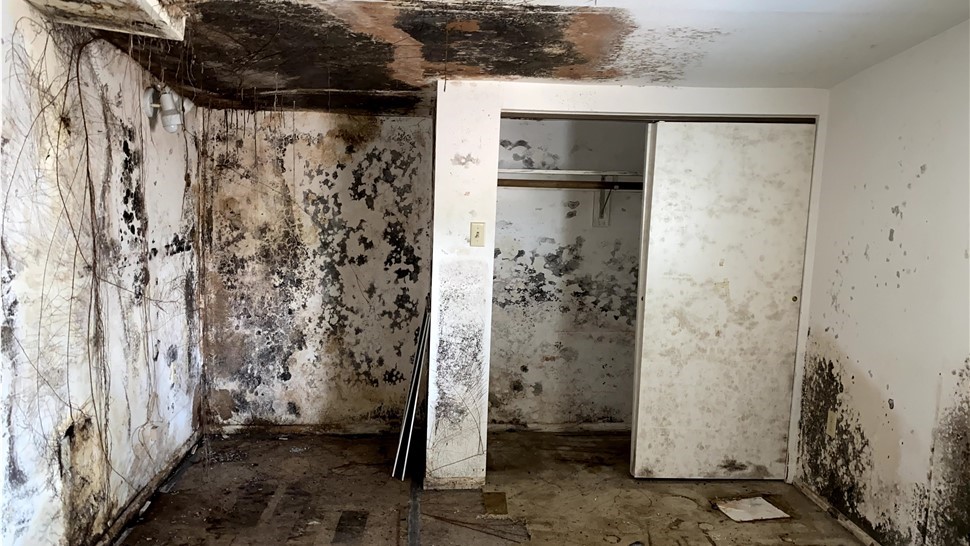
Emergency Mold Services in Brevard County: What Merritt Island Property Owners Should Know
In Brevard County, mold emergencies don’t wait for business hours. A burst pipe at midnight, storm intrusion over a weekend, or an AC drain failure during a heat wave can turn into a mold problem within 24–48 hours. For property owners in Merritt Island, knowing when a situation is truly an emergency—and what emergency mold services actually do—can save thousands in damage and weeks of disruption.
This guide explains what qualifies as a mold emergency, why speed matters, what emergency teams do first, and how to protect your home and health when time is critical.
What Counts as a Mold Emergency?
A mold emergency isn’t just visible growth. It’s any situation where moisture is actively feeding mold or about to.
Common emergency triggers include:
- Flooding or storm water intrusion
- Burst or leaking pipes (even slow leaks that soaked materials)
- AC failures, overflowing drain pans, or wet ducts
- Sewage backups or contaminated water exposure
- Power outages that stop drying and dehumidification
- Strong musty odors appearing suddenly after water damage
If materials have been wet longer than a day—or drying stopped—treat it as urgent.
Why Speed Is Everything in Brevard County
Florida’s heat and humidity accelerate mold growth. In Brevard County:
- Warm temperatures speed biological growth
- Humidity prevents materials from drying on their own
- Repeated storms limit drying windows
That’s why delays turn small water events into full remediation jobs. The first 24 hours are the difference between drying and demolition.
What Emergency Mold Services Do (Right Away)
Emergency response focuses on stopping growth first, not on cosmetics.
1. Stop the Moisture
Teams identify and halt the source:
- Shut off water lines
- Temporary roof tarping or sealing
- Clear AC drain clogs
- Divert standing water
No drying works if water is still entering.
2. Rapid Drying and Dehumidification
Industrial equipment is deployed immediately:
- High-capacity dehumidifiers
- Air movers positioned to dry cavities
- Targeted drying for walls, floors, and contents
AC alone is rarely enough in emergencies.
3. Containment (If Mold Is Suspected)
If mold may already be present:
- Plastic barriers are installed
- Negative air pressure is created
- HEPA air scrubbers capture airborne spores
This prevents spread to clean areas during stabilization.
4. Moisture Mapping and Documentation
Technicians measure:
- Moisture in drywall, wood, and flooring
- Indoor humidity levels
- Affected vs. unaffected areas
Photos and readings are documented—critical for insurance and next steps.
Emergency Drying vs. Emergency Mold Remediation
They’re related but not identical.
- Emergency drying aims to prevent mold after water damage.
- Emergency mold remediation is needed when mold is already present or likely.
Many emergencies start as drying jobs and escalate if materials stayed wet too long.
When to Call Emergency Services (Don’t Wait)
Call immediately if:
- Water soaked walls, floors, or insulation
- The AC failed during hot, humid weather
- You smell mold after a leak or storm
- Power is out and humidity is rising
- Sewage or contaminated water is involved
Waiting for “daylight” or “Monday” often doubles the scope.
Health and Safety During a Mold Emergency
Active moisture and disturbed materials increase exposure.
Watch for:
- Strong musty odors
- Coughing, wheezing, or throat irritation
- Headaches or sinus pressure
Children, older adults, and anyone with asthma or allergies are at higher risk. Containment and HEPA filtration reduce exposure during emergency work.
Insurance Considerations in Emergencies
Timing and documentation matter.
Best practices:
- Call your insurer early
- Photograph damage before and during drying
- Keep records of dates, storms, and outages
- Save invoices and moisture reports
Emergency response that limits damage can strengthen valid claims.
Common Emergency Mistakes Property Owners Make
- Waiting to see if it “dries out”
- Running household fans without dehumidification
- Turning the AC off after a leak
- Removing wet materials without containment
- Painting or bleaching wet surfaces
These often spread spores and lock moisture in place.
What Happens After the Emergency Phase?
Once stabilized:
- Remaining moisture is verified dry
- Hidden damage is assessed
- A plan is set (monitoring, targeted remediation, or rebuild)
- Optional post-drying or post-remediation testing may be recommended
Emergency work buys time—but follow-through prevents recurrence.
How to Prepare Before an Emergency Hits
Preparation reduces panic and cost:
- Know where your main water shutoff is
- Maintain AC drains and pans
- Keep gutters and drainage clear
- Have a dehumidifier ready for outages
- Act immediately on musty odors
In Brevard County, preparedness is part of homeownership.
Final Takeaways for Brevard County Property Owners
Emergency mold services exist to stop small problems from becoming big ones.
Key points to remember:
- Mold can start within 24–48 hours
- Heat and humidity shorten drying windows
- Emergency response focuses on moisture control first
- Containment protects air quality
- Fast action saves money and disruption
If water just hit your home—or drying stopped—don’t wait for visible mold. In Brevard County, the clock starts immediately. If you want help deciding whether your situation is an emergency, what to do in the first hour, or how to protect your claim and your health, just say the word.
