
High Water Table Mold Issues in Indian River: What Merritt Island Property Owners Should Know
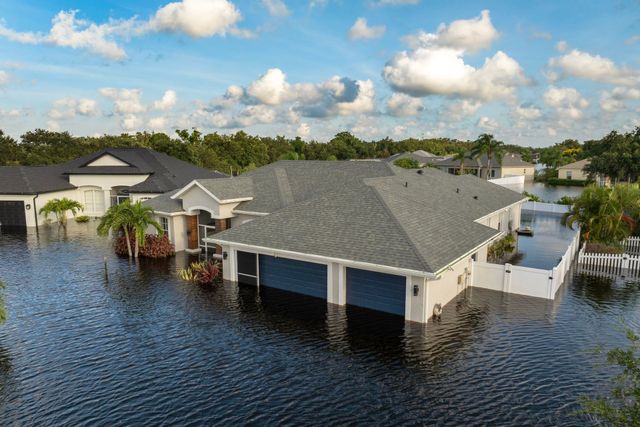
What a High Water Table Really Means for Your Home
A high water table means groundwater rises close to—or even presses against—your home’s slab and foundation walls. After rain, during seasonal tides, or with prolonged humidity, that moisture has nowhere to go.
Instead of obvious flooding, you get:
- Moisture wicking up through concrete
- Elevated humidity at floor level
- Damp drywall and baseboards
- Persistent musty odors with no visible leak
Concrete is not waterproof. It’s porous—and it transmits moisture.
Why Indian River Homes Are Especially Vulnerable
Homes near Indian River face compounding factors:
- Naturally high groundwater
- Frequent rain and storms
- Tidal influence in low-lying areas
- Warm temperatures that speed evaporation indoors
- AC systems that cool air faster than they dehumidify
The result is a steady moisture load that never fully dries.
How High Groundwater Leads to Mold (Step by Step)
- Groundwater rises and presses against the slab/foundation
- Moisture migrates upward through concrete (capillary action)
- Lower walls and floors stay damp longer than they should
- Indoor humidity increases, especially near the floor
- Mold activates on drywall paper, baseboards, insulation, and contents
No leak required. No burst pipe. Just physics.
Where Mold Shows Up First with High Water Tables
These areas are classic indicators:
- Lower drywall and baseboards
- Closets on exterior or slab-adjacent walls
- Bedrooms on ground level
- Cabinets near the floor
- Garages and shared walls
- Behind furniture placed tight to walls
If mold consistently appears low on the wall, groundwater is a prime suspect.
Why Cleaning Doesn’t Fix the Problem
Surface cleaning removes visible growth—but not moisture.
With a high water table:
- Materials continue absorbing moisture from below
- Humidity rebounds quickly after cleaning
- Mold regrows in the same locations
Bleach, paint, and “mold sprays” don’t stop capillary moisture.
Health Clues Linked to Ground Moisture Mold
Because exposure is chronic, symptoms often feel “background”:
- Persistent nasal congestion or sneezing
- Throat irritation or coughing
- Sinus pressure or headaches
- Worsening asthma or allergies
- Symptoms improving when you leave the house
These often coincide with musty odors that never fully go away.
What Actually Helps with High Water Table Mold
Control Moisture at the Source
- Improve exterior drainage and grading
- Ensure downspouts discharge well away from the slab
- Keep gutters clean and flowing
- Address standing water around the foundation
Reduce Moisture Entry
- Seal foundation penetrations where appropriate
- Use vapor-permeable coatings designed for masonry (not standard paint)
- Avoid trapping moisture inside walls with impermeable finishes
Manage Indoor Humidity Aggressively
- Keep indoor RH between 30–50%
- Don’t shut the AC off for long periods
- Use whole-home or targeted dehumidifiers (especially on ground floors)
- Ensure AC drain lines and pans are clear
Address Mold Correctly
If mold has returned more than once, assume some growth is behind the surface. Targeted removal and drying—not repeated wiping—are usually required.
When High Water Table Mold Needs a Professional
Call a professional if:
- Mold keeps returning in the same low areas
- You smell mold but can’t see it
- Baseboards or drywall feel damp or soft
- Flooring shows cupping or loosening
- HVAC systems may be redistributing spores
- Anyone in the home has respiratory symptoms
Professionals can map moisture patterns, confirm groundwater influence, and design controls that match the environment.
Long-Term Reality for Indian River Homes
High groundwater isn’t something you “fix once.” It’s something you manage.
Homes that do best near Indian River:
- Treat humidity control as essential, not optional
- Monitor moisture seasonally
- Act quickly on musty odors
- Avoid cosmetic cover-ups
- Invest in drainage and dehumidification early
That approach prevents small moisture issues from becoming full remediation jobs.
Final Takeaways for Indian River Property Owners
High water table mold is common—and misunderstood.
Key points to remember:
- Groundwater can cause mold without leaks
- Low-wall growth is a major clue
- Cleaning alone won’t stop recurrence
- Humidity control is critical year-round
- Proper moisture management protects health and value
If your home near Indian River smells musty, shows recurring mold near the floor, or never quite feels dry, the problem may be under your feet—not over your head. Addressing it the right way saves money, improves air quality, and ends the cycle.
If you want help determining whether groundwater is affecting your home, where moisture is entering, or which controls make sense for your layout, just let me know.
