
How Fast Mold Grows in Florida in Indian River: What Merritt Island Property Owners Should Know
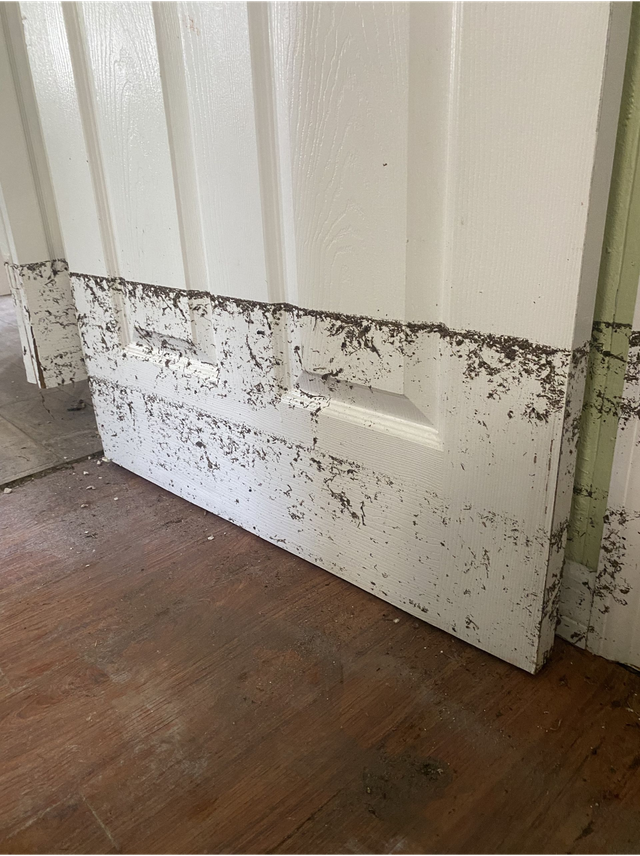
The Short Answer: Mold Can Start Growing in 24–48 Hours
This surprises people every time, but it’s true.
In Florida conditions, mold can begin growing:
- Within 24–48 hours after moisture appears
- Sometimes even sooner in warm, enclosed spaces
That doesn’t mean you’ll see mold that fast—but growth can already be underway behind walls, under floors, or inside insulation. By the time visible spots appear, mold usually has a head start.
Why Mold Grows Faster in Indian River Homes
Location matters—a lot.
Homes near the Indian River deal with:
- High humidity day and night
- Warm temperatures year-round
- Slower evaporation rates
- Heavy AC use creating condensation
In drier climates, materials might dry before mold gets comfortable. In Merritt Island, moisture often hangs around long enough for mold to settle in without any dramatic water event.
Mold Doesn’t Need Flooding to Grow
A common misconception is that mold only grows after major water damage. Not true here.
Mold grows fast after:
- Small plumbing leaks
- AC condensation issues
- Minor roof leaks
- Storm-driven humidity
- Wet insulation or drywall
In Indian River homes, condensation and humidity cause just as many mold problems as actual leaks.
What Happens in the First Few Days After Moisture Appears
Understanding the timeline helps explain why mold feels so sneaky.
First 24 Hours
Materials absorb moisture. Drywall, wood, insulation, and flooring start holding water internally—even if surfaces look dry.
24–48 Hours
Mold spores already present in the air begin colonizing damp areas. Growth starts where airflow is limited.
3–7 Days
Mold spreads within materials. Odors may appear. Visible growth may start showing in some areas.
1–2 Weeks
Mold becomes established. Cleaning the surface no longer fixes the problem because growth exists deeper inside materials.
By the time most homeowners notice something, mold is often well past the early stage.
Hidden Areas Grow Mold the Fastest
Mold grows fastest where moisture stays trapped.
In Indian River homes, that includes:
- Behind drywall
- Under flooring
- Inside closets
- In attics
- Around HVAC components
These areas don’t dry quickly, especially in Florida humidity. That’s why mold often shows up away from where the original moisture event occurred.
AC Condensation Accelerates Mold Growth
Air conditioning plays a huge role in mold speed here.
AC systems create moisture constantly. When:
- Drain lines clog
- Drain pans overflow
- Ductwork sweats
- Humidity stays high
…mold gets a steady, reliable water source. That’s why mold growth can continue even after a leak is fixed—condensation keeps feeding it.
Why You Often Smell Mold Before You See It
Because mold grows fast in hidden spaces, odors often come first.
Musty smells usually mean:
- Mold is already active
- Growth exists behind surfaces
- Moisture hasn’t fully dried
If you smell mold in an Indian River home, chances are it’s been growing longer than you think.
Why Florida Summers Speed Everything Up
Summer puts mold growth on fast-forward.
During Florida summers:
- Humidity stays elevated around the clock
- Drying times slow dramatically
- AC systems run nonstop
- Condensation increases
That’s why mold growth feels sudden this time of year. Conditions allow it to move from “starting” to “established” very quickly.
Why Waiting Even a Few Days Can Matter
This is where timing becomes critical.
Delays allow:
- Mold to spread beyond the wet area
- Materials to absorb moisture deeply
- Spores to circulate through airflow
Once mold establishes itself, solutions become more involved. Early action keeps problems smaller and easier to manage.
Why Cleaning Right Away Doesn’t Always Stop Growth
Quick cleanup helps—but it’s not foolproof.
Cleaning fails when:
- Moisture remains inside materials
- Humidity stays high
- Hidden areas stay damp
Mold doesn’t care how clean the surface looks. It only cares whether moisture is still available.
How Professionals Look at Mold Growth Speed
When evaluating mold, professionals don’t ask “How bad does it look?” They ask:
- How long moisture was present
- Where it traveled
- How quickly drying occurred
In Indian River homes, even short moisture events can create conditions for rapid growth because drying rarely happens fast enough on its own.
How to Slow Mold Growth in Florida Homes
You can’t control the climate—but you can control conditions inside the home.
Helpful steps include:
- Drying wet areas immediately
- Keeping indoor humidity below 60%
- Addressing condensation issues
- Maintaining HVAC drainage
- Investigating musty odors early
Speed matters. The faster moisture leaves, the less time mold has to grow.
Why Local Experience Matters in Indian River
Mold growth timelines in Florida don’t match national averages. Indian River homes deal with humidity, warmth, and slow drying that accelerate mold far beyond what people expect.
That’s why Mold and Duct Cleaning Experts help Merritt Island property owners evaluate mold growth based on local conditions, not generic timelines.
Final Thoughts
So how fast does mold grow in Florida near the Indian River? Faster than most people realize—and fast enough that waiting “a few days” can make a real difference.
In Merritt Island homes, mold doesn’t wait for permission. It waits for moisture. Catch it early, dry things thoroughly, and you stay in control. Ignore the clock, and mold happily takes over the schedule.
