
How Mold Spreads Indoors in North Merritt Island: What Merritt Island Property Owners Should Know
One of the biggest myths I hear from Merritt Island property owners is, “The mold is only in one spot, so it’s contained.” I wish that were true. In North Merritt Island homes, mold rarely stays put. It spreads quietly, gradually, and usually without leaving obvious clues—until it’s already made itself comfortable in more than one place.
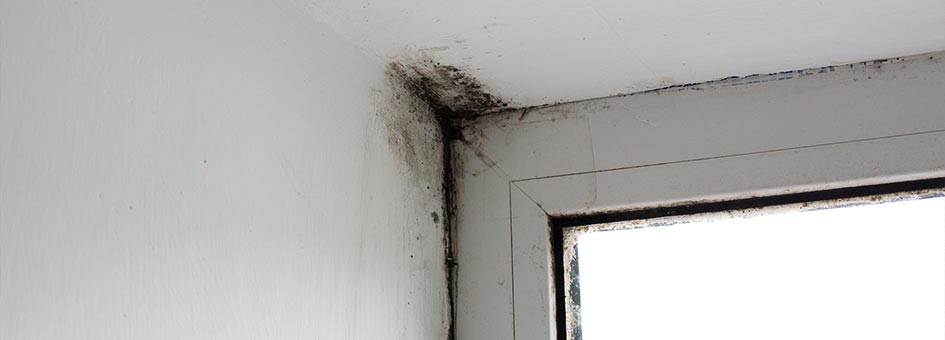
Mold Spreads Through the Air First (Not the Walls)
Mold spreads primarily through microscopic spores. You can’t see them, smell them immediately, or feel them moving—but they travel constantly.
Inside a home, spores spread through:
- Normal air movement
- HVAC systems
- Opening and closing doors
- Walking through affected areas
- Fans and air pressure changes
Once spores land on a damp surface, they grow. That’s all mold needs—airborne spores plus moisture.
Why North Merritt Island Homes Make Spreading Easier
North Merritt Island homes face conditions mold loves.
Key factors include:
- High year-round humidity
- Heavy reliance on air conditioning
- Slab foundations that retain moisture
- Limited natural ventilation
- Enclosed interior spaces
Even when one area has a moisture problem, spores don’t stay confined to that room. They ride the airflow.
HVAC Systems Are the Fastest Mold Highways
If mold gets anywhere near the HVAC system, spreading speeds up dramatically.
Mold often spreads when:
- Growth exists near return vents
- Mold develops around air handlers
- Condensation affects duct insulation
- Drain pans overflow or stay damp
Once spores enter the system, they can circulate throughout the home in minutes. That’s why mold issues often show up in multiple rooms that don’t seem connected.
Moisture Is What Decides Where Mold Lands
Spores are everywhere. Moisture decides where they grow.
In North Merritt Island homes, moisture commonly builds up in:
- Closets and storage rooms
- Bathrooms and laundry rooms
- Attics
- Under sinks
- Behind walls
- Around windows and exterior walls
Mold spreads freely—but it only grows where moisture sticks around long enough.
How Everyday Activity Helps Mold Travel
This part surprises a lot of homeowners.
Normal actions that help mold spread include:
- Vacuuming contaminated areas
- Sweeping or dry dusting
- Running fans near mold
- Moving items from moldy rooms
- Cleaning without containment
Once spores get disturbed, they move easily into other parts of the house—especially when humidity stays high.
Hidden Mold Spreads Before You Ever See It
Visible mold is usually the end of the story, not the beginning.
Hidden mold spreads through:
- Wall cavities
- Shared framing
- Insulation
- Ceiling spaces
- Floor systems
That’s why people often clean one area successfully… then discover mold somewhere else weeks later. The spread already happened.
Why Mold Often Appears in Patterns
Ever notice mold keeps showing up in the same types of spaces?
That’s not coincidence.
Mold spreads until it finds:
- Poor airflow
- Consistent humidity
- Cooler surfaces
- Dark, enclosed areas
That’s why closets, bedrooms, and shared walls often develop mold after the original problem area gets “cleaned.”
Why DIY Cleanup Can Make Spreading Worse
DIY cleanup feels productive—but it often accelerates spread.
Common DIY mistakes include:
- Scrubbing without containment
- Using fans to “dry it out”
- Vacuuming without HEPA filtration
- Removing materials improperly
Instead of stopping mold, these actions release spores into the air and help them settle elsewhere.
How Spreading Affects Indoor Air Quality
Once mold spreads beyond one location, indoor air quality usually changes.
Signs include:
- Musty smells in multiple rooms
- Odors that move when the AC runs
- Air that feels heavy or stale
- Comfort differences between rooms
At this point, mold isn’t just a surface issue—it’s an airflow and moisture issue.
How Professionals Stop Mold From Spreading Further
Stopping spread isn’t about killing mold—it’s about controlling movement and moisture.
Professional approaches focus on:
- Identifying moisture sources
- Using containment when removing mold
- Preventing spore migration
- Addressing airflow patterns
- Drying materials completely
This approach keeps mold from relocating while the problem gets addressed.
When Mold Spread Is Likely Already Happening
You should assume mold may be spreading if:
- Mold appears in more than one room
- Odors exist without visible growth
- Mold returns after cleaning
- Multiple family members notice symptoms
- Issues worsen during humid months
These patterns usually mean spores have already moved beyond the original site.
Why Local Experience Matters in North Merritt Island
Mold spreads differently in Florida than in dry climates. North Merritt Island homes deal with constant humidity, slow drying times, and AC-driven airflow that changes how spores move indoors.
That’s why Mold and Duct Cleaning Experts help Merritt Island property owners focus on containment, moisture control, and airflow—not just surface cleanup.
Final Thoughts
Mold doesn’t spread because a house is dirty or neglected. It spreads because moisture and airflow allow it to. In North Merritt Island, those conditions exist almost year-round, which makes early action critical.
